
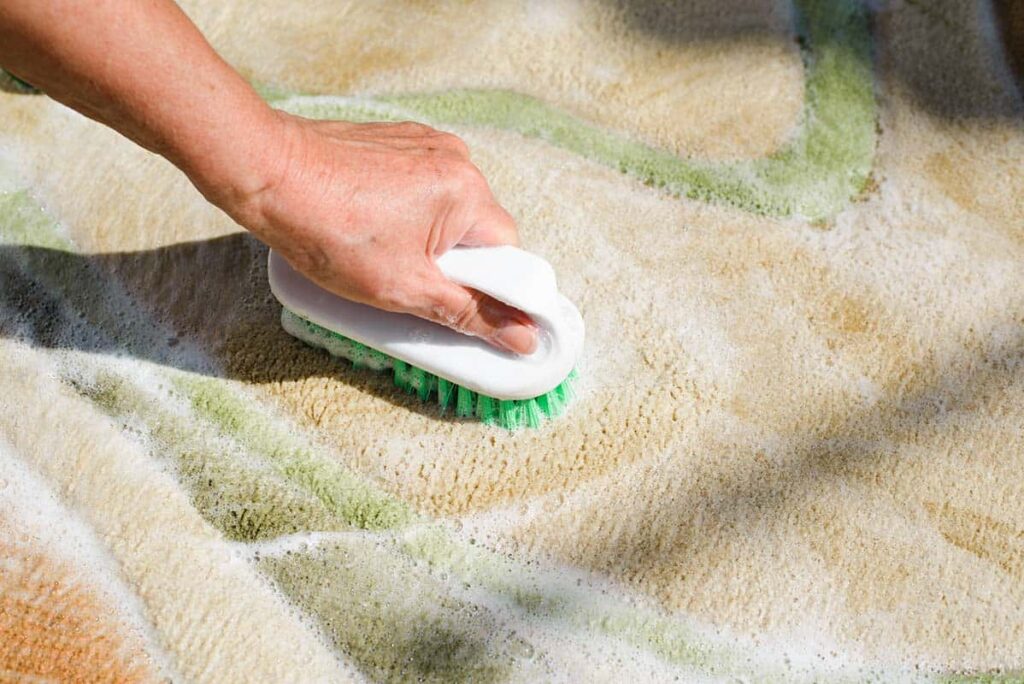
When it comes to decorating your home, one of the most important decisions you’ll make is whether or not to install a beautiful carpet. But with great beauty comes great responsibility – carpets can quickly become stained and dirty, making them a source of stress and anxiety for many homeowners.
But fear not! With the right techniques and tools, you can keep your carpet looking its best without breaking the bank. In this article, we’ll explore some of the most effective ways to clean your carpet, from simple methods using household items to more specialized techniques.
Understanding Your Carpet
Before we dive into the nitty-gritty of carpet cleaning, it’s essential to understand what type of carpet you have and how best to care for it. Some carpets can be machine washed or dry cleaned, while others require more delicate approaches.
If your carpet is made of synthetic fibers like nylon or polyester, it’s generally safe to use a vacuum cleaner with a rotating brush to remove dirt and debris. However, if your carpet is made of natural fibers like wool or silk, you may need to take more gentle steps to avoid damaging the fibers.
Preventing Stains
The best way to clean your carpet is to prevent stains from forming in the first place. Here are a few tips to help you keep your carpet looking its best:
- Regularly vacuum your carpet using a rotating brush attachment to remove dirt and debris.
- Use a spot cleaner or a damp mop to clean spills and stains as soon as they happen.
- Place mats at entryways and high-traffic areas to catch dirt and debris before it reaches your carpet.
Natural Methods for Cleaning Your Carpet
While some people swear by harsh chemicals, there are many natural methods that can be just as effective in cleaning your carpet. Here are a few of our favorites:
Using Steam
Steam is a great way to clean your carpet without using any harsh chemicals. You can use a steam cleaner or simply boil water and pour it over the stained area.
- Mix equal parts water and white vinegar in a spray bottle.
- Spray the solution onto the stain and let it sit for about 10 minutes.
- Use a clean cloth or sponge to blot the stain and remove excess moisture.
Using Baking Soda
Baking soda is a natural cleaner that can be used to absorb odors and stains on your carpet. Here’s how to use it:
- Sprinkle baking soda liberally over the stained area.
- Let it sit for about an hour before vacuuming up the powder.
- Repeat as needed until the stain is gone.
Using White Vinegar
White vinegar is a natural disinfectant that can be used to clean and deodorize your carpet. Here’s how:
- Mix equal parts water and white vinegar in a spray bottle.
- Spray the solution onto the stained area and let it sit for about 10 minutes.
- Use a clean cloth or sponge to blot the stain and remove excess moisture.
Using Hydrogen Peroxide
Hydrogen peroxide is another natural cleaner that can be used to clean and whiten your carpet. Here’s how:
- Mix equal parts water and hydrogen peroxide in a spray bottle.
- Spray the solution onto the stained area and let it sit for about 10 minutes.
- Use a clean cloth or sponge to blot the stain and remove excess moisture.
Specialized Cleaning Methods
While natural methods can be effective, there are some situations where specialized cleaning methods may be necessary. Here are a few examples:
Using an Upholstery Cleaner
If you have a particularly stubborn stain on your carpet, you may need to use a specialized upholstery cleaner. These products are designed specifically for cleaning carpets and come in a range of formulas.
- Follow the instructions on the label carefully.
- Test a small area first to make sure the product won’t damage your carpet.
Using a Carpet Dye
If your carpet has faded or discolored over time, you may need to use a specialized carpet dye. These products are designed specifically for restoring color and vibrancy to your carpet.
- Follow the instructions on the label carefully.
- Test a small area first to make sure the product won’t damage your carpet.
Frequently Asked Questions
Here are some frequently asked questions about cleaning your carpet:
Q: How often should I clean my carpet?
A: It’s generally recommended to vacuum your carpet at least once a week, and spot clean stains as soon as they happen. Depending on the type of carpet you have and how much foot traffic it receives, you may need to clean it more frequently.
Q: Can I use harsh chemicals to clean my carpet?
A: No! Harsh chemicals can damage your carpet’s fibers or discolor them, leading to costly repairs. Instead, stick with natural methods like steam cleaning, baking soda, and white vinegar.
Q: How do I remove stubborn stains from my carpet?
A: For particularly stubborn stains, you may need to use a specialized upholstery cleaner or carpet dye. Follow the instructions on the label carefully, and test a small area first to make sure the product won’t damage your carpet.
Additional Tips for Cleaning Your Carpet
Here are some additional tips to help you keep your carpet looking its best:
- Rotate your furniture regularly to prevent uneven wear and tear.
- Use felt pads on the legs of heavy furniture to prevent scratching and scuffing.
- Consider using a dehumidifier or air purifier to reduce moisture and odors in your home.
The Benefits of Natural Cleaning
There are many benefits to using natural cleaning methods for your carpet. Here are just a few:
- Environmentally friendly: Many natural cleaning products are biodegradable and non-toxic, making them a great choice for environmentally conscious homeowners.
- Cost-effective: Natural cleaning methods can be just as effective as harsh chemicals, but they’re often less expensive to purchase and use.
- Healthier indoor air: Natural cleaning methods can help reduce the amount of toxins and pollutants in your home, creating a healthier indoor environment.
Common Mistakes to Avoid When Cleaning Your Carpet
Here are some common mistakes to avoid when cleaning your carpet:
- Using too much water: Excessive moisture can lead to mold and mildew growth, making it difficult to clean the stain.
- Using harsh chemicals: Harsh chemicals can damage your carpet’s fibers or discolor them, leading to costly repairs.
- Not testing a small area first: Before using any cleaning product, test a small area of the carpet to make sure it won’t cause any damage.
Conclusion
Cleaning your carpet doesn’t have to be a daunting task! With the right techniques and tools, you can keep your carpet looking its best without breaking the bank. From simple natural methods like steam cleaning and baking soda to specialized cleaning products, there’s something for everyone. So go ahead – give your carpet the TLC it deserves!
FAQs
Q: How often should I clean my carpet?
A: It’s generally recommended to vacuum your carpet at least once a week, and spot clean stains as soon as they happen.
Q: Can I use harsh chemicals to clean my carpet?
A: No! Harsh chemicals can damage your carpet’s fibers or discolor them, leading to costly repairs. Instead, stick with natural methods like steam cleaning, baking soda, and white vinegar.
Q: How do I remove stubborn stains from my carpet?
A: For particularly stubborn stains, you may need to use a specialized upholstery cleaner or carpet dye. Follow the instructions on the label carefully, and test a small area first to make sure the product won’t damage your carpet.
Q: What type of carpet is best for cleaning?
A: Synthetic fibers like nylon and polyester are generally easier to clean than natural fibers like wool and silk. However, it’s always best to consult with a professional cleaner or manufacturer’s instructions for specific guidance on caring for your carpet.
Q: Can I use steam cleaners on all types of carpets?
A: No! Steam cleaners can be too harsh for some types of carpets, so it’s essential to check the manufacturer’s recommendations before using one.


