
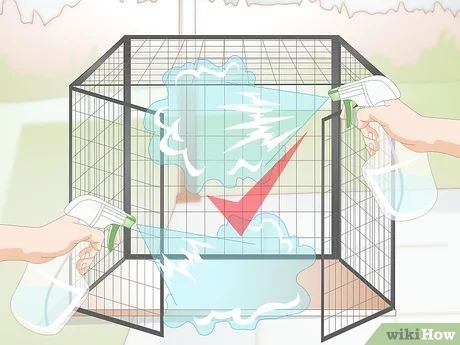
As a responsible bird owner, it’s essential to regularly clean your birdcage and its accessories to maintain a healthy environment for your feathered friends. Not only does cleaning help prevent the spread of diseases, but it also ensures the birds’ physical and mental well-being. In this article, we’ll delve into the process of cleaning your birdcage and its various components, providing you with valuable insights and expert tips to keep your birds happy and healthy.
Understanding the Importance of Cleaning
Before diving into the cleaning process, let’s discuss why it’s so crucial for bird health. Birds are susceptible to a range of diseases, many of which can be prevented by maintaining a clean environment. Regular cleaning helps remove bacteria, viruses, and other pathogens that can accumulate in the cage, reducing the risk of illness. A dirty cage can lead to respiratory problems, skin infections, and even death.
The Benefits of Regular Cleaning
Regular cleaning has numerous benefits for your feathered friends:
- Prevents Disease: By removing bacteria, viruses, and other pathogens, you can prevent diseases that can spread quickly in a dirty cage.
- Maintains Cleanliness: Regular cleaning ensures the cage remains free from debris, dust, and droppings, which can cause respiratory problems and stress for your birds.
- Promotes Healthy Behavior: A clean cage encourages healthy behavior, such as eating, sleeping, and socializing, which is essential for your birds’ physical and mental well-being.
Cleaning the Cage Floor
The cage floor is often the most challenging part to clean, but it’s essential to tackle this task regularly. Most birdcages have a plastic or metal floor that needs to be removed, cleaned, and reinstalled. Here’s how:
- Remove the floor by unscrewing the screws or clips holding it in place.
- Soak the floor in a mixture of warm water and acid detergent (avoid using harsh chemicals).
- Scrub the floor with a soft-bristled brush or sponge to remove any stubborn stains or debris.
- Rinse thoroughly and dry with a clean towel.
Cleaning the Cage Grills
The cage grills are another critical area that requires regular cleaning. These metal grids can accumulate droppings, dust, and other debris, creating an ideal breeding ground for bacteria and fungi. To clean the cage grills:
- Soak the grill in warm water for 10-15 minutes.
- Use a soft-bristled brush or sponge to scrub away any stubborn stains or debris.
- Rinse thoroughly and dry with a clean towel.
Cleaning Accessories
In addition to the cage floor and grills, other accessories like food dishes, water bottles, and perches require regular cleaning. Here’s how:
- Food dishes: Wash with soap and warm water, and rinse thoroughly. You can also use a vinegar solution (1 part white vinegar to 2 parts water) to remove stubborn stains.
- Water bottles: Soak in warm water for 10-15 minutes, then scrub with a soft-bristled brush or sponge.
- Perches: Clean perches regularly by soaking them in warm water for 10-15 minutes, then scrubbing with a soft-bristled brush or sponge.
Tips and Tricks
To make cleaning your birdcage easier and more efficient:
- Clean the cage at least once a week to prevent bacterial growth.
- Use a disinfectant spray specifically designed for bird cages (avoid using regular household cleaners).
- Replace any worn-out or damaged accessories promptly.
- Consider using a birdcage cover to reduce dust accumulation.
Common Mistakes to Avoid
To avoid common mistakes and ensure effective cleaning:
- Avoid Over-Cleaning: Cleaning your cage too much can cause stress for your birds. Stick to the recommended schedule.
- Use Safe Cleaning Products: Avoid using harsh chemicals or household cleaners, which can harm your birds. Opt for acid detergents specifically designed for bird cages instead.
- Replace Damaged Accessories: Regularly replace worn-out or damaged accessories to prevent bacterial growth and keep your cage clean.
Conclusion
Cleaning your birdcage is an essential part of maintaining a healthy environment for your feathered friends. By following these steps, tips, and tricks, you can ensure the cage floor, grills, and accessories are clean and hygienic, reducing the risk of disease and promoting overall well-being.
Frequently Asked Questions (FAQs)
Q: How often should I clean my birdcage?
A: Clean your birdcage at least once a week to prevent bacterial growth.
Q: What type of detergent is safe for cleaning bird cages?
A: Use an acid detergent specifically designed for bird cages, or mix equal parts water and white vinegar as a disinfectant solution.
Q: Can I use bleach to clean my birdcage?
A: No, avoid using bleach as it can harm birds. Instead, opt for acid detergents or vinegar-based solutions.
Q: How do I remove stubborn stains from my birdcage floor?
A: Soak the floor in a mixture of warm water and acid detergent for 30 minutes to an hour before scrubbing with a soft-bristled brush or sponge.
Q: Can I use a dishwasher to clean my birdcage accessories?
A: No, avoid using dishwashers as they can cause damage to delicate materials. Instead, wash by hand with mild soap and warm water.
Q: How often should I replace the cage floor and grills?
A: Replace the cage floor every 6-12 months, depending on usage and cleanliness. Clean or replace the grills regularly (at least once a month) to prevent bacterial growth.
Q: Can I use a birdcage cover to reduce dust accumulation?
A: Yes, consider using a birdcage cover to reduce dust accumulation and make cleaning easier.
By following these guidelines and tips, you’ll be well on your way to maintaining a clean and healthy environment for your feathered friends. Happy cleaning!


