
As a cyclist, choosing the right bike size is crucial to ensure comfort, performance, and safety. An incorrect bike size can lead to discomfort, pain, and even injuries. In this article, we will guide you through the process of selecting the perfect bike size for your needs.
Understanding Bike Sizing
Bike sizing is a critical aspect to consider when purchasing a new bicycle. The right bike size can make all the difference in your riding experience. However, with so many options available, it can be overwhelming to choose the correct size.
Why is Bike Size Important?
A poorly fitting bike can lead to several issues:
- Discomfort: A bike that is too small or too large can cause strain on your back, neck, and shoulders.
- Performance: An incorrect bike size can affect your riding style and overall performance.
- Safety: A bike that is not properly fitted to your body can increase the risk of accidents.
Methods for Determining Bike Size
There are two main methods for determining bike size:
- Biomechanical Analysis: This method involves consulting a professional biomechanist or cyclist who can assess your riding style, body shape, and other factors to determine the optimal bike size.
- Self-Assessment: If you prefer to go it alone, there are various tools and formulas available online that can help you estimate your bike size.
Bike Sizing Charts
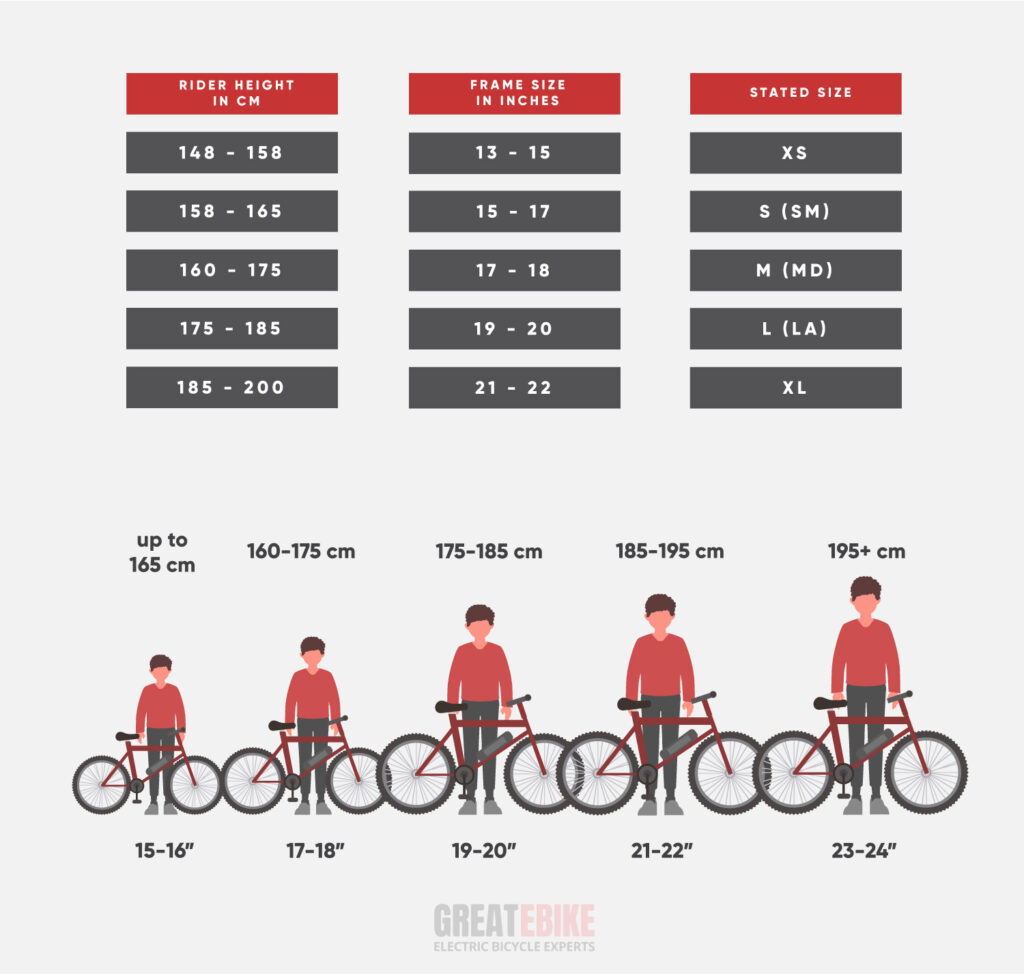
Several manufacturers provide bike sizing charts on their websites or in-store. These charts usually categorize bikes into small, medium, large, extra-large, etc., based on height or inseam measurements. You can use these charts as a starting point to find the right bike size for you.
Using the Height Method
One popular method for determining bike size is based on your height. For example:
- XS (140-150cm): Ideal for riders under 140cm in height.
- S (150-165cm): Suitable for riders between 150-165cm tall.
- M (165-175cm): A good fit for riders between 165-175cm high.
Using the Inseam Method
Another method is based on your inseam measurement, which is the length of your leg from the top of your thigh to the bottom of your ankle. For example:
- 46-48cm: Ideal for riders with an inseam measurement between 46-48cm.
- 50-51cm: Suitable for riders with an inseam measurement between 50-51cm.
Using a Measuring Tool
To ensure accuracy, use a measuring tool to determine your bike size. This can be done by taking your height and inseam measurements, then comparing them to the manufacturer’s sizing charts.
Bike Size Comparison Charts
Here is a comparison chart for different types of bikes:
| Bike Type | Small (XS) | Medium (S) | Large (M) | Extra-Large (XL) |
|---|---|---|---|---|
| Mountain Bike | 38-40cm | 41-44cm | 46-48cm | 52-54cm |
| Road Bike | 46-48cm | 50-51cm | 54-56cm | 58-60cm |
Tips for Choosing the Right Bike Size
- Consider your riding style and preferences when selecting a bike size.
- Don’t be afraid to ask for help from a sales representative or professional mechanic.
- Keep in mind that different manufacturers may have slightly varying sizing charts, so it’s essential to check multiple sources.
Frequently Asked Questions (FAQs)
Q: How do I choose the right bike size for my height?
A: Use the manufacturer’s sizing chart based on your height or inseam measurement. For example, if you’re between 150-165cm tall, look for a medium-sized bike.
Q: What is the difference between XS and S bikes?
A: XS bikes are designed for riders under 140cm in height, while S bikes cater to riders between 150-165cm tall.
Q: Can I use a different method for determining bike size?
A: Yes, some manufacturers offer alternative methods, such as using your inseam measurement or taking a biomechanical analysis. However, these methods may require professional assistance.
Q: How often should I check my bike size?
A: It’s recommended to recheck your bike size every 2-3 years or when you notice significant changes in your body shape or riding style.
Q: What if I’m unsure about choosing the right bike size?
A: Consult with a professional mechanic or sales representative who can provide guidance and assistance.
Additional Considerations
- Rider Position: Make sure to consider your riding position, including the saddle height, handlebar height, and seat angle.
- Wheel Size: Choose a wheel size that matches your bike type and riding style. For example, mountain bikes typically use 26-inch or 29-inch wheels, while road bikes usually have 700c or 27.5-inch wheels.
- Bike Type: Different types of bikes require specific sizes and specifications. For example, mountain bikes need a more upright head tube angle, while road bikes require a more aerodynamic position.
Conclusion
Choosing the right bike size is an essential step in ensuring a comfortable, safe, and enjoyable riding experience. By considering your height, inseam measurement, and other factors, you can find the perfect bike size for your needs. Remember to also consider your rider position, wheel size, and bike type when making your selection. With the right bike size, you’ll be able to ride with confidence and style.
Appendix
- Bike Sizing Charts: Use these charts to estimate your bike size based on your height or inseam measurement.
- Rider Position Guidelines: Follow these guidelines to ensure a comfortable riding position:
- Saddle height: 0.5-1 inch below the leg extension when seated on the saddle.
- Handlebar height: Adjusted so that your elbows are at a 90-degree angle and your hands are in a relaxed position.
- Wheel Size Guide: Use this guide to choose the right wheel size for your bike type:
- Mountain bikes: 26-inch or 29-inch wheels.
- Road bikes: 700c or 27.5-inch wheels.
By following these guidelines and considering your individual needs, you’ll be able to find the perfect bike size and enjoy a comfortable and safe riding experience.


