
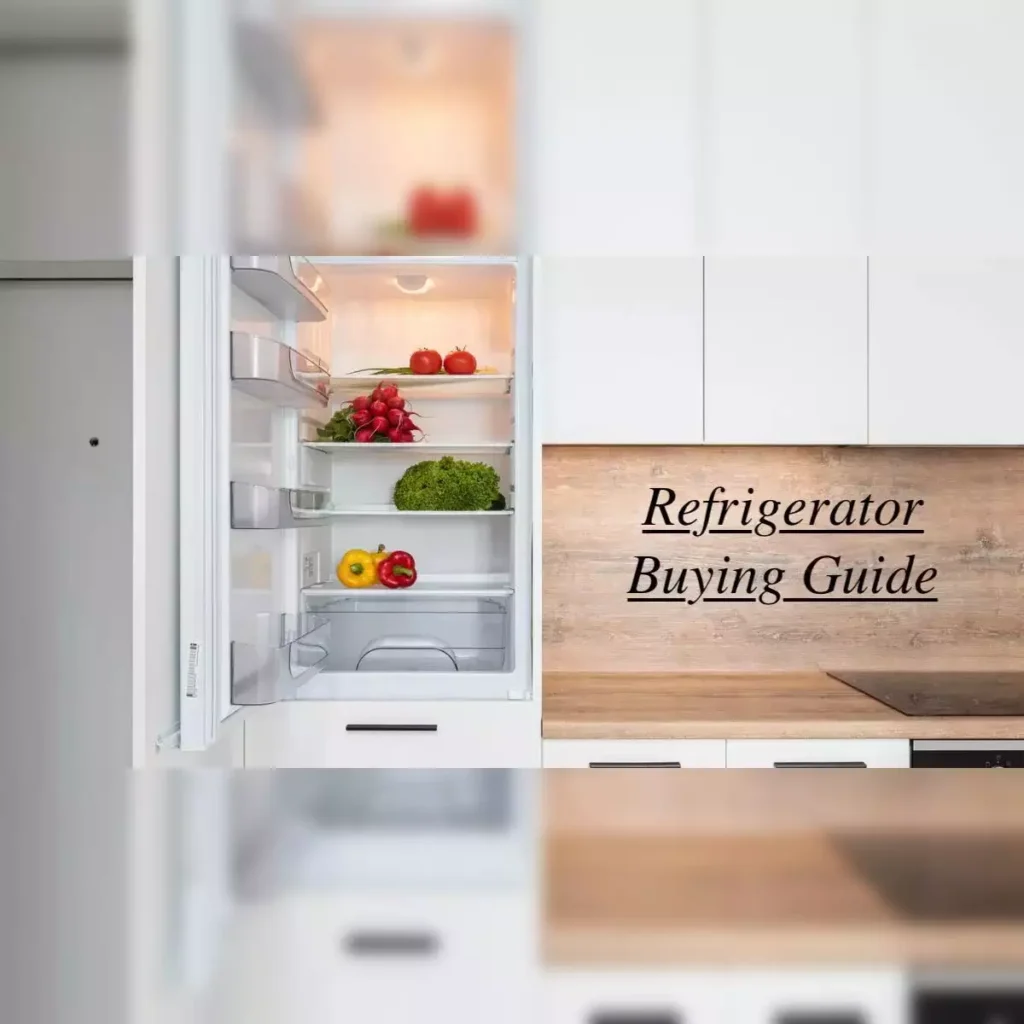
When it comes to selecting a fridge, there are several factors to consider. What do you want to store and for how long? How many people are in your household? And what’s the available space like? Answering these simple questions will help you choose a fridge that meets your needs and stays within your budget.
Before we dive into the details, let’s set some groundwork. If you’re looking for a fridge with a freezer or one that can maintain temperatures as low as 3°C (37°F) for meat and fish, you’ll need to find a model that can provide consistent freezing temperatures throughout the year. Freezing food at home requires a reliable appliance that can keep it frozen, even in extreme temperatures.
So, what should we be looking for in a fridge? For starters, let’s talk about what you want to store and how long. You’ll usually see symbols on fridges indicating which foods are safe to store and for how long. These symbols are as follows:
**** -18°C / Store fresh food with freezing capabilities / Freeze meat and fish / Good quality for up to 1 year.
*** -18°C / No freezing required for fresh food / Can freeze meats and fish / Good quality for up to 1 year.
** -12°C / No freezing required for fresh food / Can freeze meats and fish / Good quality for up to 3 months.
* -6°C / No freezing required for fresh food / Can freeze meats and fish / Good quality for up to 4 weeks.
Now, let’s talk about capacity. This is where the number of people in your household comes into play. Generally, a good rule of thumb is:
1 person: 100-150 liters
2-4 people: 220-280 liters
More than 4 people: 300 liters and above
But remember, these are just rough estimates. The most important thing is to choose a fridge that has enough space for all your groceries, with some room to spare.
Space Considerations
Your kitchen’s size plays a significant role in determining what kind of fridge you can afford. If you have a small kitchen, it may seem like an impossible task to find a spacious fridge. However, don’t give up hope! Even compact fridges can work well for small kitchens if they’re designed thoughtfully and installed wisely.
Here are some options to consider:
- Mono-porta fridges: These fridges have no compartments for low temperatures and are best suited for people who prefer daily groceries. They may come with a freezer compartment, but it’s usually smaller than expected.
- Frigo-congelatori a due porte: These fridges feature separate compartments for the fridge and freezer sections, giving you more flexibility in terms of storage. Some models even have separate motors that allow you to use only one section at a time.
- Fricongelatori con più di due porte: These fridges offer multiple climate settings, allowing you to choose the perfect temperature for different types of food.
Energy Consumption
When shopping for a fridge, it’s essential to consider its energy consumption. All appliances are required by European law to display their ‘consumption class’ or ‘efficiency class’, which indicates how much energy they use. Keep in mind that even a mid-sized fridge (220-280 liters) with a freezer compartment can consume around 450 kWh of electricity per year, whether it’s full or empty.
Two important things to keep in mind:
- The annual consumption increases by about 80-90 kWh for every 100 liters more capacity.
- Every time you open the fridge door is like opening your wallet – it causes a temperature spike and requires additional energy. This means that fridges with separate compartments are usually more energy-efficient.
Choosing the Right Fridge: FAQs
Here are some frequently asked questions about choosing the right fridge for you:
Q: How often should I clean my fridge to maintain optimal performance?
A: Regular cleaning is crucial to maintaining your fridge’s efficiency and longevity. Clean up spills immediately, wipe down shelves regularly, and replace worn-out seals as needed.
Q: What’s the best way to store food in a shared kitchen?
A: Labeling containers and storing food properly can help prevent cross-contamination and reduce waste. Be mindful of expiration dates and plan your meals accordingly.
Q: Can I install a different type of fridge in my home, or is it limited to standard sizes?
A: While most fridges come in standard sizes, some manufacturers offer custom-made options. Be sure to check with the manufacturer before making any modifications.
Q: How can I reduce my energy consumption while using my fridge?
A: Close the door when not in use, use insulated containers for food storage, and avoid overloading your fridge to optimize performance.
Q: What’s the most environmentally friendly way to dispose of an old or broken fridge?
A: Donate working appliances to local charities or recycling centers. Check with your waste management provider to see if they have any special guidelines for disposing of large household items.
Q: Can I use my fridge as a storage space for non-food items, like tools or cleaning supplies?
A: While fridges are designed for food storage, it’s generally not recommended to store non-food items inside. Keep your fridge clean and organized to ensure optimal performance and hygiene.
Q: How do I know if my fridge is leaking or malfunctioning?
A: Check for signs of leaks, such as water droplets on the floor or a musty smell. If you suspect a problem, consult your user manual or contact a professional appliance technician for assistance.
Q: Can I customize my fridge’s features and settings to suit my needs?
A: Yes, many modern fridges come with adjustable temperature settings, humidity controls, and other customizable features. Consult your user manual or manufacturer’s website to explore these options.
Additional Tips for Choosing the Right Fridge
Here are some additional tips to keep in mind when choosing the right fridge:
- Look for energy-efficient models: Choose a fridge that has an energy efficiency rating of A++ or higher.
- Consider the noise level: If you live in an apartment or have limited space, consider a fridge with a low noise level to minimize disruptions.
- Think about the humidity levels: Some fridges come with adjustable humidity settings, which can help keep your food fresh for longer.
- Don’t forget about the ice maker: If you like having access to fresh ice at home, consider a fridge with an automatic ice maker.
- Check the warranty: Look for a manufacturer that offers a comprehensive warranty on their fridges, covering parts and labor for several years.
By considering these factors and tips, you can find the perfect fridge for your needs and budget.


