
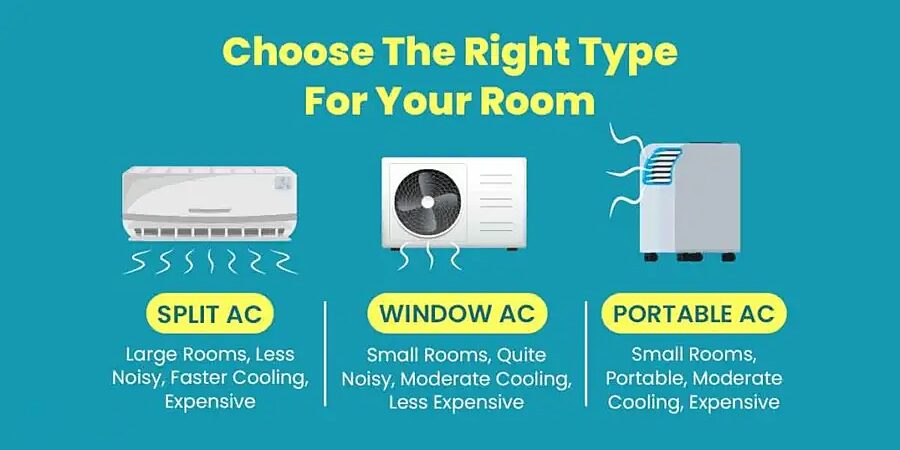
Choosing the Right Power of a Air Conditioner: A Comprehensive Guide
When it comes to choosing an air conditioner for your home, the first step is to determine how much power you need to cool or heat your space. In this article, we will guide you through the process of selecting the right power for your air conditioner, taking into account various factors that can impact its performance and efficiency.
Key Factors to Consider When Choosing an Air Conditioner
Before making a purchase, there are several factors to consider:
- Air Purification Filters: These filters can be associated with the “Purification” function, which removes almost all pollutants, viruses, and bacteria from the air in your home. This feature is especially useful for households with pets.
- Silence Level: If you plan to use the air conditioner in bedrooms or living rooms, look for the quietest models available. Some air conditioners have special sound-dampening features or are designed specifically for indoor use.
- Energy Efficiency: Choose an energy-efficient model (A++ or A+++ classification) as it will not only save you money on your utility bills but also reduce your environmental impact.
- Dehumidification Function: This feature helps maintain a consistent temperature by reducing humidity levels in the air. It’s particularly useful for households with high humidity levels or those who struggle with musty smells.
- Inverter Technology: Inverter technology allows for continuous and autonomous power adjustment, enabling the air conditioner to manage temperatures similarly to thermostats and timers. This feature helps improve energy efficiency and reduce wear on the unit.
- Heat Pump Systems: These systems are perfect for both cooling and heating your home during different seasons. They’re ideal for households without an independent heating system.
Understanding Your Needs
To determine the right power for your air conditioner, you need to assess the size of the space you want to cool or heat. The calculation is straightforward: multiply the square footage of the room by 340 BTU per hour (BTU/h).
For example, if you have a 12 sqm room, you’ll need an air conditioner with at least 4,080 BTU/h.
Factors Affecting Air Conditioner Power Requirements
While the initial calculation provides a good estimate, other factors can significantly impact the actual power requirements:
- Solar Exposure: If your space is heavily exposed to sunlight, you may need a more powerful air conditioner to maintain a comfortable temperature. This is because direct sunlight can increase cooling needs by up to 20%.
- Occupancy and Guest Capacity: The number of people occupying the space will affect the cooling or heating needs. More occupants require a stronger air conditioner.
- Ceiling Height: Higher ceilings can lead to increased energy consumption due to the air conditioner’s ability to circulate cooled air more efficiently.
- Insulation, Windows, and Doors: Proper insulation, window type, and door seals will also influence your space’s energy efficiency and cooling/heating needs.
Calculating Your Air Conditioner Power Needs
While there is no one-size-fits-all solution, using the provided calculation as a starting point, you can refine it to meet your specific requirements.
For instance, if you live in an area with high temperatures during summer or experience cold winters:
- Consider purchasing a more powerful air conditioner for peak usage periods.
- Look into air conditioners with multi-stage compressors or variable-speed fans for improved efficiency.
Consulting a professional to assess your space’s unique conditions is the best way to determine the ideal power requirement for your air conditioner.
Additional Tips and Considerations
Here are some additional tips and considerations when choosing an air conditioner:
- Space Layout: If you have an open-plan living area, consider using multiple air conditioners or a single powerful unit with multiple fan heads.
- Climate Zone: Different climate zones require different cooling/heating needs. Be sure to choose an air conditioner suitable for your region’s specific conditions.
- Room Configuration: If you have large rooms or complex layouts, look for air conditioners with features like smart sensors and advanced navigation systems.
By taking these factors into account, you’ll be able to choose an air conditioner that meets your specific needs and ensures a comfortable temperature in your home.


