
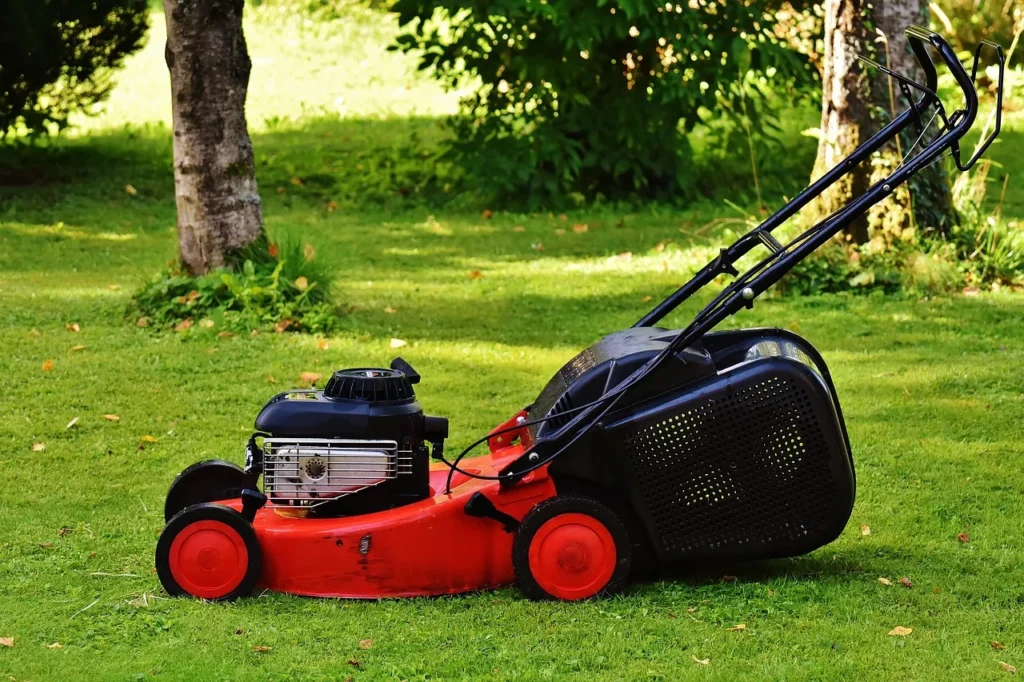
Are you ready to buy a new lawn mower and don’t want to rush into it? Don’t head straight to one store without doing your research! You can save money by shopping around and finding the best deal for your needs.
Before you start looking, it’s essential to understand that choosing the right lawn mower is all about understanding your lawn type. Different types of lawns require different types of mowers. Understanding your lawn type will help you narrow down your options and find a mower that meets your specific needs.
Step 1: Identify Your Lawn Type
When selecting a lawn mower, it’s crucial to identify the type of grass you have. If you’re not sure, consult with a local nursery or gardening expert for guidance. The type of grass will determine which lawn mower is best suited for your needs.
For example, if your lawn is composed of Lolium and Festuca species, a traditional rotating blade lawn mower will do the trick. This type of mower is easy to use and is one of the most popular models among horticultural enthusiasts.
However, if you have a more premium lawn made up of Agrostis and Poa varieties, you’ll need a mower with an elliptical blade. This type of mower is specifically designed for high-maintenance lawns and can help prevent mulching and debris buildup.
Step 2: Consider Your Lawn Size
Before selecting a lawn mower, consider the size of your lawn. If your lawn is small to medium-sized (less than 1/4 acre), a compact rotary mower or electric start mower may be sufficient. However, for larger lawns (over 1/4 acre), you’ll need a more powerful mower that can handle heavy usage.
For large estates with lots of snowfall, consider investing in a zero-turn mower. These mowers are designed to handle heavy snow loads and can make quick work of even the largest lawns.
Step 3: Look for Additional Features
In addition to the type of blade and lawn size, look for additional features that will enhance your mowing experience. Some popular options include:
- Mulching capabilities: If you want to mulch your clippings, look for a mower with a mulching attachment or a mower that can handle both cutting and mulching.
- Adjustable handles for optimal comfort: Look for a mower with adjustable handles that allow you to customize the fit to your body.
- Electric or gasoline-powered engines: Consider an electric mower if you want a quieter and more environmentally friendly option. Gasoline-powered mowers offer more power, but may be noisier and produce emissions.
- Heavy-duty construction for durability: If you live in an area with heavy snowfall or have a large lawn, look for a mower that is designed to withstand harsh weather conditions.
When evaluating a lawn mower, consider what features are most important to you. Make sure the mower you choose meets your specific needs and preferences.
Step 4: Check the Warranty and Maintenance
Before making a final decision, check the warranty and maintenance requirements of the mower. Look for mowers with comprehensive warranties that cover parts and labor for an extended period. Additionally, consider the ease of maintenance and repair, as this can save you time and money in the long run.
- Look for mowers with easy-to-replace blades: If you want to replace your blade regularly, look for a mower with easy-to-remove designs.
- Check the oil and fuel requirements: Make sure you understand the maintenance needs of the mower, including oil changes, filter replacements, and fuel levels.
- Consider the cost of replacement parts: Some mowers may have more expensive or harder-to-find replacement parts.
Conclusion
Choosing the right lawn mower is crucial to maintaining a healthy and well-manicured lawn. By understanding your lawn type, considering your lawn size, looking for additional features, and checking the warranty and maintenance requirements, you can find the perfect mower for your needs. Don’t forget to do your research and compare different models before making a final decision.
Frequently Asked Questions
- What is the best type of blade for my lawn?
The best type of blade depends on the type of grass you have and the desired level of mulching or debris control. Traditional rotating blades are suitable for most lawns, while elliptical blades are better suited for high-maintenance lawns. - How often should I mow my lawn?
Regular mowing is essential to maintain a healthy and well-manicured lawn. However, over-mowing can damage the grass. Aim to mow every 7-10 days during peak growing season, but adjust according to your specific lawn type and climate. - Can I use a mulching mower on a small lawn?
While mulching mowers are designed for larger lawns, they can be used on smaller lawns as well. However, be aware that mulching may not be effective on small lawns with shallow root systems. - What is the difference between a rotating blade and an elliptical blade?
A rotating blade is ideal for most lawn types, while an elliptical blade is better suited for high-maintenance lawns with premium grass varieties. Elliptical blades are designed to prevent mulching and debris buildup, making them ideal for lawns that require more maintenance. - How do I maintain my mower during winter months?
Store your mower in a dry place, cover it with a breathable tarp or plastic sheet, and check the oil and spark plug regularly to ensure it’s ready for next season. Consider storing mowers in a covered shed or garage to protect them from harsh weather conditions. - Can I use a mulching mower on a lawn with snow?
Mulching mowers are not designed for heavy snow loads. If you live in an area with frequent snowfall, consider investing in a zero-turn mower or a heavy-duty rotary mower specifically designed for snow handling. - What is the best way to dispose of grass clippings and debris?
Regularly raking up clippings and debris can help prevent mulching and maintain a clean lawn. Consider composting or bagging clippings to reduce waste and create nutrient-rich fertilizer. - Can I use a self-propelled mower on a small lawn?
Self-propelled mowers are designed for larger lawns, but some compact models are available for smaller lawns. Be aware that these mowers may require more maintenance and fuel than traditional rotary mowers.
Additional Tips
- Consider your climate: If you live in an area with extreme weather conditions (e.g., frequent droughts or heavy snowfall), consider investing in a mower designed to handle these challenges.
- Check local regulations: Some municipalities may have specific regulations regarding lawn mower usage, such as noise restrictions or emissions limits.
- Prioritize your needs: Make a list of the features and requirements that matter most to you, and prioritize accordingly.
- Don’t forget about safety: Always follow safety guidelines when operating a lawn mower, including wearing protective gear and maintaining proper safety precautions.
By following these tips and considering your specific needs, you can find the perfect lawn mower for your outdoor space. Remember to do your research and compare different models before making a final decision.


