
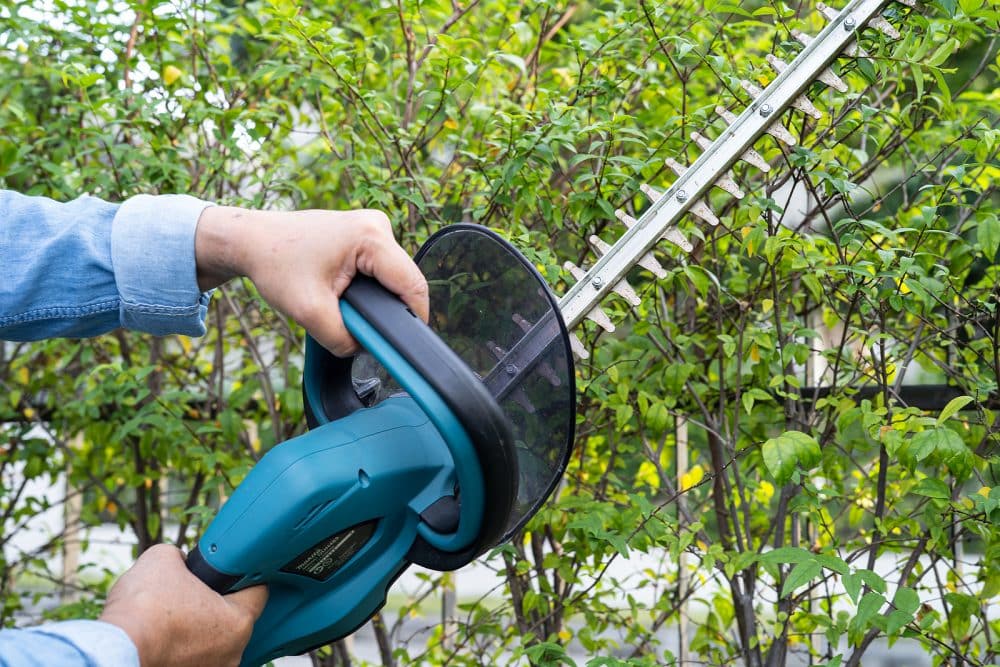
When it comes to selecting a pruning saw, there are several factors to consider. In this article, we will explore the different types of pruning saws, their features, and how to choose the best one for your specific needs.
Pruning Saw Types: Electric, Gas, or Battery-Powered?
Pruning saws can be categorized into three main types: electric, gas-powered, and battery-powered. Each type has its own set of advantages and disadvantages. Let’s break them down:
- Electric Pruning Saws: These are ideal for small to medium-sized pruning tasks. They are lightweight, easy to use, and require minimal maintenance.
- Pros:
- Lightweight
- Easy to maneuver
- Low operating cost
- Cons:
- Limited power
- Requires regular charging or replacement of batteries
- Pros:
- Gas-Powered Pruning Saws: These are suitable for larger pruning tasks or those that require more power. However, they can be heavier and more expensive than electric saws.
- Pros:
- High power output
- Suitable for thick branches
- Can be used for heavy-duty pruning
- Cons:
- Heavyweight
- Expensive
- Requires regular maintenance (e.g., oil changes)
- Pros:
- Battery-Powered Pruning Saws: These offer the convenience of cordless operation and are perfect for small to medium-sized pruning tasks.
- Pros:
- Portable and convenient
- Low operating cost
- Environmentally friendly
- Cons:
- Limited power output
- Requires regular charging or replacement of batteries
- Pros:
Choosing the Right Saw Based on Plant Type
The type of plant you’re pruning is crucial in determining the best saw for the job. Here’s a brief guide:
- Robust Plants (e.g., Arborvitae, Cypress): Use a gas-powered or electric saw with a thicker blade.
- Reasoning:
- Robust plants require more force to cut through
- A thicker blade provides extra support and stability
- Reasoning:
- Thin Branches (e.g., Rosemary, Lavender): Opt for an electric or battery-powered saw with a thinner blade.
- Reasoning:
- Thin branches are lighter and easier to handle
- A thinner blade reduces weight and makes it easier to maneuver
- Reasoning:
- Large Branches (e.g., Oak, Maple): Consider using a gas-powered or electric saw with an adjustable blade length.
- Reasoning:
- Large branches require more power and leverage
- An adjustable blade length allows for customized cutting
- Reasoning:
Pruning Saw Features to Consider
When choosing a pruning saw, consider the following features:
- Blade Length: Choose a saw with a blade length that suits your needs.
- Pros:
- Provides extra support and stability
- Reduces fatigue and strain on the user
- Cons:
- Can be heavy or unwieldy for smaller pruning tasks
- Pros:
- Handle Material: Select a saw with a comfortable handle material (e.g., fiberglass, aluminum).
- Pros:
- Provides improved grip and control
- Reduces fatigue and strain on the user
- Cons:
- May be heavier or more expensive than other materials
- Pros:
- Weight Distribution: Look for a saw with balanced weight distribution for reduced fatigue.
- Reasoning:
- Balanced weight distribution reduces strain on the user
- Improves comfort and performance during extended use
- Reasoning:
Tips and Tricks
Before making a final decision, consider the following tips:
- Test Drive: Try out different saws before buying to ensure comfort and performance.
- Reasoning:
- Allows for hands-on evaluation of the saw
- Reduces the risk of purchasing a saw that doesn’t meet your needs
- Reasoning:
- Maintenance: Regularly maintain your pruning saw to extend its lifespan.
- Reasons:
- Helps prevent wear and tear on the blade and handle
- Improves performance and reduces fatigue over time
- Reasons:
Additional Considerations
In addition to the factors mentioned above, consider the following when choosing a pruning saw:
- Budget: Determine how much you’re willing to spend on a pruning saw.
- Pros:
- Allows for comparison of different options within your budget
- Ensures you stay within financial constraints
- Cons:
- May limit your choices to lower-end or entry-level options
- Pros:
- Skill Level: Consider your level of experience and skill when choosing a pruning saw.
- Pros:
- Allows for selection of an appropriate saw based on skill level
- Ensures you choose a saw that meets your needs
- Cons:
- May limit your choices to more advanced or specialized options
- Pros:
- Storage and Transportation: Consider the storage and transportation requirements when choosing a pruning saw.
- Pros:
- Allows for selection of an appropriate saw based on storage and transportation needs
- Ensures you choose a saw that is convenient and easy to use
- Cons:
- May limit your choices to more compact or portable options
- Pros:
By considering these factors, tips, and tricks, you can find the perfect pruning saw for your specific needs. Remember to test drive different saws before buying and prioritize maintenance to extend its lifespan. With the right pruning saw, you’ll be able to prune with ease and confidence, ensuring the health and beauty of your plants.


