
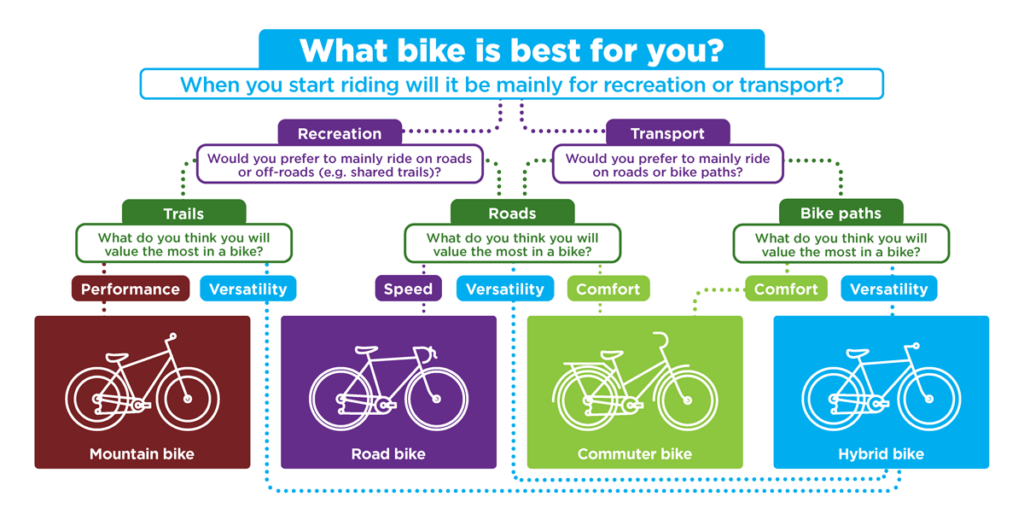
Are you looking for a new bike? With so many options available, it can be overwhelming to choose the right one. In this article, we’ll break down the key factors to consider when selecting a bike, from its intended use to its size and features.
Understanding Your Needs
Before buying a bike, it’s essential to determine how you plan to use it. Different types of bikes are designed for specific purposes, such as commuting, touring, or off-road adventures. Here are some popular bike categories:
- Road Bikes: Designed for speed and efficiency on paved roads.
- Mountain Bikes: Built for rugged terrain, these bikes can handle dirt paths, trails, and obstacles.
- Hybrid/Commuter Bikes: Versatile bikes that combine elements of road and mountain bikes, ideal for commuting and casual rides.
- BMX Bikes: Small, lightweight bikes designed for racing, stunts, and tricks.
Size Matters
Choosing the right size bike is crucial to ensure comfort, efficiency, and safety. Here are some factors to consider:
- Height: Measure your inseam (from the floor to your crotch) and use a bike size chart to determine the ideal frame size.
- Frame Type: Road bikes typically have smaller frames, while mountain bikes have larger ones.
- Wheel Size: 26-inch wheels are common for smaller riders, while 29-inch wheels are often used for larger riders.
Additional Features
Consider these features when choosing a bike:
- Gearing: A wide-range drivetrain can handle various terrain and conditions.
- Brakes: Disc brakes offer improved stopping power, especially in wet conditions.
- Suspension: Mountain bikes often feature suspension forks to absorb shock and improve stability.
Popular Bike Brands
When selecting a bike brand, consider factors like quality, reliability, and customer support. Some popular brands include:
- Bianchi: Known for their high-quality road and mountain bikes.
- Trek: Offers a wide range of bikes, from hybrid commuters to high-end racing bikes.
- Giant: Provides affordable, reliable bikes for various purposes.
Final Tips
When buying a bike, make sure to:
- Test ride the bike to ensure comfort and fit.
- Consider purchasing a used or demo bike to save money.
- Don’t hesitate to ask for advice from knowledgeable sales staff.
By considering these factors, you’ll be well on your way to finding the perfect bike for your needs. Happy cycling!
Frequently Asked Questions
Q: What is the best type of bike for commuting?
A: A hybrid or commuter bike is ideal for daily commutes, as they offer a comfortable ride and practical features like fenders and lights.
Q: How often should I check my bike’s brakes?
A: It’s recommended to inspect your brakes every 1-2 weeks, depending on usage and conditions. Make sure to lubricate the pivot points regularly to ensure smooth operation.
Q: Can I customize a mountain bike for road riding?
A: Yes, you can modify a mountain bike for road riding by swapping out the wheels, tires, and sometimes even the fork. However, keep in mind that some modifications may affect the bike’s warranty or performance.
Q: What is the difference between a dropper post and a standard seatpost?
A: A dropper post allows you to adjust the saddle height on-the-fly, giving you more control over your ride. Standard seatposts are fixed at a specific height.
Q: How do I store my bike during winter months?
A: Clean and dry your bike before storing it. Use a soft cloth or cover to protect the frame and components from dust and moisture. Consider storing your bike in a dry, climate-controlled area or taking it to a professional shop for winterization.
Q: Can I use a road bike on rough terrain?
A: While some road bikes can handle light off-road use, they’re not designed for rugged terrain. If you plan to ride on trails or hills, consider investing in a dedicated mountain bike.
Q: What is the best way to clean my bike’s wheels?
A: Use a soft-bristled brush and mild soap to remove dirt and debris from the rim and spokes. Avoid using harsh chemicals or abrasive materials that can damage the components.
Q: Can I repair my own bike?
A: Yes, many bike repairs can be done at home with basic tools and knowledge. However, complex repairs like wheel builds or frame repairs may require professional assistance.
Additional Considerations
When choosing a bike, consider these additional factors:
- Wheelset: A good wheelset can improve the bike’s performance and durability.
- Crankset: The crankset determines how you pedal and affects the bike’s power output.
- Groupset: The groupset includes components like brakes, derailleurs, and gears. Choose a groupset that suits your riding style and terrain.
- Accessories: Consider adding accessories like a water bottle cage, saddle bag, or helmet to enhance your ride.
Budgeting for Your Bike
When setting a budget, consider the following factors:
- Frame price: The frame is the most expensive component of the bike. Look for frames made from high-quality materials and designs.
- Wheelset price: A good wheelset can cost anywhere from $500 to $2,000 or more.
- Groupset price: Groupsets can range from $300 to $1,000 or more, depending on the quality and brand.
- Accessories price: Accessories can add up quickly, but they’re often a worthwhile investment for comfort and convenience.
Buying New vs. Used
When deciding between buying new and used, consider these factors:
- New bike benefits: A new bike typically comes with a warranty, ensuring that any defects are covered.
- Used bike benefits: Buying used can save you money upfront, but ensure that the bike is well-maintained and in good condition.
- Warranty: If you’re buying used, look for bikes with remaining warranties or consider purchasing from a reputable dealer.
Test Riding Your Bike
When test riding your bike, pay attention to these factors:
- Comfort: Make sure the bike feels comfortable to ride, especially on long distances.
- Handling: The bike should respond well to inputs, such as steering and braking.
- Performance: Consider how the bike performs in different conditions, like uphill climbing or downhill descents.
By considering these factors, you’ll be able to find a bike that meets your needs and provides years of enjoyable riding.


