
Choosing the Right Air Conditioner: A Guide to Making an Informed Decision
As the summer heat approaches, many families are considering purchasing an air conditioner. With so many models available on the market, choosing the right one can be a daunting task, especially when it comes to budget and efficiency. In this article, we’ll explore the key factors to consider when selecting an air conditioner, including energy efficiency, cost, and features.
Understanding the Basics of Air Conditioning
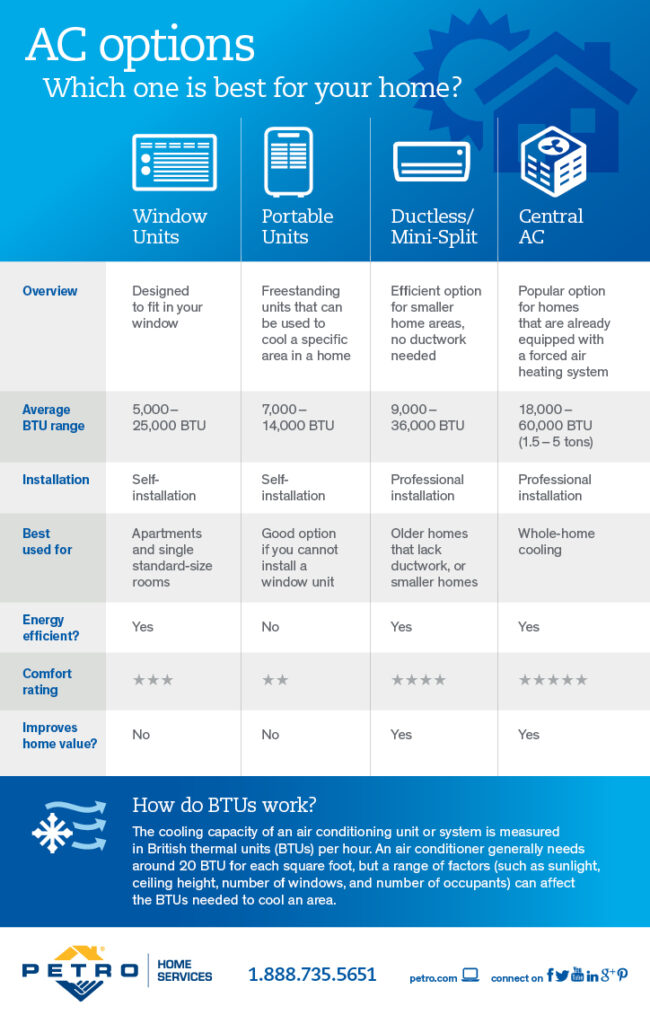
Before we dive into the specifics of air conditioners, let’s take a look at how they work. An air conditioner is a device that removes heat from the air in your home or office, allowing you to maintain a cooler temperature even on hot summer days. There are several types of air conditioners available, including portable, window, and split systems.
Types of Air Conditioners
- Portable Air Conditioners: These air conditioners are self-contained units that can be moved from room to room. They’re often smaller than window air conditioners and require less installation effort.
- Window Air Conditioners: These air conditioners are installed directly into a window, providing a sleek and modern look while also improving ventilation.
- Split Systems: These air conditioners use separate units for the compressor and fan, allowing for more flexibility in terms of installation and customization.
The Importance of Energy Efficiency
When it comes to choosing an air conditioner, energy efficiency is a critical factor to consider. Not only can inefficient air conditioners increase your energy bills, but they also contribute to greenhouse gas emissions that harm the environment. By selecting an energy-efficient air conditioner, you’ll not only save money on your utility bills but also reduce your carbon footprint.
What is Energy Efficiency?
So, what exactly does “energy efficiency” mean when it comes to air conditioners? Simply put, energy efficiency refers to how well an air conditioner can remove heat from the air while minimizing its own energy consumption. One key measure of energy efficiency is the Class Energy Rating (CER) or the Seasonal Energy Efficiency Ratio (SEER). The CER rating indicates the amount of energy required to cool a home over a certain period, while the SEER rating measures how efficiently an air conditioner can remove heat from the air.
Classifying Air Conditioners by Energy Efficiency
When it comes to choosing an air conditioner, there are several factors to consider beyond just cost. One key factor is energy efficiency, which can be classified into several categories:
- Low-efficiency: These air conditioners consume more energy than they produce, resulting in higher utility bills and increased greenhouse gas emissions.
- Moderate-efficiency: These air conditioners strike a balance between energy consumption and heat removal, making them a good option for homes with moderate cooling needs.
- High-efficiency: These air conditioners are designed to remove heat from the air while minimizing their own energy consumption, resulting in lower utility bills and reduced greenhouse gas emissions.
Calculating the Cost of an Air Conditioner
Another important factor to consider when choosing an air conditioner is cost. While it’s true that some air conditioners can be quite expensive, there are ways to calculate the total cost of ownership over time. Here’s how:
- Initial purchase price: The upfront cost of buying an air conditioner.
- Operating costs: The energy consumption and maintenance costs associated with running the air conditioner.
- Replacement costs: The cost of replacing the air conditioner after a certain period of time.
Top Ten Energy-Efficient Air Conditioners
Here are ten energy-efficient air conditioners that have been reviewed and rated based on their performance, features, and overall value:
- LG CPMS25CHV: A compact and efficient air conditioner that can be installed in windows or on walls.
- Samsung AE35DHA8R6A3: A window air conditioner with a high SEER rating and advanced features like Wi-Fi connectivity.
- Whirlpool WAC122AW: A portable air conditioner that’s designed for small spaces and has a low energy consumption.
- Trane CL15XC2: A high-efficiency air conditioner that uses advanced technology to minimize energy consumption while maximizing cooling performance.
- Lennox XC25: A mid-efficiency air conditioner that offers good value for its price, with a moderate SEER rating and affordable installation costs.
- GE GS12GLAS: A budget-friendly air conditioner that still offers impressive cooling performance and energy efficiency.
- Amana 14.5-AH Air Conditioner: A high-efficiency air conditioner that’s designed for larger spaces and has a high SEER rating.
- Carrier TrueSeal Air Conditioner: A mid-efficiency air conditioner with advanced features like smart sensors and Wi-Fi connectivity.
- Rheem 13.5-AH Air Conditioner: A budget-friendly air conditioner that still offers good cooling performance and energy efficiency.
- Maytag MC15XC2: A high-efficiency air conditioner that uses advanced technology to minimize energy consumption while maximizing cooling performance.
Conclusion
Choosing the right air conditioner can be a daunting task, but by understanding the key factors to consider, you’ll be well on your way to making an informed decision. Whether you’re looking for energy efficiency, cost-effectiveness, or advanced features, there’s an air conditioner out there that’s right for you.
Frequently Asked Questions
- What is the difference between a portable air conditioner and a window air conditioner?
A portable air conditioner is designed to be moved from room to room, while a window air conditioner is installed in a fixed location. - How do I calculate the cost of an air conditioner over time?
You can calculate the total cost of ownership by adding up the initial purchase price, operating costs, and replacement costs. - What are some tips for choosing an energy-efficient air conditioner?
Look for models with high SEER ratings, consider factors like installation costs and maintenance requirements, and consult with a professional to ensure you’re making an informed decision.


