
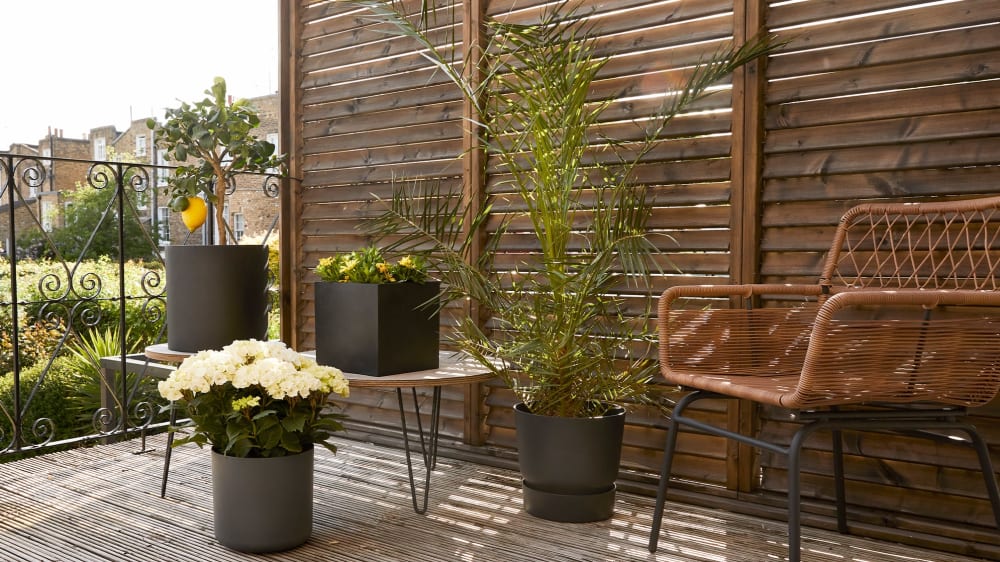
Are you ready to take your balcony to the next level by adding some lush greenery? A well-designed balcony with a beautiful green corner can provide hours of enjoyment in the shade on sunny days and a cozy retreat in the evening. However, many people struggle with selecting the right plants for their outdoor space, especially if they’re new to gardening. In this article, we’ll explore some essential tips to help you choose the perfect plants for your balcony.
Step 1: Assess Your Balcony’s Exposure
Before deciding which plants to put on your balcony, it’s crucial to evaluate its exposure! If your balcony faces north, you’ll want to opt for plants that thrive in shade. While there are a few options that can tolerate little sunlight, the selection is limited. On the other hand, if your balcony receives direct sunlight (south-facing), you’re in luck! Most flowering plants will love the sunshine, and some even prefer partial shade.
But what about east- or west-facing balconies? For these, choose plants that do well in medium light conditions. Be mindful of nearby skyscrapers, as they might block direct sunlight, making it essential to select shade-tolerant options.
Step 2: Consider Your Local Climate
Your local climate plays a significant role in choosing the right plants for your balcony. For example, if you live in an area with extremely cold winters (below 15°F), it’s best to avoid leaving plants outside year-round. Instead, consider moving them indoors during the winter months or opting for hardy species like boxwood that can withstand frost.
On the other hand, if your region experiences mild winters (above -5°F), you can choose a wider variety of plants. Keep in mind that even in milder climates, temperatures can fluctuate significantly between day and night, so choose plants with adaptable growth habits.
Putting it All Together
Now that we’ve covered two essential factors – exposure and climate – it’s time to select the perfect plants for your balcony!
Here are some additional tips to consider:
- Choose low-maintenance plants that fit your lifestyle
- Consider using self-watering planters or automated watering systems to reduce upkeep
- Incorporate a mix of evergreen and deciduous plants to provide year-round interest
By following these steps, you’ll be well on your way to creating a lush, inviting balcony oasis.
Frequently Asked Questions
- What is the best time to plant a new balcony?
- Spring and fall are ideal seasons for planting new balcony plants.
- How often should I water my balcony plants?
- Check the specific watering needs of your plants, but as a general rule, allow soil to dry slightly between waterings.
- Can I grow flowers on my balcony?
- Absolutely! Balconies are perfect for showcasing vibrant, flowering plants like petunias or impatiens.
- What’s the best way to protect my balcony plants from pests?
- Regularly inspect your plants and treat any infestations promptly with insecticidal soap or neem oil.
- How do I propagate new plants from existing ones?
- Research specific propagation methods for each plant species, but common techniques include leaf cuttings, division, and seed starting.
Balcony Planters: A Guide to Choosing the Right One
When it comes to choosing a planter for your balcony, there are several factors to consider. Here are some tips to help you select the perfect one:
- Material: Select planters made from durable materials like ceramic, terracotta, or recycled plastic.
- Size: Choose planters that fit your available space and accommodate the mature size of your plants.
- Drainage: Ensure your planter has proper drainage holes to prevent waterlogged soil.
Some Popular Balcony Plants
Here are some popular balcony plants that thrive in a variety of conditions:
- Succulents: These low-maintenance plants come in a range of shapes and sizes, making them perfect for balconies with limited space.
- Herbs: Choose from a variety of herbs like basil, rosemary, or thyme to add fresh flavors to your cooking.
- Flowers: Petunias, impatiens, and begonias are popular choices for their vibrant colors and ease of care.
Creating a Balanced Ecosystem on Your Balcony
A well-designed balcony can provide a haven for wildlife, supporting the local ecosystem. Consider incorporating native plants and reducing your use of pesticides to promote biodiversity.
Here are some additional tips to create a balanced ecosystem on your balcony:
- Native Plants: Choose plants that are native to your region, as they require less maintenance and support local pollinators.
- Compost: Turn food waste into nutrient-rich compost by adding it to your soil.
- Pest Control: Avoid using chemical pesticides and opt for natural methods like neem oil or insecticidal soap.
Conclusion
Creating a beautiful balcony garden can be a rewarding experience, but selecting the right plants requires careful consideration. By evaluating your balcony’s exposure, climate, and available space, you can choose the perfect plants to create a lush oasis.
With these tips in mind, you’ll be well on your way to creating a stunning balcony garden that brings joy to your outdoor space.


