
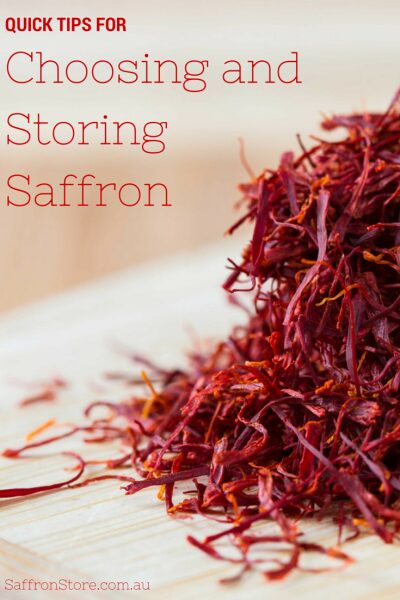
Choosing High-Quality Saffron: A Comprehensive Guide
Saffron is a highly prized spice known for its unique flavor and aroma, which can elevate any dish to new heights. However, with so many options available on the market, it can be challenging to select high-quality saffron that meets your cooking needs.
In this article, we will delve into the key factors to consider when selecting high-quality saffron, including price, weight, color, consistency, and packaging. We will also discuss common pitfalls to avoid and provide tips for ensuring the authenticity of your saffron.
Understanding Saffron
Before we dive into the details, it’s essential to understand what saffron is and how it’s produced. Saffron is derived from the dried stigmas of the saffron crocus flower (Crocus sativus), which are carefully hand-picked and dried to preserve their flavor and aroma.
Price and Weight: A Critical Factor
One of the first things to consider when buying saffron is its price. While high-quality saffron can be expensive, be wary of extremely low prices, as they often indicate lower-quality products.
When evaluating the weight of your saffron, ensure that it meets industry standards. High-quality saffron typically comes in small, tightly packed packets or bags. Avoid products with excessive filler material or an unusual weight.
Color: The Key to Authenticity
The color of your saffron is crucial in determining its quality and authenticity. Look for a deep, vibrant red-orange hue with no white or yellowish undertones. This indicates that the product has been extracted from high-quality stigmas and processed using traditional methods.
Be cautious when purchasing saffron online, as some vendors may use artificial coloring to enhance the appearance of their products. Always opt for reputable suppliers who adhere to strict quality control standards.
Consistency: A Matter of Quality
In addition to color, the consistency of your saffron is vital in ensuring its quality and performance. Look for a smooth, fine texture that dissolves easily in liquid. Avoid products with lumps or visible particles, as these can indicate poor processing methods or adulteration.
Stimmi vs. Saffron: What’s the Difference?
Some vendors may offer “stimmi” saffron, which is essentially saffron in filament form. While stimmi can be convenient for certain cooking applications, it often contains lower-quality ingredients and lacks the full flavor and aroma of high-quality saffron powder.
If you’re looking to use saffron for cooking, we recommend opting for the high-quality saffron powder instead of stimmi. This will ensure that your dishes are infused with the authentic flavor and aroma of saffron.
Authenticity: The Mark of a Reputable Vendor
When selecting saffron, authenticity is paramount. Look for vendors that offer 100% pure saffron products, free from adulterants or fillers. In some countries, including Italy, there are laws in place that regulate the sale of saffron and require vendors to use only high-quality ingredients.
To ensure the authenticity of your saffron, research reputable suppliers and read reviews from other customers. Be wary of extremely low prices or unusual packaging, as these may indicate a lower-quality product.
Tips for Storing Saffron
Proper storage is essential for maintaining the quality and aroma of your saffron. Keep your products in a cool, dark place away from moisture and heat sources. Avoid storing saffron near cooking surfaces or direct sunlight, as this can cause the spice to degrade or lose its flavor.
By following these simple tips, you can help ensure that your saffron remains fresh and flavorful for years to come.
Common Pitfalls to Avoid
There are several common pitfalls to watch out for when buying saffron, including:
- Cheap prices: While high-quality saffron can be expensive, be wary of extremely low prices – they often indicate lower-quality products.
- Unstable color: If the saffron has a pale or washed-out color, it may be a sign that the product has been adulterated or mixed with other spices.
- Lumps and particles: Avoid saffron with lumps or visible particles, as these can indicate poor processing methods or adulteration.
Conclusion
Choosing high-quality saffron requires attention to several key factors, including price, weight, color, consistency, and packaging. By following our tips for selecting the right saffron, you can ensure that your dishes are infused with the full flavor and aroma of this prized spice.
And if you’re looking for authentic saffron products, be sure to check out reputable vendors who adhere to high standards of quality and purity.
Frequently Asked Questions
Q: What is the difference between saffron and stimmi?
A: Saffron is a type of spice made from the dried stigmas of the saffron crocus flower, while stimmi is simply saffron in filament form. While stimmi can be convenient for certain cooking applications, high-quality saffron powder is generally preferred.
Q: How should I store saffron to maintain its quality?
A: To keep your saffron fresh and flavorful, store it in a cool, dark place away from moisture and heat sources.
Q: Can I use saffron substitutes or alternatives?
A: While there are some saffron substitutes available, they often lack the full flavor and aroma of high-quality saffron. If you’re looking for authentic saffron products, we recommend opting for the real thing.


