
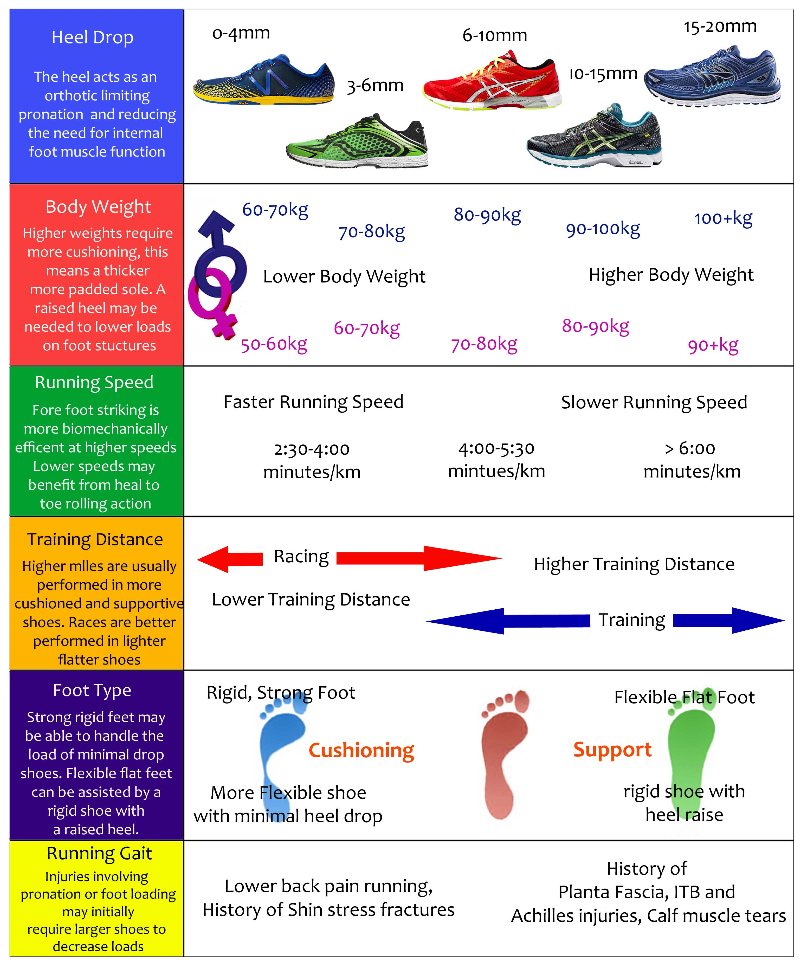
Selecting running shoes is a crucial moment for every runner.
Of course, there’s often confusion for those who haven’t yet found their ideal model as runners tend to stick with the shoes that work well for them.
The fact is, the type of shoe you choose can significantly impact your running style and comfort. Wearing shoes that aren’t suited to your needs can lead to discomfort or even problems.
The market currently offers a vast range of choices, making it challenging to navigate. To begin, we’ll divide shoes into three main categories based on the type of running they’re designed for.
Road Running Shoes
Designed for runners who primarily run on paved roads, these shoes are ideal for running on bike paths, tracks, and occasionally light trails with minimal irregularities. This type of shoe is optimized to absorb impact on relatively smooth surfaces.
Trail Running Shoes
These shoes are specifically designed for off-road running, including hiking and trail running. They feature a more aggressive tread pattern and a sturdy sole that can handle rough terrain, including mud, water, rocks, and other obstacles. The outsole has a pronounced tassel to provide better grip on uneven surfaces.
Cross-Training Shoes
These shoes are designed for running on treadmills or in the gym. They’re suitable for various cross-training disciplines and are great for short bursts of speed. They allow runners to practice different exercises without needing to switch between various types of equipment.
In this article, we’ll focus on road running shoes, which are perfect for outdoor running.
Road Running Shoes: Features to Look For
When choosing a pair of road running shoes, there are several key features to consider:
- Cushioning: Adequate cushioning is essential for absorbing impact and reducing stress on your joints. Look for shoes with responsive midsoles or gel cushions.
- Support: Road running shoes often feature supportive materials such as arch supports, stabilizing elements, or specialized midsoles tailored to address specific foot problems.
- Weight: Lighter shoes can enhance your overall running experience and make long runs more comfortable.
- Traction: Choose a shoe with an outsole that features durable traction patterns, especially if you plan to run on trails or uneven terrain.
How to Select the Right Road Running Shoe
To select the right road running shoe, consider the following steps:
- Determine Your Foot Strike Pattern: Understand your natural foot strike pattern and how it may impact your choice of shoe.
- Assess Your Running Style: Consider your running style, including your pace, stride length, and terrain preferences.
- Choose a Shoe That Meets Your Needs: Based on your foot strike pattern, running style, and terrain preferences, select a shoe that meets your needs.
Road Running Shoes: Brands to Consider
When it comes to road running shoes, there are several brands to consider:
- Nike: Known for their innovative designs and technology, Nike offers a wide range of road running shoes that cater to different running styles and needs.
- Asics: Asics is a popular choice among runners due to its focus on support, cushioning, and traction. Their road running shoes are designed to meet the needs of both beginners and experienced runners.
- Brooks: Brooks offers a range of road running shoes that prioritize comfort, support, and performance. Their Ghost and Launch series are particularly popular among runners.
Testing Road Running Shoes
When trying out new road running shoes, it’s essential to test them thoroughly to ensure they meet your needs. Here are some tips for testing road running shoes:
- Try Them On: Make sure to try on the shoes in the afternoon when your feet are at their largest.
- Go for a Run: Take the shoes out for a run to see how they feel and perform during exercise.
- Pay Attention to Comfort: Pay attention to any discomfort or pain you may experience during the test run.
Common Mistakes to Avoid When Choosing Road Running Shoes
When choosing road running shoes, there are several common mistakes to avoid:
- Not Trying Them On: Failing to try on the shoes can lead to a poor fit and potential discomfort.
- Not Testing Them Thoroughly: Not testing the shoes thoroughly during exercise can lead to unexpected issues or discomfort.
- Choosing a Shoe That’s Too Big or Too Small: Choosing a shoe that’s too big or too small can lead to discomfort, pain, or even injuries.
Tips for Getting the Most Out of Your Road Running Shoes
To get the most out of your road running shoes, follow these tips:
- Replace Them Regularly: Replace your road running shoes regularly to ensure they continue to provide optimal performance and comfort.
- Take Care of Them: Take care of your road running shoes by cleaning them regularly and storing them in a cool, dry place.
- Stretch Them Out: Stretch out your road running shoes after exercise to help maintain flexibility and prevent damage.
In conclusion, choosing the right road running shoe is crucial for comfort, performance, and overall running experience. By understanding your foot strike pattern, running style, and terrain preferences, you can select a shoe that meets your needs.


