
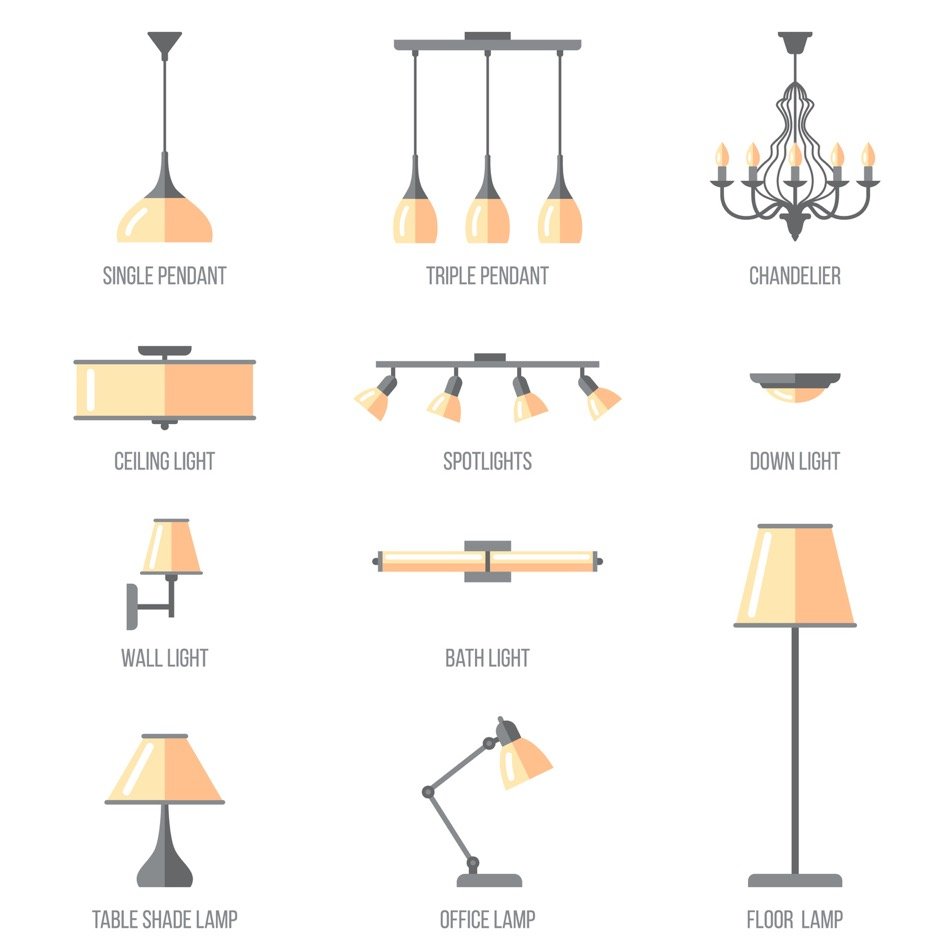
As we navigate our daily lives, it’s easy to overlook the little things that make a big impact – like the lighting in our homes and workplaces. But when it comes to energy efficiency and quality of light, making an informed decision is crucial. In this article, we’ll delve into the world of illuminating bodies, exploring the best options for reducing your carbon footprint while also providing optimal lighting.
The Importance of Energy Efficiency
When choosing an illuminating body, there are two key factors to consider: energy efficiency and quality of light. Both are vital because a more efficient light source can lead to significant cost savings on your electricity bill, while high-quality lighting can greatly impact your comfort and productivity.
But what exactly makes a lamp or light fixture “efficient”? In simple terms, it’s all about how much of the energy used is converted into visible light versus heat. Traditional incandescent bulbs, for example, convert only 5% of the electrical energy they consume into light, with the remaining 95% being lost as heat.
In contrast, modern LED lamps and fluorescent lights are far more efficient, converting up to 50% of their energy into usable light. This not only reduces your electricity bill but also helps minimize your carbon footprint.
The Rise of LEDs
In recent years, LED (Light Emitting Diode) technology has become increasingly popular due to its numerous benefits. These sleek and compact lamps are renowned for their:
- Long lifespan: LEDs can last up to 50,000 hours or more, compared to fluorescent lights which typically have a lifespan of around 10,000 hours.
- Energy efficiency: As mentioned earlier, LEDs convert a significant amount of energy into visible light, making them an attractive option for those looking to reduce their electricity bills.
- Durability: LEDs are resistant to shock, vibration, and extreme temperatures, making them perfect for use in harsh environments.
However, it’s worth noting that not all LED lamps are created equal. Some may have a lower color temperature or reduced lifespan than others. When selecting an LED lamp, look for one with a high color rendering index (CRI) to ensure optimal light quality and minimal eye strain.
The Pros and Cons of Different Lighting Options
| Lighting Type | Pros | Cons |
|---|---|---|
| Incandescent bulbs | Affordable upfront cost | Low energy efficiency, relatively short lifespan |
| Fluorescent lights | Energy-efficient, long lifespan | Higher upfront cost, potentially hazardous materials |
| LED lamps | High energy efficiency, durable | Higher upfront cost, limited color options |
A Brighter Future: The Role of LEDs in Industry
As the demand for energy-efficient lighting solutions continues to grow, it’s clear that LEDs will play a vital role in shaping our industry’s future. In fact, according to recent projections, the global LED market is expected to reach $34 billion by 2025.
Beyond their individual benefits, LEDs also offer several advantages when used in conjunction with other technologies:
- Cogeneration: Combining lighting with heat generation can lead to significant energy savings and reduced carbon emissions.
- Smart Lighting: Integrating LEDs with smart home systems enables users to control lighting levels remotely, optimize energy consumption, and enhance overall comfort.
LEDs vs. Other Energy-Efficient Options
While LEDs are a popular choice for energy-efficient lighting, they’re not the only option available. Here’s a brief comparison of other energy-efficient lighting options:
- Halogen bulbs: These bulbs use a halogen gas to extend the life of the filament and improve efficiency. However, they still convert around 10-15% of their energy into visible light.
- Fluorescent lights: As mentioned earlier, fluorescent lights are energy-efficient and have a long lifespan. However, they contain potentially hazardous materials like mercury and may require specialized disposal.
- OLED (Organic Light Emitting Diode) lamps: These lamps use an organic compound to produce light and are known for their high color rendering index and efficiency. However, they can be more expensive upfront.
Choosing the Right LED Lamp
With so many options available, choosing the right LED lamp can seem overwhelming. Here are some tips to help you make an informed decision:
- Color temperature: Consider the color temperature of the lamp when selecting it for your space. Warm white lamps (2700K-3000K) are suitable for living areas and bedrooms, while cool white lamps (3500K-5000K) are better suited for offices and workspaces.
- Lumen output: Choose a lamp with the right lumen output for your space. A higher lumen output is typically required in larger spaces or high-traffic areas.
- Dimmability: Consider whether you need a dimmable LED lamp, especially if you plan to use it in a smart home system.
Conclusion
When choosing an illuminating body, it’s crucial to strike a balance between energy efficiency and quality of light. By considering the pros and cons of different options and understanding their benefits, you can make an informed decision that not only reduces your carbon footprint but also enhances your daily life.
Remember, every small step counts, and by making conscious choices about lighting, we can all contribute to creating a brighter, more sustainable future for generations to come.
Frequently Asked Questions
Q: What is the difference between LED and fluorescent lights?
A: LEDs convert up to 50% of their energy into visible light, while fluorescent lights typically have a lifespan of around 10,000 hours.
Q: How long do LED lamps last?
A: With proper care, LED lamps can last up to 50,000 hours or more.
Q: Are LED lamps expensive upfront?
A: While true, the initial cost of an LED lamp may be higher than that of other options. However, their energy efficiency and long lifespan make them a cost-effective choice in the long run.
Q: Can I use LEDs with smart home systems?
A: Absolutely! Many modern LED lamps are compatible with popular smart home systems, enabling users to control lighting levels remotely and optimize energy consumption.
Q: Are there any potential hazards associated with LED lamps?
A: Like all electronic devices, LEDs can pose some health risks if not handled properly. However, most manufacturers take precautions to minimize these risks.
Q: Can I recycle my old LED lamps?
A: Yes! Many retailers and manufacturers offer recycling programs for old LED lamps, helping reduce electronic waste and conserve natural resources.
Additional Resources
If you’re looking for more information on energy-efficient lighting or want to learn more about the benefits of LEDs, here are some additional resources:
- Energy.gov: This website provides comprehensive information on energy efficiency and sustainable energy solutions, including guidance on choosing energy-efficient lighting options.
- LED Association: The LED Association is a trade organization dedicated to promoting the benefits of LED technology and providing education and resources for consumers.
- Smart Home Magazine: This magazine features articles and reviews on smart home systems and devices, including those that integrate with LED lamps.


