
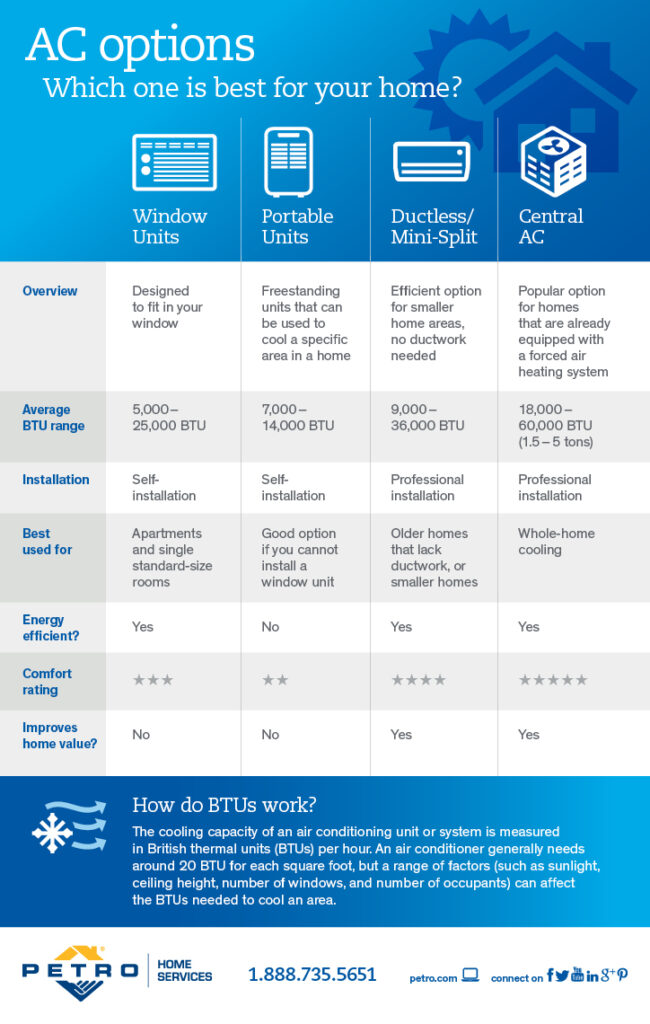
As we strive to maintain a comfortable temperature in our homes, air conditioners play a crucial role. However, not all air conditioners are created equal. With so many options available, it can be daunting to choose the right one. In this article, we will explore the key factors to consider when selecting an air conditioner for your home.
Understanding Your Needs
Before making a purchase, it’s essential to understand your needs and requirements. The first step is to determine the size of your home and the number of windows that need to be cooled. A general rule of thumb is to calculate the square footage of your home and multiply it by 340 BTU/h. This will give you an estimate of the air conditioner’s power consumption.
Key Parameters to Consider
When selecting an air conditioner, there are several key parameters to consider:
- Power: The power rating should be directly proportional to the size of your home.
- Filtering System: A good filtering system is essential for maintaining clean and fresh air in your home.
- Energy Efficiency: Look for air conditioners with high energy efficiency ratings, such as Class A++ or higher.
- Noise Level: If you plan to install the air conditioner in a bedroom or living room, consider one with a low noise level.
The Impact of Room Size on Air Conditioner Selection
While calculating the square footage of your home is an essential step, it’s not the only factor to consider. Other factors such as:
- Number and type of windows: Windows that receive direct sunlight or have high heat gain should be taken into account when selecting an air conditioner.
- Insulation and thermal mass: Proper insulation and thermal mass can help reduce cooling costs and improve energy efficiency.
- Occupancy patterns: If you have a large family or frequent guests, you may need to consider an air conditioner with higher capacity.
Silent Air Conditioners: A Game-Changer for Homeowners
When it comes to noise levels, silent air conditioners are becoming increasingly popular. With advancements in technology, many modern air conditioners can operate at remarkably low decibel levels, making them ideal for bedroom installations. When shopping for a silent air conditioner, look for models with noise ratings below 55 dB.
Inverter Technology: The Future of Air Conditioning
In recent years, inverter technology has revolutionized the air conditioning industry. Inverter-based air conditioners can regulate both power and speed automatically, resulting in improved energy efficiency and reduced wear and tear on the unit. If you’re looking for an eco-friendly option, consider an inverter-based air conditioner.
Environmental-Friendly Air Conditioners: A Growing Trend
With growing concerns about climate change, environmental-friendly air conditioners have become increasingly popular. Many manufacturers are now using eco-friendly refrigerants such as R32, which has a lower global warming potential (GWP) compared to traditional refrigerants like R410A.
Factors to Consider When Choosing an Eco-Friendly Air Conditioner
When shopping for an environmental-friendly air conditioner, consider the following factors:
- Refrigerant: Look for models using eco-friendly refrigerants such as R32 or hydrofluoroolefins (HFOs).
- Energy Efficiency: Opt for air conditioners with high energy efficiency ratings, such as Class A++ or higher.
- Design and Materials: Consider air conditioners made from sustainable materials and designed to minimize waste.
Benefits of Choosing an Eco-Friendly Air Conditioner
Choosing an eco-friendly air conditioner can have numerous benefits, including:
- Reduced Carbon Footprint: By using environmentally friendly refrigerants and energy-efficient technologies, you can significantly reduce your carbon footprint.
- Cost Savings: Energy-efficient air conditioners can help reduce your energy bills over time.
- Improved Indoor Air Quality: Eco-friendly air conditioners often feature advanced filtering systems, ensuring clean and fresh air in your home.
Conclusion
Choosing the right air conditioner for your home can be a daunting task, but by considering key parameters such as power consumption, filtering system, energy efficiency, and noise level, you can make an informed decision. With advancements in technology, silent air conditioners and inverter-based units are becoming increasingly popular, offering improved energy efficiency and reduced noise levels. When shopping for an environmental-friendly option, look for manufacturers using eco-friendly refrigerants like R32.
FAQs
- What is the ideal power rating for an air conditioner based on room size?
- The ideal power rating depends on various factors, including room size, insulation, and occupancy patterns.
- How do I calculate the square footage of my home to determine the correct air conditioner size?
- To calculate the square footage, multiply the length and width of your home in feet or meters.
- What is the difference between a silent air conditioner and one with high noise levels?
- Silent air conditioners operate at low decibel levels (typically below 55 dB), making them ideal for bedroom installations.
- What are some benefits of using an inverter-based air conditioner?
- Inverter-based air conditioners can regulate both power and speed automatically, resulting in improved energy efficiency and reduced wear and tear on the unit.
- Why is R32 considered a more eco-friendly refrigerant than traditional ones like R410A?
- R32 has a lower global warming potential (GWP) compared to R410A, making it a more environmentally friendly option for air conditioners.
By understanding your needs and considering these key parameters, you can find the perfect air conditioner for your home. Whether you’re looking for an eco-friendly option or one that’s silent and efficient, there’s an air conditioner out there for you.


