
When it comes to oral hygiene, choosing the right toothbrush is crucial. Not only does it help maintain good oral health, but it can also prevent costly dental problems like caries and gum disease. In this article, we’ll explore the pros and cons of electric toothbrushes vs manual toothbrushes, and provide you with expert advice on which one is best for your specific needs.
The Importance of Oral Hygiene
Good oral hygiene is essential for maintaining healthy teeth and gums. Neglecting it can lead to serious problems like caries, gum disease, and even tooth loss. Regular brushing and flossing are the keys to preventing these issues. However, choosing the right toothbrush is equally important.
Electric vs Manual Toothbrushes
So, which one should you choose? Electric or manual? The answer depends on various factors, including your personal preferences, oral health needs, and budget.
Understanding the Pros and Cons of Each Type
Before we dive into the pros and cons of each type, let’s understand what makes them different. Electric toothbrushes use rotating or oscillating heads to clean teeth, while manual toothbrushes rely on human effort. Here are some key differences:
- Electric Toothbrushes:
- Pros: more efficient at removing plaque and bacteria, gentler on gums, and often come with features like timers and pressure sensors.
- Cons: more expensive upfront, may require battery replacement, and can be bulky.
- Manual Toothbrushes:
- Pros: inexpensive, portable, and easy to use. However, they may not clean teeth as efficiently as electric toothbrushes.
- Cons: can be less effective at removing plaque and bacteria, especially for people with sensitive gums or limited dexterity.
Which One is Best for You?
So, which one should you choose? It’s not a simple answer. The best option depends on your individual needs and preferences.
- If You Have Sensitive Gums: Look for an electric toothbrush with a gentle mode or a manual toothbrush with soft bristles.
- If You Have Limited Dexterity: A manual toothbrush may be more suitable due to its portability and ease of use.
- If Budget is a Concern: Manual toothbrushes are often the most affordable option.
Choosing the Right Electric Toothbrush
If you decide to go with an electric toothbrush, here are some key factors to consider:
- Speed: Look for a toothbrush that offers multiple speed settings. This will allow you to adjust the intensity of cleaning based on your comfort level.
- Type of Head: There are several types of heads available, including rotating, oscillating, and sonic. Each has its own unique benefits and drawbacks.
- Additional Features: Some electric toothbrushes come with features like timers, pressure sensors, and travel cases.
Philips Sonicare HX9332: A Top-Notch Option
If you’re in the market for a high-quality electric toothbrush, consider the Philips Sonicare HX9332. This model offers 30,000 brush strokes per minute, making it an efficient and effective option for removing plaque and bacteria.
Benefits of Using an Electric Toothbrush
Using an electric toothbrush can have several benefits, including:
- Improved Cleaning: Electric toothbrushes are more efficient at removing plaque and bacteria than manual toothbrushes.
- Gentler on Gums: Many electric toothbrushes come with gentle modes or soft bristles that are designed to be less harsh on sensitive gums.
- Increased Motivation: The timers and pressure sensors built into many electric toothbrushes can help motivate you to brush for the full recommended amount of time.
Tips for Using an Electric Toothbrush
Here are some tips for getting the most out of your electric toothbrush:
- Brush for at least 2 minutes: This will allow you to thoroughly clean all surfaces of your teeth.
- Pay special attention to areas with plaque buildup: Use a gentle mode or soft bristles to clean these areas effectively.
- Replace your toothbrush regularly: Electric toothbrushes can be more prone to wear and tear than manual toothbrushes, so make sure to replace them every 3-4 months.
Choosing the Right Manual Toothbrush
If you decide to go with a manual toothbrush, here are some key factors to consider:
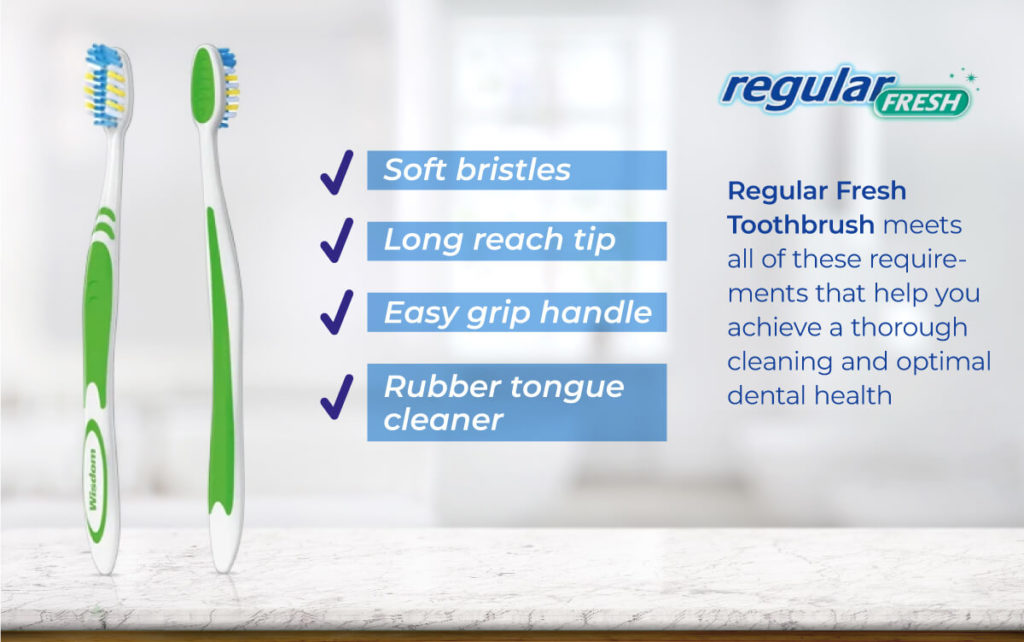
- Soft Bristles: Look for a toothbrush with soft bristles that won’t scratch your teeth or gums.
- Size and Shape: Choose a toothbrush that is easy to maneuver and comfortable to hold.
- Additional Features: Some manual toothbrushes come with features like built-in timers or pressure sensors.
Benefits of Using a Manual Toothbrush
Using a manual toothbrush can have several benefits, including:
- Inexpensive: Manual toothbrushes are often less expensive than electric toothbrushes.
- Portable: Manual toothbrushes are easy to take with you on the go.
- No Battery Required: You don’t need to worry about running out of battery or recharging your toothbrush.
Tips for Using a Manual Toothbrush
Here are some tips for getting the most out of your manual toothbrush:
- Brush at least 2 times per day: This will help maintain good oral health and prevent problems like caries and gum disease.
- Pay special attention to areas with plaque buildup: Use gentle circular motions to clean these areas effectively.
- Replace your toothbrush regularly: Manual toothbrushes can be more prone to wear and tear than electric toothbrushes, so make sure to replace them every 3-4 months.
Conclusion
Choosing the right toothbrush is crucial for maintaining good oral health. Electric or manual? The answer depends on your individual needs and preferences. By considering factors like sensitivity, dexterity, and budget, you can make an informed decision that suits your lifestyle.
FAQs
- What is the best type of toothbrush for sensitive gums?
- Look for an electric toothbrush with a gentle mode or a manual toothbrush with soft bristles.
- Can I use an electric toothbrush if I have limited dexterity?
- Yes, many electric toothbrushes come with features like timers and pressure sensors that can help individuals with limited dexterity navigate the brushing process.
- Are manual toothbrushes more hygienic than electric toothbrushes?
- No, both types of toothbrushes can be hygienic if properly cleaned and maintained.
By choosing the right toothbrush and following proper oral hygiene practices, you can maintain a healthy smile for years to come.


