
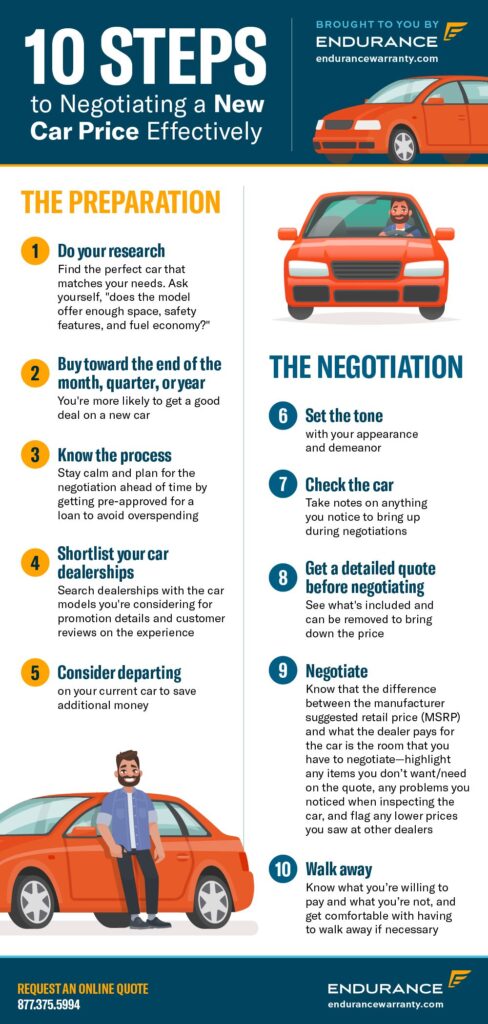
Selecting a new car is a rational decision that requires thorough research and objective evaluation of your needs. Especially when considering sharing the vehicle with other family members, it’s essential to prioritize your requirements beforehand to avoid regretful purchases.
Here are ten useful tips to help you make an informed decision when buying a new car:
1. Defining Your Budget
Before starting your search, it’s crucial to set a clear budget that includes not only the purchase price but also ongoing expenses like insurance, maintenance, fuel, and taxes. Don’t forget to consider the vehicle’s residual value, especially if you plan to sell it in the future.
Investing in an hybrid or electric car can be a smart move to reduce the depreciation of your vehicle over time. If your budget doesn’t allow for such an investment, consider taking out a loan from reputable lenders like Compass. Alternatively, you can explore financing options with your concessionary.
2. Analyzing Your Personal Needs
Assess your needs: how many people will regularly ride in the car? Do you need ample space for luggage? Are you more likely to drive in urban areas or on rural roads? Answering these questions will help narrow down the type of vehicle that suits you best: a compact car, sedan, SUV, etc.
3. Research and Comparison
Conduct an extensive search of cars within your budget and meet your requirements. Compare features, prices, fuel efficiency, and safety ratings using online tools and industry publications.
4. Fuel Efficiency Considerations
Fuel consumption is a constant expense for most drivers. Examine the fuel economy figures of the models you’re considering, taking into account your typical driving routes and the potential to save on fuel costs by choosing an electric or hybrid car.
Again, we recommend opting for a hybrid or electric vehicle, which can significantly reduce long-term expenses.
5. Choosing Your Vehicle Color
Selecting the color of your new car is a personal decision that balances individual taste with practical considerations. First and foremost, consider your personal preferences: which color do you like best?
Beyond personal taste, it’s essential to think about the climate where you live. Lighter colors like white or silver can help keep your car cooler in warm climates by reflecting sunlight, making them ideal for regions with high temperatures.
Visibility is another crucial factor to consider. Brighter colors like red or yellow are more visible on the road than darker ones and can be considered safer in terms of preventing accidents. However, some individuals prefer less vibrant colors due to style or discretion reasons.
Keep in mind that darker and lighter colors also affect how well your car will show signs of wear and tear, with lighter colors potentially hiding dirt and scratches better.
Lastly, when considering resale value, neutral colors like black, silver, and white tend to be more desirable as they are popular among buyers. If you plan on keeping the vehicle for a short period before selling it, this could impact your decision.
6. Prioritizing Safety
Prioritize safety by checking the crash test ratings of the cars you’re considering. Advanced safety features such as electronic stability control, side airbags, and emergency braking systems can be vital in case of an accident.
7. The Importance of Test Drives
Never purchase a car without taking it for a drive first. A test drive will help you evaluate the comfort of driving, visibility, noise level, power, and maneuverability of the vehicle.
8. Evaluating Reliability and Maintenance Costs
Research the reliability and maintenance costs associated with the specific make and model you’re interested in. Read reviews from current owners to get a better understanding of what to expect, as well as estimate the costs for routine and unexpected maintenance.
9. Choosing Your Dealer
Decide whether to purchase from an authorized dealer or an independent seller. While dealerships typically offer more comprehensive warranties and post-purchase services, they may also charge higher prices.
10. Avoiding Extras and Customizations
Be cautious with additional features or customizations that can increase the final cost of your car. Identify which features are essential to you and consider whether some options can be sacrificed to stay within budget.
By following these ten tips, you’ll be better equipped to make an informed decision when purchasing a new vehicle.
Frequently Asked Questions (FAQs)
-
How do I determine the right car color for me?
- Consider your personal preferences: which color do you like best?
- Think about the climate where you live and how it may affect the color’s durability
- Evaluate visibility: brighter colors are more visible on the road, but some prefer less vibrant options for style or discretion
-
What is the importance of test driving a car?
-
A test drive allows you to experience the comfort, visibility, noise level, power, and maneuverability of the vehicle firsthand
- This helps you make an informed decision about whether the car meets your needs
-
How can I ensure my new car is reliable and has low maintenance costs?
-
Research the reliability and maintenance costs associated with the specific make and model you’re interested in
- Read reviews from current owners to get a better understanding of what to expect
-
What are some common extras that can increase the cost of my new car?
-
Additional features like advanced infotainment systems, navigation, or premium sound systems
- Customizations such as interior trim upgrades or exterior accessories
-
How do I choose between a dealership and an independent seller?
-
Consider the benefits and drawbacks of each option: dealerships offer comprehensive warranties and post-purchase services but may charge higher prices
-
What safety features should I look for in my new car?
-
Advanced safety features like electronic stability control, side airbags, and emergency braking systems can be vital in case of an accident
-
How do I determine the right budget for my new car?
-
Consider not only the purchase price but also ongoing expenses like insurance, maintenance, fuel, and taxes
-
What is the importance of researching a vehicle’s residual value?
-
Neutral colors like black, silver, and white tend to be more desirable as they are popular among buyers
-
How can I save money on my car’s fuel efficiency?
-
Choose vehicles with good fuel economy figures and consider driving habits that reduce fuel consumption, such as regular maintenance and smart route planning
-
What should I look for when evaluating a vehicle’s reliability and maintenance costs?
-
Research the specific make and model you’re interested in to get a better understanding of what to expect
- Read reviews from current owners and estimate the costs for routine and unexpected maintenance


