
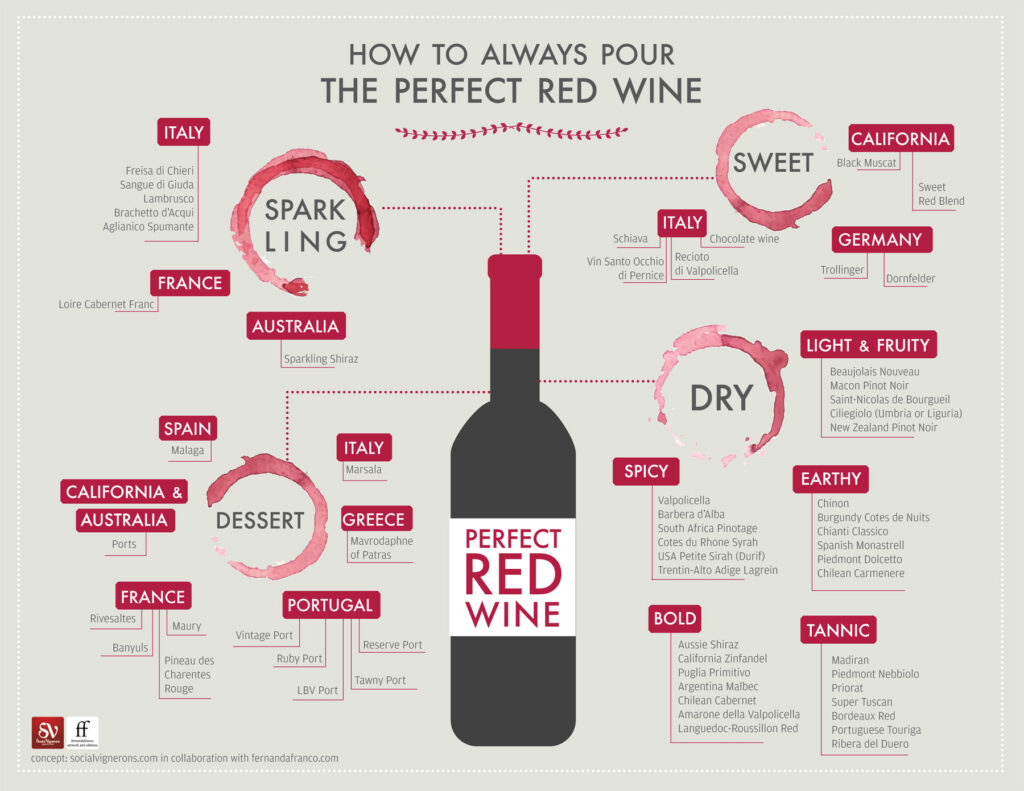
Selecting a great wine can be a daunting task, especially for those who are new to the world of wine. With so many options available, it’s easy to feel overwhelmed and unsure of where to start. In this article, we’ll break down the basics of choosing a great wine, from understanding wine labels and certifications to pairing wine with food. We’ll also provide practical tips and advice on how to make informed decisions when shopping for wine.
Understanding Wine Selection: A Practical Approach
The first step in selecting a great wine is to understand the basics. You need to consider factors such as price, quality, and style. When shopping for a wine at the supermarket, it’s essential to keep an eye on the price. According to experts, a good rule of thumb is to avoid wines that cost less than €5. This is because many factors, including production costs, transportation, bottling, and taxes, can impact the quality of the wine.
When selecting a wine from a reputable producer, look for labels such as DOC, DOP (DOCG), or IGP (IGT). These labels indicate that the wine meets certain standards of quality. However, it’s worth noting that IGT wines may contain up to 15% of grapes produced outside the region.
Selecting the Right Wine: Understanding Labels and Certifications
When selecting a wine for a special occasion, such as a dinner party or a gift, it’s essential to read the label carefully. Look for words like “integralmente prodotto,” which indicate that the winemaker is also the grower. This means that there is a single supply chain, which can ensure higher quality.
Another important factor to consider when selecting a wine is the grape variety. Some popular grape varieties include Chardonnay, Cabernet Sauvignon, Merlot, Pinot Noir, and Sauvignon Blanc. Each grape variety has its unique characteristics and flavor profile, so it’s essential to choose a wine that suits your taste preferences.
Understanding Wine and Food Pairing
Matching wine with food is an art that requires practice and patience. The key principle is to balance flavors, ensuring that no single flavor overpowers the others. For example, full-bodied wines pair well with robust meats, while lighter wines are better suited for delicate dishes.
Here are some general guidelines for pairing wine with different types of food:
- Red meat: Pinot Noir, Cabernet Sauvignon, Merlot
- Fish and seafood: Chardonnay, Sauvignon Blanc, Riesling
- Vegetables: Sauvignon Blanc, Pinot Grigio, Arneis
- Cheese: Chardonnay, Merlot, Port
Choosing a White Wine
If you’re looking for a versatile white wine, consider Sauvignon Blanc. This wine pairs well with a variety of dishes, including seafood, vegetables, and white meats.
Here are some popular types of white wine:
- Chardonnay: A buttery and oaky wine that pairs well with rich fish and shellfish.
- Sauvignon Blanc: A crisp and refreshing wine that pairs well with citrus and herbal flavors.
- Pinot Grigio: A light and crisp wine that pairs well with seafood and salads.
Choosing a Red Wine
For a red wine that’s easy to pair with many foods, try Pinot Noir. This wine is flavorful, drinkable, and pairs well with red meats as well as lighter, aromatic ingredients.
Here are some popular types of red wine:
- Cabernet Sauvignon: A full-bodied wine that pairs well with robust meats and hard cheeses.
- Merlot: A smooth and approachable wine that pairs well with pasta and pizza.
- Pinot Noir: A light and elegant wine that pairs well with salmon and other delicate fish.
Holding the Glass: Tips for Wine Appreciation
Finally, when it comes to enjoying your chosen wine, remember to hold the glass correctly. Hold the glass by the stem, rather than the bowl, to prevent warming the wine with your hand. This will help preserve the flavor and aroma of your chosen wine.
Another important tip is to swirl the wine in your glass before tasting it. Swirling helps to release the aromas and flavors of the wine, allowing you to appreciate its full range of characteristics.
FAQs
- How do I choose a good wine when I’m not sure what type to buy?
When in doubt, consider a versatile white wine like Sauvignon Blanc or a classic red wine like Pinot Noir.
- What’s the difference between DOC and DOP labels?
DOC (Denominazione di Origine Controllata) and DOP (Denominazione di Origine Protetta) labels indicate that the wine meets certain standards of quality, but IGT wines may contain up to 15% grapes produced outside the region.
- How do I choose a good wine for a special occasion?
Consider reading the label carefully, looking for words like “integralmente prodotto,” which indicate that the winemaker is also the grower.
- What’s the best way to store wine at home?
Store wine in a cool, dark place, away from direct sunlight and heat sources.
- How do I know if my wine has been aged properly?
A well-aged wine will have developed a rich, complex flavor profile over time.
- Can I use a wine opener that pierces the cork instead of twisting it off?
While some wine openers can work, they may not be the most effective or safest way to open your bottle.
- How do I know if my wine has gone bad?
If you notice an unusual color, smell, or taste, it’s best to err on the side of caution and discard the wine.
- Can I make my own wine at home?
Yes, but be aware that winemaking requires specialized equipment and knowledge. Consider taking a class or seeking guidance from an experienced winemaker before attempting to make your own wine.
Conclusion
Choosing the perfect wine can be a daunting task, but with this guide, you’re well on your way to making informed decisions when shopping for wine. Remember to consider factors such as price, quality, and style, and don’t be afraid to experiment with different pairings. Whether you’re shopping at the supermarket or dining out, we hope this article has provided you with a comprehensive understanding of how to select a great wine.
Recommended Resources
- Wine Spectator: A leading publication that reviews and rates wines from around the world.
- Wine Enthusiast: A magazine that provides reviews, ratings, and articles on wine.
- Wine Country Gift Baskets: A company that offers a wide selection of gourmet gift baskets featuring wine and food pairings.
Final Tips
- Always taste before you buy. This will give you an idea of the wine’s flavor profile and whether it suits your taste preferences.
- Don’t be afraid to ask for recommendations from your local wine shop or sommelier.
- Consider attending wine tastings and events to learn more about different wines and gain confidence in your selection process.
By following these tips and guidelines, you’ll be well on your way to selecting a great wine that suits your taste preferences and complements your culinary experiences.


