
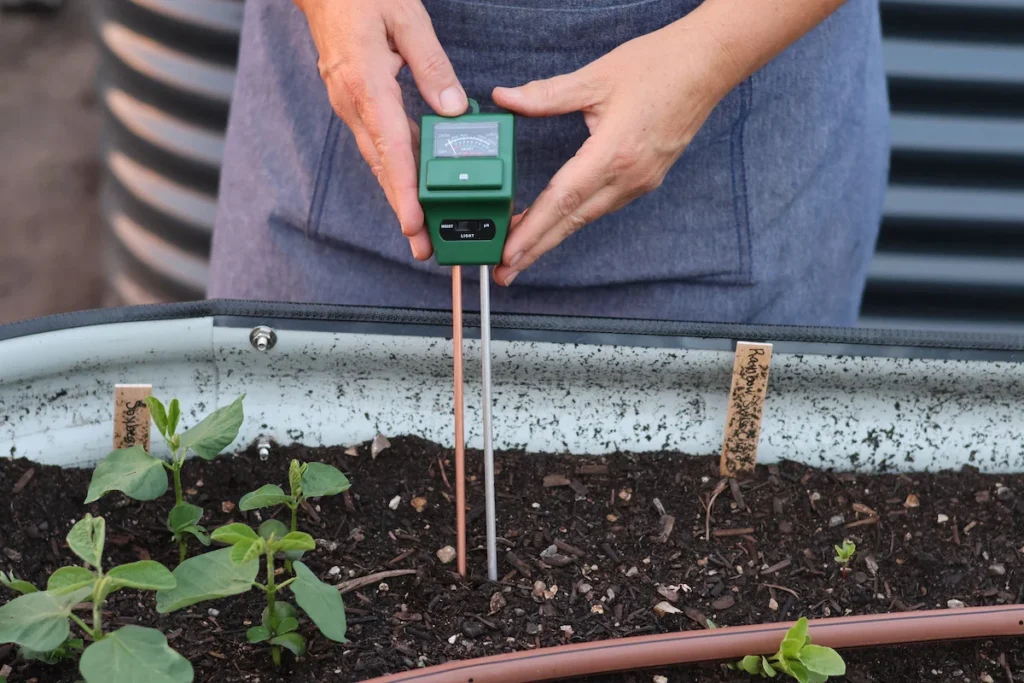
Understanding Soil pH
As a gardener, understanding soil pH is crucial for growing healthy plants. But what exactly does soil pH indicate? In this article, we’ll delve into the world of soil pH, explore its importance, and provide a step-by-step guide on how to measure it.
Why Soil pH Matters
Soil pH measures the acidity or basicity of a substance, which affects plant growth. If your soil is too acidic or too alkaline, you may experience reduced nutrient availability, stunted growth, and even plant death. By maintaining an optimal pH level, you’ll ensure that your plants receive the necessary nutrients for healthy development.
Soil pH Ranges: A Spectrum of Acidity
The pH scale ranges from 0 to 14, with 7 being neutral. Here’s a breakdown of soil pH ranges and their effects on plant growth:
- Acidic soils (pH = 4): Can inhibit iron absorption, causing leaf discoloration
- Slightly acidic soils (pH = 5-6): May reduce nutrient availability for some plants
- Moderately acidic soils (pH = 6-7): Optimal pH range for most plants
- Neutral soils (pH = 7): Allows for easy access to micronutrients
- Alkaline soils (pH = 8-9): Can damage plant roots and reduce nutrient uptake
- Highly alkaline soils (pH = 10+): Severely limits nutrient availability and may cause plant death
The Impact of Soil pH on Fertilizer Availability
Soil pH does not directly affect fertilizer availability, but it influences nutrient bioavailability. Acidic soils trap more ions, making them unavailable for uptake by plant roots, while alkaline soils release more ions, making them more accessible.
Measuring Soil pH: A Simple Process
Measuring soil pH is a straightforward process that can be done with minimal equipment. The most economical way to measure soil pH is using a pH test strip.
Materials Needed:
- Soil sample
- Deionized water (available at most stores)
- Clear container
- Mixing stick
- Fine-mesh sieve or coffee filter
- pH test strips
Where to Buy pH Test Strips?
A package of 100 pH test strips is available on Amazon for €11 with free shipping.
Procedure:
- Mix a cup of soil with 2.5 cups of deionized water in a clear container.
- Stir well and allow the mixture to sit for at least 5 minutes.
- Filter the mixture using a fine-mesh sieve or coffee filter.
- Dip the pH test strip into the filtered liquid and wait a few minutes to observe the color change.
Interpreting pH Test Results
The color change on the test strip indicates the soil’s pH level:
- Acidic soils: Red
- Neutral soils: Green
- Alkaline soils: Blue
Note that colors may vary depending on the manufacturer and type of test strips used.
Post-Measurement Interventions: Adjusting Soil pH
If your soil pH is not within the optimal range, you’ll need to take corrective measures. For acidic soils, add lime to raise the pH, while for alkaline soils, add sulfur or peat moss to lower the pH.
Lime and Sulfur: How They Work
- Lime (calcium carbonate): Raises soil pH by releasing calcium ions
- Sulfur (sulfuric acid): Lowers soil pH by absorbing hydrogen ions
Organic Amendments: A Sustainable Approach
Organic amendments like compost, manure, or green sand can help adjust your soil pH naturally. However, it’s essential to follow recommended application rates and monitor the effects on your soil.
Calcium Carbonate vs. Limestone Dust: Which is Best?
- Calcium carbonate (lime): Provides a slow release of calcium ions
- Limestone dust: Releases more calcium ions quickly
Pentagon Lime vs. Dolomitic Lime: What’s the Difference?
- Pentagon lime: High concentration of calcium carbonate and magnesium oxide
- Dolomitic lime: Lower calcium content, higher magnesium content
The Benefits of Soil pH Control
Maintaining an optimal soil pH can:
- Enhance nutrient availability for plants
- Promote healthy plant growth and development
- Reduce the need for fertilizers and chemicals
- Improve soil structure and fertility
Common Mistakes to Avoid When Adjusting Soil pH
- Overcorrection: Excessive use of lime or sulfur can damage plants.
- Underestimating pH effects: Neglecting pH changes can lead to nutrient deficiencies.
- Insufficient monitoring: Failing to regularly check soil pH can result in unexpected changes.
Conclusion: Optimizing Your Garden with Soil pH Control
By understanding soil pH and taking steps to maintain an optimal pH level, you’ll be well on your way to growing a thriving garden. Remember to measure your soil pH regularly, adjust as needed, and provide your plants with the necessary nutrients for healthy growth.
Frequently Asked Questions (FAQs)
Q: How often should I measure my soil pH?
A: It’s recommended to measure your soil pH at least once a year, especially if you’ve made significant changes to your garden or have concerns about nutrient availability.
Q: Can I use other methods to measure soil pH besides pH test strips?
A: Yes, other methods include using a soil pH meter, pendent pot test kit, or by sending a soil sample to a laboratory for analysis.
Q: How do I know if my soil is acidic or alkaline?
A: If you’re unsure about your soil’s pH level, consult with a gardening expert or take a soil sample to a local nursery or extension office for analysis.
Q: Can acid or alkaline soils be restored once they become imbalanced?
A: Yes, but it may require significant efforts and multiple attempts. It’s essential to monitor and adjust your soil pH regularly to prevent long-term damage.
Q: Are there any specific plants that thrive in acidic or alkaline soils?
A: Yes, some plants prefer slightly acidic soils (pH = 6-7), while others can tolerate a wide range of pH levels. Consult with local nurseries or gardening experts for more information on plant-specific pH requirements.
Q: How does soil pH affect fertilizer availability?
A: Soil pH affects nutrient bioavailability through cation exchange capacity and ion conditioning, making some nutrients unavailable to plant roots.
Q: Can I use organic amendments to adjust my soil pH?
A: Yes, organic amendments like sulfur, peat moss, or lime can be used to adjust your soil pH. However, it’s crucial to follow recommended application rates to avoid overcorrection.
A: Yes, excessive use of fertilizers or chemicals to adjust soil pH can lead to pollution and harm local ecosystems. Always prioritize sustainable and environmentally friendly practices when managing your soil pH.
By following this comprehensive guide, you’ll be well-equipped to understand and manage soil pH in your garden. Remember to stay informed about the latest research and best practices, and don’t hesitate to seek guidance from gardening experts if needed. Happy gardening!


