
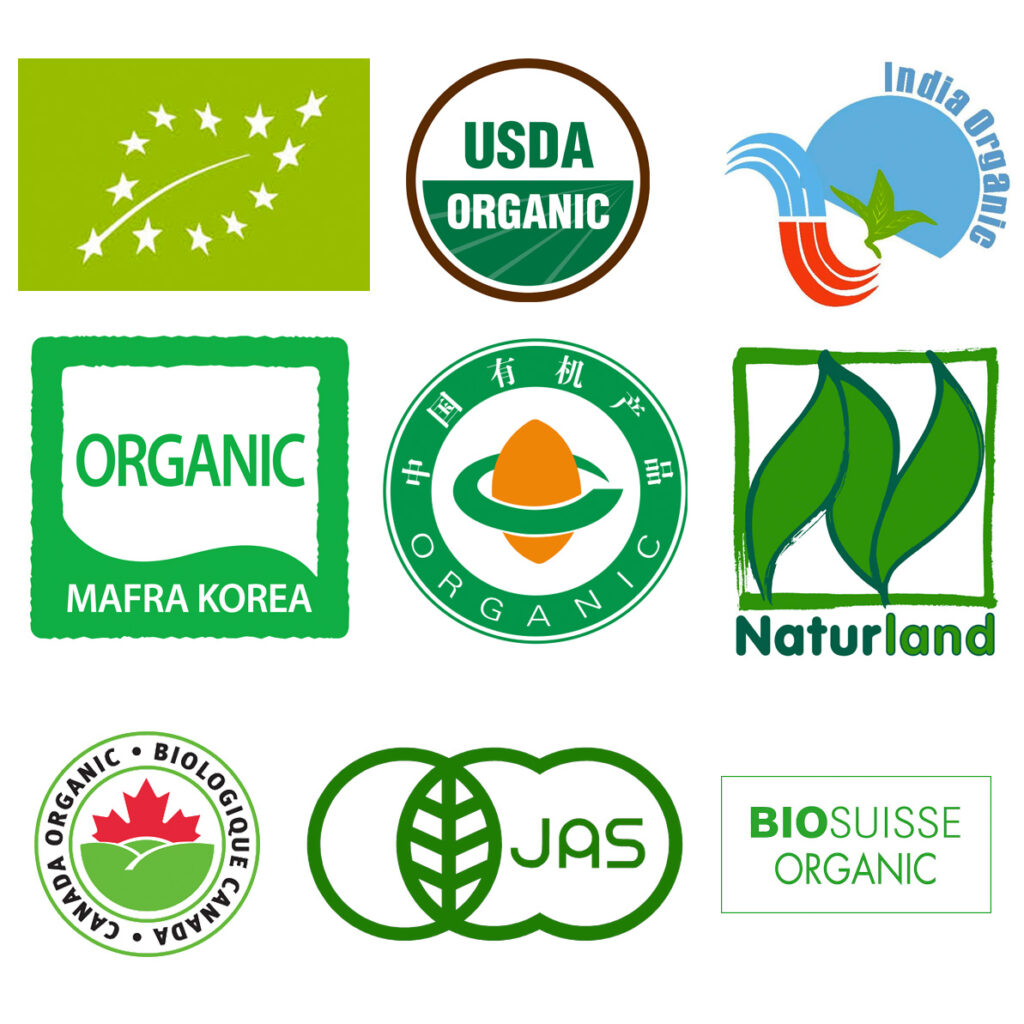
As a company looking to enter the organic food market, understanding the certification process is crucial. The European Union’s regulations on organic farming determine the release of the EU logo and corresponding labeling system. To ensure compliance, businesses must follow a rigorous verification process that begins with a minimum two-year conversion period.
Understanding the Regulatory Framework
The European Union’s Regulation 2092/91 sets the standards for organic farming, ensuring products meet specific criteria before they can bear the EU logo. This regulation governs all stages of production, from cultivation to processing and distribution. The certification process is overseen by accredited organizations, such as IFOAM, which ensures compliance with EU regulations.
The Certification Process
To obtain certification, businesses must:
- Notify the authorities: Submit a notification of activity using the approved method, along with a receipt to confirm delivery.
- Undergo inspections: The Organism of Control may conduct site visits to verify compliance with regulations.
- Receive a “Relazione di Ispezione Fase di Avvio”: A document outlining the inspection results, which is used by the Commission of Certification to determine whether the business meets certification requirements.
Key Principles of Organic Production
The production process must adhere to specific principles, including:
- Using only organic materials and avoiding genetic modification.
- Maintaining a high level of soil quality and biodiversity.
- Implementing integrated pest management techniques.
- Ensuring fair labor practices and social responsibility.
Labeling Requirements
Certified products must display the EU logo and national labeling, which includes:
- The name of the last handler (e.g., producer, transformer, or seller).
- The ID number of the accredited control body.
- Any necessary warnings or cautions.
The Importance of Transparency
Transparency is key in organic production, as it allows consumers to make informed decisions about their food choices. Clear labeling and disclosure of information help build trust between producers, distributors, and consumers.
Here are some common questions regarding organic certification:
- What are the requirements for converting to an organic farm?
- A minimum two-year conversion period is required.
- How often must farms be inspected?
- At least once a year, with additional visits as needed.
- Can products containing genetically modified organisms (GMOs) bear the EU logo?
- No, products with GMOs are not eligible for certification under the EU logo.
- What types of products cannot be labeled as “organic”?
- Products containing GMOs or derived from GMOs are excluded.
- How do I ensure compliance with organic regulations in my business?
- Work closely with accredited organizations to understand and meet certification requirements.
The Role of Accreditation
Accreditation plays a crucial role in the certification process. Accredited control bodies, such as IFOAM, ensure that businesses comply with EU regulations and standards. They conduct regular inspections and audits to verify compliance and provide support to certified producers.
Organic Certification Benefits
Certification can bring numerous benefits to businesses, including:
- Increased market access: Certified products can be sold in organic markets around the world.
- Improved brand reputation: Compliance with EU regulations can enhance a business’s reputation and build trust with consumers.
- Enhanced product quality: The certification process ensures that products meet strict standards for quality and safety.
Challenges and Limitations
While certification offers many benefits, there are also challenges and limitations to consider:
- High costs: The certification process can be costly, especially for small businesses.
- Time-consuming: The verification process can take several months to complete.
- Complexity: EU regulations can be complex and difficult to understand.
Conclusion
Obtaining certification for organic products requires a deep understanding of EU regulations and the production process. By following these guidelines and principles, businesses can ensure compliance and build trust with consumers. While there are challenges and limitations to consider, the benefits of certification far outweigh the costs.
Here are some key takeaways:
- Understand EU regulations: Familiarize yourself with EU regulations on organic farming.
- Work closely with accredited organizations: Collaborate with accredited control bodies to ensure compliance with certification requirements.
- Prioritize transparency and disclosure: Clear labeling and disclosure of information help build trust between producers, distributors, and consumers.
By following these guidelines and principles, businesses can navigate the complex world of organic certification and reap the many benefits that come with it.


