
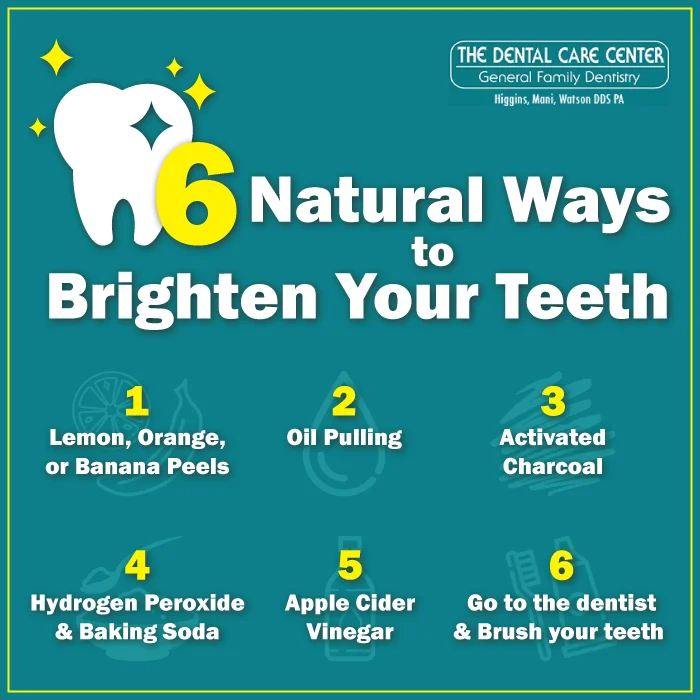
As we embark on the journey of maintaining our oral health, it’s essential to understand that the best way to achieve healthy teeth and gums is through a combination of good hygiene practices and a balanced diet. In this article, we’ll explore the natural ways to care for your teeth, without relying on chemical products commonly found in the market.
Understanding the Importance of Oral Hygiene
Maintaining good oral hygiene is crucial for overall health. A healthy mouth not only helps prevent tooth decay and gum disease but also boosts confidence and improves overall well-being. By following simple guidelines and incorporating natural remedies into your daily routine, you can enjoy a healthier smile without resorting to harsh chemicals.
The Role of Nutrition in Natural Dentistry
Nutrition plays a significant role in maintaining healthy teeth and gums. A diet rich in essential nutrients helps prevent tooth decay and promotes overall oral health. Certain foods have unique properties that help prevent cavities, strengthen enamel, and freshen breath. Let’s explore some of these natural heroes:
- Crunchy Veggies: Crunchy vegetables like carrots, celery, and radishes stimulate saliva production, which helps neutralize acid and remineralize teeth.
- Calcium-Rich Foods: Dairy products, leafy greens, and fortified plant-based milk provide calcium, essential for building strong teeth and bones.
- Fiber-Rich Fruits: Berries, apples, and pears are high in fiber, which helps clean teeth naturally and reduce inflammation.
Herbal Remedies for Healthy Gums
Certain herbs have natural antibacterial properties that help prevent gum disease and promote overall oral health. Some of these include:
- Ginger: Known for its anti-inflammatory properties, ginger helps reduce swelling and ease pain.
- Turmeric: Curcumin, a compound found in turmeric, has potent antibacterial and anti-inflammatory effects.
Tea: A Natural Mouthwash
Drinking tea regularly can have numerous benefits for your oral health. Certain types of tea, such as green tea and black tea, contain antioxidants that help prevent plaque buildup and reduce the risk of tooth decay.
By incorporating these natural remedies into your daily routine, you can enjoy a healthier smile without relying on chemical products. Remember to always consult with your dentist before making any significant changes to your oral care routine.
Frequently Asked Questions
- Q: How often should I brush my teeth?
A: Brush your teeth at least twice a day for two minutes each time. - Q: What is the best way to floss?
A: Use a gentle touch and curve the floss around the base of each tooth in a “C” shape. - Q: Can I use natural remedies instead of fluoride toothpaste?
A: While some natural remedies can be effective, they may not provide the same level of protection as fluoride toothpaste. Consult with your dentist before making any changes to your oral care routine.
Additional Natural Remedies for Oral Health
In addition to crunchy veggies, calcium-rich foods, and herbal remedies, there are several other natural remedies that can help promote healthy teeth and gums:
- Salt Water Rinse: Mix one teaspoon of salt with eight ounces of warm water and swish it around your mouth for 30 seconds before spitting it out.
- Oil Pulling: Swish coconut oil or sesame oil around your mouth for several minutes to reduce bacteria and inflammation.
- Aloe Vera: Apply aloe vera gel directly to the gum line to soothe and heal irritated gums.
Common Chemical Products Used in Dentistry
While natural remedies can be effective, there are also certain chemical products commonly used in dentistry that can have negative effects on oral health. Some of these include:
- Fluoride Toothpaste: While fluoride helps prevent tooth decay, excessive consumption can lead to fluorosis and other health issues.
- Antiseptic Mouthwashes: Many commercial mouthwashes contain harsh chemicals like sodium lauryl sulfate and chlorhexidine, which can dry out the mouth and irritate the gums.
- Dental Whitening Strips: While teeth whitening strips can help brighten teeth, they often contain harsh chemicals that can damage enamel and cause sensitivity.
By understanding the benefits of natural dentistry and avoiding common chemical products, you can enjoy a healthier smile without sacrificing your overall well-being.


