
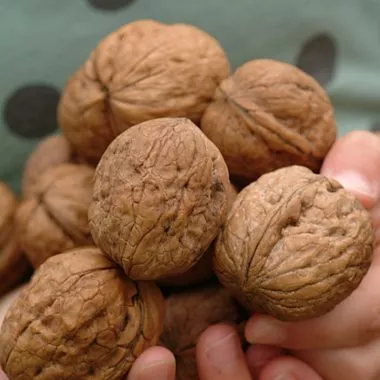
As a walnut tree owner, you want to ensure your tree remains healthy and produces abundant nuts. However, it’s not uncommon for trees to be attacked by pests and diseases that can cause significant damage. In this article, we’ll delve into the common fungal and bacterial diseases affecting walnut trees, their symptoms, and most importantly, how to prevent and treat them.
Understanding Fungal Diseases
Fungal diseases are a major concern for walnut tree health. Two of the most prevalent fungal diseases are anthracnose and leaf spot. Anthracnose is caused by Marssonina juglandis and is characterized by grayish-brown spots on leaves, stems, and flowers. If left untreated, this disease can cause significant defoliation and reduced nut production.
Symptoms of Fungal Diseases in Walnut Trees
- Grayish-brown spots on leaves, stems, and flowers
- Defoliation and reduced nut production
- Leaf drop and wilting
Preventing Fungal Diseases in Walnut Trees
To prevent fungal diseases in your walnut tree, consider the following:
- Regular pruning: Prune your tree regularly to maintain its shape, promote air circulation, and remove diseased leaves.
- Proper watering: Avoid overwatering, which can create a humid environment that fosters disease growth.
- Soil health: Maintain healthy soil by adding organic matter and ensuring adequate nutrient supply.
Understanding Bacterial Diseases
Bacterial diseases are another common issue affecting walnut trees. One of the most prevalent bacterial diseases is Xanthomonas campestris, which causes black spots on leaves and stems. This disease can lead to defoliation, reduced nut production, and even tree death if left untreated.
Symptoms of Bacterial Diseases in Walnut Trees
- Black spots on leaves and stems
- Defoliation and reduced nut production
- Leaf drop and wilting
Preventing Bacterial Diseases in Walnut Trees
To prevent bacterial diseases in your walnut tree, consider the following:
- Proper pruning: Prune your tree regularly to remove diseased leaves and stems.
- Soil health: Maintain healthy soil by adding organic matter and ensuring adequate nutrient supply.
- Tree sanitation: Remove any infected branches or debris from the tree.
Common Fungal Diseases Affecting Walnut Trees
- Anthracnose
- Caused by Marssonina juglandis
- Characterized by grayish-brown spots on leaves, stems, and flowers
- Can cause defoliation and reduced nut production if left untreated
- Leaf Spot
- Caused by various fungal pathogens
- Characterized by small, circular spots on leaves
- Can lead to defoliation and reduced nut production if left untreated
- Root Rot
- Caused by various fungal pathogens
- Characterized by soft, rotting roots
- Can be fatal if left untreated
Common Bacterial Diseases Affecting Walnut Trees
- Xanthomonas campestris
- Causes black spots on leaves and stems
- Can lead to defoliation, reduced nut production, and even tree death if left untreated
- Bordetella avium
- Causes black spots on leaves and stems
- Can lead to defoliation, reduced nut production, and even tree death if left untreated
Preventing Disease Spread in Walnut Trees
To prevent disease spread in your walnut tree, consider the following:
- Remove infected branches or debris: Regularly remove any infected branches or debris from the tree to prevent the spread of disease.
- Use pruning techniques: Use proper pruning techniques to promote air circulation and remove diseased leaves and stems.
- Maintain healthy soil: Maintain healthy soil by adding organic matter and ensuring adequate nutrient supply.
Treatment Methods for Fungal Diseases in Walnut Trees
- Copper-based fungicides: Copper-based fungicides can be effective in treating fungal diseases such as anthracnose and leaf spot.
- Pruning techniques: Pruning techniques can help remove diseased leaves and stems, reducing the risk of disease spread.
- Biological controls: Biological controls such as beneficial insects and microorganisms can help control fungal populations.
Treatment Methods for Bacterial Diseases in Walnut Trees
- Systemic fungicides: Systemic fungicides should only be used as a last resort, after all other preventative measures have been taken.
- Pruning techniques: Pruning techniques can help remove diseased leaves and stems, reducing the risk of disease spread.
- Biological controls: Biological controls such as beneficial insects and microorganisms can help control bacterial populations.
Conclusion
Preventing and treating fungal and bacterial diseases in walnut trees is crucial for maintaining their health and productivity. By understanding the symptoms, causes, and prevention methods of these diseases, you can take steps to protect your tree and ensure a bountiful harvest. Regular pruning, proper watering, and soil maintenance can go a long way in preventing disease growth.
Frequently Asked Questions
- Q: How often should I prune my walnut tree?
- Prune your tree annually, removing any dead or diseased branches.
- Q: What is the best way to treat anthracnose?
- Use copper-based fungicides and pruning techniques to prevent further spread.
- Q: How can I prevent bacterial diseases in my walnut tree?
- Regular pruning, proper watering, and soil maintenance are essential for preventing disease growth.
- Q: Can I use systemic fungicides on my walnut tree?
- No, systemic fungicides should only be used as a last resort, after all other preventative measures have been taken.
- Q: How long does it take to treat anthracnose?
- Treatment times vary depending on the severity of the disease and the effectiveness of the treatment method.
- Q: Can I use organic methods to treat fungal diseases in my walnut tree?
- Yes, copper-based fungicides, pruning techniques, and biological controls can be effective organic treatments.
- Q: How often should I inspect my walnut tree for signs of disease?
- Regularly inspect your tree during the growing season, looking for signs of disease such as yellowing leaves or black spots.
- Q: Can I treat bacterial diseases in my walnut tree with fungicides?
- No, fungicides are ineffective against bacterial diseases and should not be used to treat Xanthomonas campestris.
- Q: How can I prevent disease spread on my walnut tree?
- Remove any infected branches or debris from the tree, and use pruning techniques to promote air circulation.


