
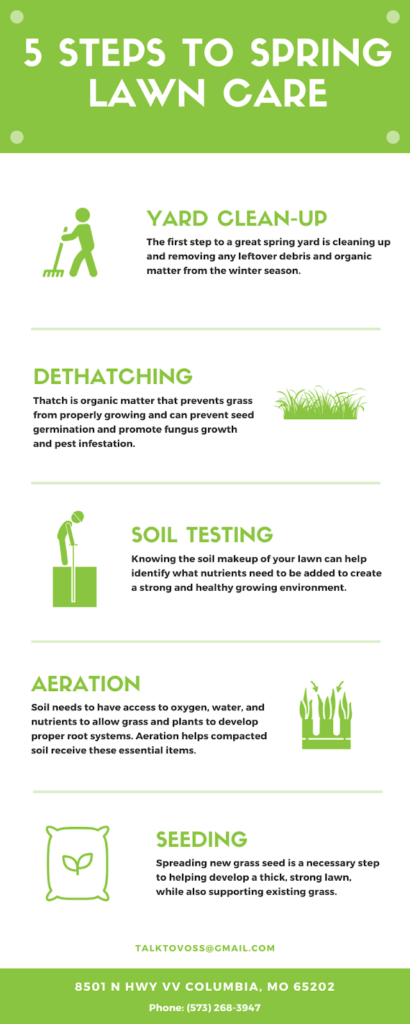
As the snow melts and spring arrives, it’s time to give your lawn some TLC. But if you don’t take care of it now, you might end up with an unhealthy, ingrown-looking grass. Let’s dive into what goes wrong when you neglect your lawn in the spring and how to get it back on track.
Why Spring Lawn Care is Crucial
If your lawn looks like it’s been through a war in the spring, there’s likely something amiss from winter maintenance. The pressure of walking on snow can compress the grass beneath, causing discoloration when it thaws out. This is just one example of how neglecting your lawn during the off-season can lead to problems.
During the winter months, your lawn may not receive the necessary amount of sunlight, water, and nutrients to maintain its health. As a result, the soil may become compacted, leading to poor drainage and root growth issues when you finally mow it in the spring. Furthermore, weeds may take advantage of the absence of lawn care by germinating and growing rapidly.
Spring Lawn Care 101
Now that we’ve covered why spring lawn care is essential, let’s get into the nitty-gritty details. Here’s a step-by-step guide on how to revive your grass:
March Madness: ArieGgiatura and De-Compaction
Temperatures permitting, March is the perfect time for aerating your lawn. This process helps loosen compacted soil, allowing air, water, and nutrients to penetrate deeper into the roots of your grass.
When aerating your lawn, you’ll want to use a machine specifically designed for the task. These machines will help break up compacted soil and promote healthy root growth.
With your lawn aerated, it’s time for the first mowing of the season. Keep your mower at a height of 4-5 inches to protect the grass from frost damage.
Removing Weeds and Debris
After your initial mow, use a rake or straw to remove weeds and debris from the surface. This ensures even growth and prevents weed seeds from germinating.
When removing weeds, it’s essential to get rid of as many root systems as possible to prevent regrowth. You can use a combination of manual removal and herbicides to achieve this goal.
Sowing New Grass (Optional)
Once you’ve cleared the surface, it’s time for some new grass. Simply sow new seeds in areas where the grass is thinning or needs extra nourishment.
When sowing new grass, make sure to choose a variety that is suitable for your climate and soil type. You can also use a mixture of grass species to create a more resilient lawn.
Spring Lawn Care Schedule
Here’s a comprehensive calendar of spring lawn care tasks:
| Month | Task |
|---|---|
| March | Aerate your lawn (if possible) and mow at 4-5 inches height. Remove weeds and debris. Sow new grass if necessary. |
| April | Continue to mow every 15-20 days, gradually lowering the height of your mower as needed. Apply a slow-release fertilizer with high nitrogen content for optimal growth. |
April Showers Bring May Problems
As the weather warms up, it’s essential to tackle some common spring lawn problems:
- Germ Elimination Treatment: Apply an anti-germ treatment to prevent weeds from sprouting.
- Fertilization: Give your lawn a second dose of fertilizer 30 days after the initial application.
May Frustrations: Lawn Care in Full Swing
By May, you’ll be enjoying a lush, vibrant lawn. However, keep these common mistakes in mind:
- Overwatering: Avoid overwatering, which can lead to shallow roots and poor drainage.
- Germ Elimination Treatment: Repeat the germ elimination treatment 30 days after the initial application.
Common Spring Lawn Problems
In addition to those mentioned earlier, here are some other common spring lawn problems you should be aware of:
- Yellowing or Browning Leaves: This can be caused by a lack of nitrogen, too much sun exposure, or pests like aphids and whiteflies.
- Unwanted Weeds: Crabgrass, dandelions, and clover are just a few examples of weeds that can take over your lawn if not addressed promptly.
- Lawn Damage from Spring Weather: Strong winds, heavy rainfall, and extreme temperatures can all cause damage to your lawn.
Tips for Avoiding Common Lawn Problems
To avoid these common spring lawn problems, follow these tips:
- Monitor Your Soil pH: Most grasses prefer a slightly acidic soil pH between 6.0 and 7.0.
- Keep an Eye on Weed Growth: Regularly inspect your lawn for weeds and remove them promptly to prevent regrowth.
- Maintain Proper Mowing Heights: Keep your mower at the recommended height for your specific grass type to promote healthy growth.
Conclusion: A Healthy Lawn is Just a Few Steps Away
Spring lawn care is all about reviving your grass after a long winter. By following this comprehensive guide, you’ll be well on your way to having a lush, vibrant lawn that’s the envy of the neighborhood.
With proper care and attention, you can prevent common spring lawn problems and create a healthy, thriving lawn that will provide years of enjoyment for you and your family.
Frequently Asked Questions (FAQs)
- How often should I mow my lawn in the spring?
Aim to mow every 15-20 days during the first few weeks of spring, gradually lowering the height as needed. - What type of fertilizer is best for spring lawn care?
Look for a slow-release fertilizer with high nitrogen content for optimal growth. - Can I use the same fertilizer for both winter and spring applications?
No, it’s best to switch to a new fertilizer in the spring to ensure your lawn receives the nutrients it needs during this critical growth phase. - How do I prevent weeds from taking over my lawn?
Use an anti-germ treatment and apply a slow-release fertilizer with high nitrogen content for optimal weed control. - What’s the best way to aerate my lawn in the spring?
Aerate your lawn when temperatures permit, ideally during the first few weeks of spring. - Can I overseed my entire lawn at once?
While it’s possible, it’s generally better to sow new grass in areas where the existing growth is thin or sparse. - How often should I fertilize my lawn in the spring?
Apply a second dose of fertilizer 30 days after the initial application for optimal growth and weed control. - What’s the most common cause of an ingrown-looking lawn?
Overwatering, poor drainage, and neglecting to aerate your lawn during the off-season are all common culprits.
By following these tips and avoiding common spring lawn problems, you can create a lush, vibrant lawn that will provide years of enjoyment for you and your family.


