
Autumn Lawn Care: A Comprehensive Guide to Preparing Your Lawn for Winter
As the leaves begin to fall and the temperatures drop, it’s essential to prepare your lawn for the harsh winter months ahead. In this article, we’ll delve into the best practices for autumn lawn care, including mowing, fertilizing, and pruning.
Why Autumn Lawn Care is Crucial
Autumn is a critical period for lawn care, as it sets the stage for a healthy and thriving lawn come springtime. By following these simple steps, you can help your lawn withstand the cold weather and thrive in the spring.
Preparing Your Lawn for Winter: A Step-by-Step Guide
Before we dive into the nitty-gritty of autumn lawn care, let’s talk about why it’s essential to prepare your lawn for winter.
Leaf Removal
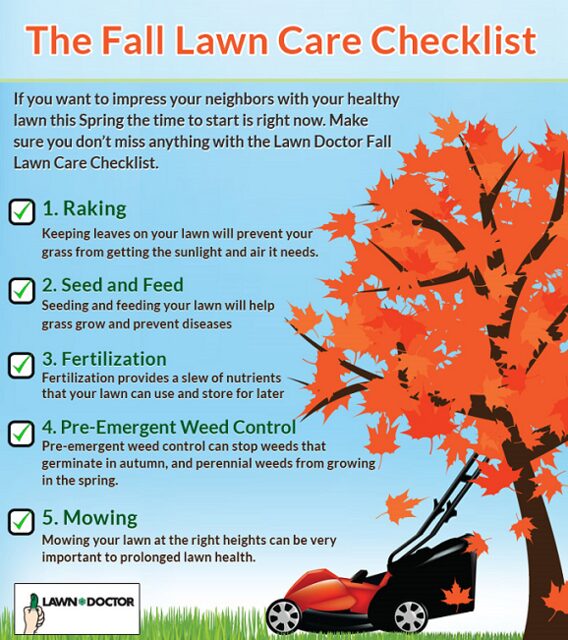
Leaves can smother your lawn and cause damage to the grass beneath. Remove them as soon as possible to prevent this from happening.
Fertilization
Autumn is an excellent time to fertilize your lawn, especially if you live in the northern United States or Canada. Use a fertilizer rich in potassium to help protect your lawn from disease and pests.
Pruning
Prune any dead branches or weeds from your lawn to prevent damage and promote healthy growth.
Mulching
Mulch can help protect your lawn from extreme temperatures and erosion. Apply a layer of organic mulch to your lawn before the first frost.
Protecting Your Lawn from Damage
Make sure to remove any debris or objects that could cause damage to your lawn during winter.
Can You Cut Your Lawn in Autumn?
While it may seem counterintuitive, you can still mow your lawn in autumn. However, be aware of the following:
Frost: If there’s a risk of frost, stop mowing immediately.
Damage to Grass: Mowing too low or too frequently can damage your grass.
How to Fertilize Your Lawn in Autumn
When it comes to fertilizing your lawn in autumn, choose a fertilizer rich in potassium. This will help protect your lawn from disease and pests.
Popular Options
Potassium-rich fertilizers are great for protecting your lawn from disease and pests.
Fertilizers with high phosphorus content can promote root growth and development, but be careful not to overdo it.
Choosing the Right Fertilizer
Choosing the right fertilizer can be overwhelming, especially if you’re new to lawn care. Here are some tips:
Read reviews: Check out reviews from other customers to get an idea of what works and what doesn’t.
Look for certifications: Opt for fertilizers that meet strict environmental standards.
When to Fertilize Your Lawn in Autumn
Fertilizing your lawn in autumn is crucial, but timing is everything:
Central and Northern United States: October is the perfect time to fertilize your lawn if you live in the central or northern United States.
Southern United States: November may be a better time to fertilize your lawn if you live in the southern United States.
How Much Fertilizer Do You Need?
The amount of fertilizer needed depends on several factors, including:
Grass type: Different types of grass require different amounts of fertilizer.
Soil quality: Soil quality can affect how much fertilizer your lawn needs.
General Guidelines
25 grams per square meter is a good starting point for most lawns.
Adjust according to soil conditions if your soil is poor in nutrients.
How to Avoid Overfertilizing
Overfertilizing can harm your lawn and the environment. Here are some tips:
Read labels carefully: Make sure to read the label carefully before applying fertilizer.
Follow instructions: Follow the instructions on the fertilizer package for proper application rates.
Additional Tips for Autumn Lawn Care
Here are some additional tips to keep in mind during autumn lawn care:
- Aerate your lawn: Aerating your lawn can help improve drainage and reduce soil compaction.
- Dethatch your lawn: Dethatching your lawn can help remove dead grass and debris that can harm your lawn.
- Apply a pre-emergent herbicide: Applying a pre-emergent herbicide can help prevent weeds from growing in the spring.
Conclusion
Autumn lawn care is crucial for preparing your lawn for winter. By following these simple steps, you can help your lawn withstand the cold weather and thrive in the spring. Remember to fertilize your lawn in autumn, prune any dead branches or weeds, and apply a layer of organic mulch to protect your lawn from extreme temperatures and erosion.
By taking the time to prepare your lawn for winter, you’ll be rewarded with a healthy and thriving lawn come springtime. So don’t wait – get started on your autumn lawn care routine today!


