
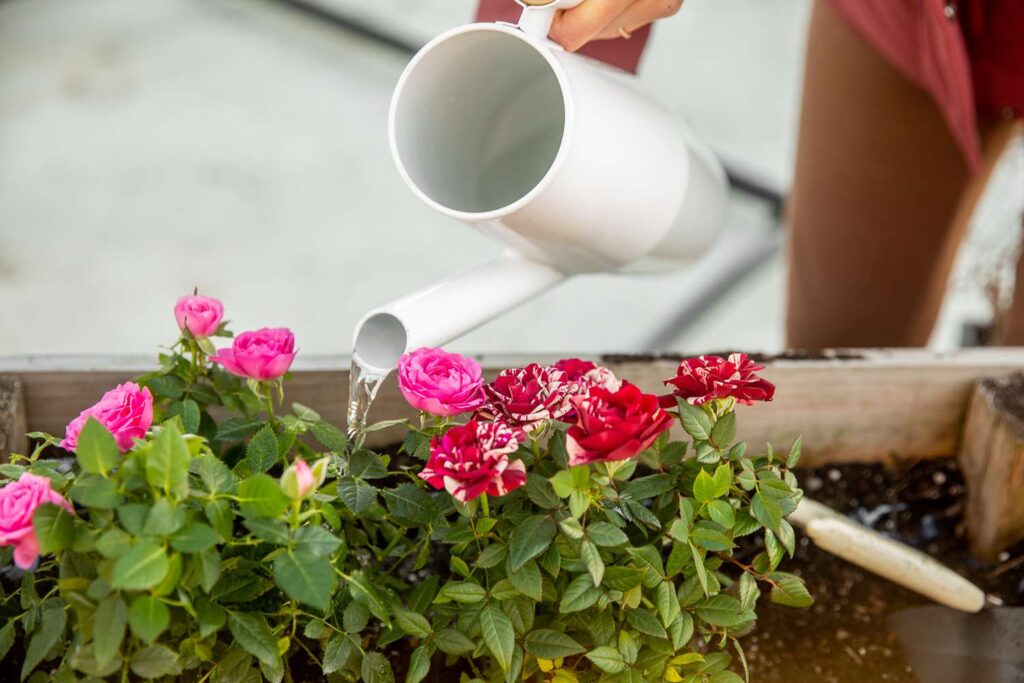
As the weather warms up, roses are ready to face the challenges of summer. From pruning to fertilizing, here’s a comprehensive guide on how to care for your rose bushes during the spring season.
Understanding Spring Roses
Roses produce beautiful blooms in the spring, but they require more attention than ever before. The warmer months bring new life to your garden, and with it comes a host of challenges that need to be addressed. In this article, we’ll cover everything from pruning to fertilizing, providing you with the knowledge you need to keep your rose bushes looking their best.
Spring Care for Roses: April
The first signs of pests and diseases start to appear in April, making it essential to prepare your rose bushes for the warmer months ahead. Here are some crucial steps to follow:
- Remove weeds: Clear the area around your rose bushes of any weeds, using a gentle rake or hoe. Weeds compete with your roses for water and nutrients, so removing them is essential.
- Aerate the soil: Loosen the top 8-10 cm of soil with a fork or spade, creating air pockets that will help prevent waterlogging. Aerating the soil helps to improve drainage and reduces the risk of root rot.
- Apply mulch: Spread a layer of organic mulch, such as straw or bark chips, around each rose bush to retain moisture and suppress weeds. Mulch also helps to regulate soil temperature, which can be beneficial for your roses.
To sum up, here are the essential spring care tasks for your roses:
- Remove weeds
- Aerating the soil
- Apply mulch
Spring Care for Roses: May-June
As the weather warms up in May and June, roses produce beautiful blooms, but require more attention to maintain their beauty. Here’s what you need to do:
- Remove deadhead: Cut away dead or wilted flowers to encourage new growth and promote blooming. Deadheading is an essential part of rose care, as it helps to prevent seed production and encourages your roses to produce more blooms.
- Prune pollards: For bush roses, remove any pollard stems that have grown from the base of the plant to prevent overcrowding and promote healthy growth. Pruning pollards also helps to maintain the shape and size of your rose bushes.
- Train climbing roses: If you have climbing rose bushes, secure the new canes to a trellis or stake them in place to maintain their shape.
Some additional tips for rose care during this period:
- Be mindful of rose aphids and other pests that may infest your plants
- Use insecticidal soap or neem oil to control any infestations
- Water your roses regularly, but avoid overwatering, which can lead to root rot and other problems
Should I Remove Dead Roses?
Not all dead roses need to be removed. Some types, like Tea and Floribunda roses, produce new growth from the tips of their stems, making removal unnecessary. However, for other varieties, such as those producing cinorrodi (fall berries), it’s best to leave them intact.
In fact, some rose varieties rely on dead or dying flowers to form cinorrodi, which provide sustenance for beneficial insects and wildlife during the fall months.
Dessert Rose Care: Managing Weeds
Weeds can be a nuisance in your garden, but they also compete with your roses for water and nutrients. To control weeds effectively:
- Use a desiccant spray to dry out weeds
- Remove weeds by hand or with a tool
- Mulch around your rose bushes to suppress weed growth
Introducing New Roses
Spring is the perfect time to introduce new rose bushes into your garden, whether they’re already established in containers or not. Here are some tips:
- Choose healthy, disease-free plants
- Plant them in well-draining soil with full sun
- Water regularly and mulch around the base
Common Problems in Spring-Rose Care
As you care for your roses, you may encounter some common problems that can affect their health and beauty. Here are some of the most common issues to watch out for:
- Powdery mildew: A fungal disease that affects roses, causing a white powdery coating on the leaves.
- Black spot: Another fungal disease that causes black spots on the leaves and stems of your rose bushes.
- Aphids: Small insects that can infest your rose bushes, sucking sap from the plants and causing damage.
To control these problems, use organic or integrated pest management methods, such as insecticidal soap or neem oil.
Tips for a Healthy Rose Garden
To create a healthy and thriving rose garden, follow these tips:
- Choose disease-resistant varieties: Select roses that are resistant to common diseases in your area.
- Water regularly: Roses need regular watering, especially during hot weather. Avoid overwatering, which can lead to root rot and other problems.
- Mulch around the base: Mulching helps to retain moisture, suppress weeds, and regulate soil temperature.
- Fertilize regularly: Fertilizing your roses once a month during the growing season will promote healthy growth and blooming.
Conclusion
With these comprehensive spring care tips for roses, you’ll be able to keep your garden looking its best throughout the warmer months ahead. By removing weeds, aerating the soil, applying mulch, pruning pollards, training climbing roses, managing pests, introducing new roses, and following common problem-solving strategies, you’ll be well on your way to creating a stunning rose garden.
Frequently Asked Questions
- Q: When should I prune my rose bushes?
A: Prune your rose bushes in late winter or early spring, removing dead or diseased wood to promote healthy growth. - Q: How often should I water my roses?
A: Water your roses regularly, but avoid overwatering, which can lead to root rot and other problems. - Q: What’s the best way to control pests on my rose bushes?
A: Use insecticidal soap or neem oil to control pests like aphids and whiteflies. - Q: Can I leave dead roses on my plants?
A: No, it’s best to remove dead roses to promote healthy growth and prevent the spread of disease. - Q: How do I introduce new roses into my garden?
A: Choose healthy, disease-free plants and plant them in well-draining soil with full sun. Water regularly and mulch around the base. - Q: Can I use chemical pesticides on my rose bushes?
A: No, it’s best to use organic or integrated pest management methods to control pests without harming your environment. - Q: How often should I fertilize my roses?
A: Fertilize your roses once a month during the growing season to promote healthy growth and blooming. - Q: What’s the best way to train climbing rose bushes?
A: Secure new canes to a trellis or stake them in place to maintain their shape and promote healthy growth.
By following these comprehensive spring care tips for roses, you’ll be able to create a stunning garden that blooms beautifully throughout the warmer months ahead.


