
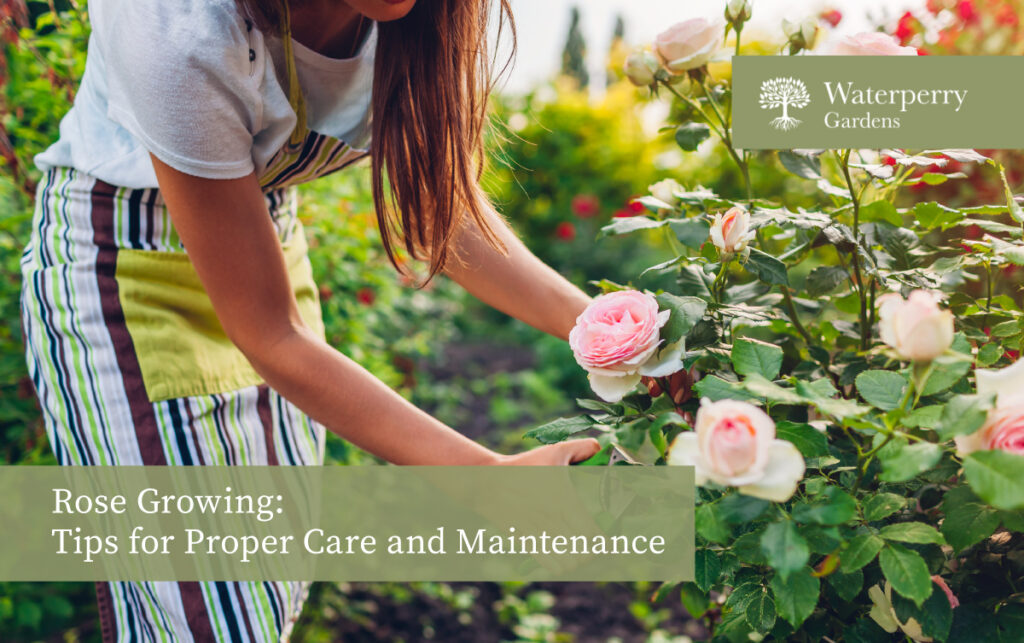
As a seasoned gardener, you understand the importance of proper care for your roses. From battling common pests to ensuring optimal growth and blooming, there’s more to rose care than meets the eye. In this article, we’ll delve into the world of rose care, exploring the best practices, products, and techniques to keep your rose garden thriving.
Understanding Rose Behavior: Flowering and Pruning
As the seasons change, so do our roses. By mid-April, early-blooming varieties like the botanic rose, tea hybrid, Rosa banksiae, Rosa chinensis, and Rasa mutabilis are already in bloom. The antique roses, on the other hand, typically bloom in May, while other varieties follow throughout June. It’s essential to note that climbing roses require pruning by late winter.
Pruning Your Roses: A Cut Above the Rest
Pruning your roses is an art that requires precision and attention to detail. Here are some key tips to keep in mind:
- Remove dead or dying branches, cutting just above a bud eye.
- Prune back overgrown canes by two-thirds of their length, making clean cuts just above a bud eye.
- For non-flowering varieties like rose bushes, prune in late winter, after the first frost.
The Art of Potting Roses
When it comes to potting your roses, here are some essential tips to keep in mind:
- Water your roses thoroughly, making sure the soil is moist but not waterlogged.
- Avoid overwatering, which can lead to root rot and other problems.
- Mulch around the base of your plants to retain moisture and suppress weeds.
Fertilizing Your Roses: The Key to Healthy Growth
Fertilizing your roses is crucial for healthy growth and blooming. Here are some tips on how to fertilize your roses:
- Use a balanced fertilizer that contains equal parts nitrogen, phosphorus, and potassium.
- Apply the fertilizer in early spring, following the manufacturer’s instructions.
- Consider using organic fertilizers like compost or manure tea.
Common Rose Problems: How to Identify and Treat Them
Rose problems can be frustrating, but with the right knowledge, you can identify and treat them effectively. Here are some common rose problems and how to address them:
Rust Diseases
Rust diseases cause yellow or orange spots on the leaves of your roses. To treat rust, use a fungicide specifically designed for rose rust.
- Symptoms: Yellow or orange spots on the leaves, often with a powdery coating.
- Prevention: Remove infected leaves and destroy them to prevent further spread.
Black Spot
Black spot is a fungal disease that causes small black spots on the leaves of your roses. To treat black spot, remove affected leaves and apply a fungicide to prevent further infection.
- Symptoms: Small black spots on the leaves, often in clusters.
- Prevention: Remove infected leaves, improve air circulation around the plant, and use a fungicide specifically designed for rose black spot.
White Powdery Mildew
White powdery mildew is a fungal disease that causes white, powdery patches on the leaves of your roses. To treat white powdery mildew, remove affected leaves and apply a fungicide specifically designed for rose powdery mildew.
- Symptoms: White, powdery patches on the leaves.
- Prevention: Remove infected leaves, improve air circulation around the plant, and use a fungicide specifically designed for rose powdery mildew.
Aphids and Whiteflies
Aphids and whiteflies are common pests that can cause damage to your roses. To treat them, use insecticidal soap or neem oil specifically designed for rose care.
- Symptoms: Sticky honeydew on the leaves, yellowing of the leaves, and stunted growth.
- Prevention: Use a sticky trap to capture aphids, improve air circulation around the plant, and apply insecticidal soap or neem oil as needed.
Root Rot
Root rot is a common problem that can be caused by overwatering, poor drainage, and root damage. To prevent root rot, make sure your soil is well-draining, and avoid overwatering.
- Symptoms: Yellowing of the leaves, droopy stems, and soft, mushy roots.
- Prevention: Improve drainage in your garden bed, reduce watering frequency, and inspect your plants regularly for signs of root rot.
Powdery Mildew
Powdery mildew is a fungal disease that causes white, powdery patches on the leaves of your roses. To treat powdery mildew, remove affected leaves and apply a fungicide specifically designed for rose care.
- Symptoms: White, powdery patches on the leaves.
- Prevention: Remove infected leaves, improve air circulation around the plant, and use a fungicide specifically designed for rose care.
Conclusion: A Rose Garden Worth Loving
Rose care requires attention to detail, patience, and dedication. By following these tips and techniques, you’ll be well on your way to creating a stunning rose garden that blooms with beauty and fragrance. Remember, every rose garden is unique, so don’t be afraid to experiment and find what works best for you.
Tips for Creating a Thriving Rose Garden
- Plant your roses in full sun to partial shade.
- Choose varieties that are resistant to pests and diseases.
- Water your roses regularly, but avoid overwatering.
- Fertilize your roses in early spring, following the manufacturer’s instructions.
- Prune your roses regularly to promote healthy growth and blooming.
Conclusion: Taking Care of Your Roses
Rose care is a continuous process that requires attention to detail, patience, and dedication. By following these tips and techniques, you’ll be able to create a stunning rose garden that blooms with beauty and fragrance. Remember, every rose garden is unique, so don’t be afraid to experiment and find what works best for you.
Rose Care FAQs
- Q: When should I prune my roses?
A:** Prune your roses in late winter or early spring, depending on the variety. - Q: How often should I fertilize my roses?
A:** Fertilize your roses in early spring, following the manufacturer’s instructions. - Q: What is the best way to control aphids and whiteflies?
A:** Use insecticidal soap or neem oil specifically designed for rose care. - Q: How can I prevent root rot on my roses?
A:** Make sure your soil is well-draining, and avoid overwatering. - Q: What is the best fertilizer for roses?
A:** Use a balanced fertilizer that contains equal parts nitrogen, phosphorus, and potassium. - Q: How do I identify powdery mildew on my roses?
A:** Look for white, powdery patches on the leaves of your roses. - Q: Can I grow roses in containers?
A:** Yes, but make sure you provide enough sunlight and water for your roses. - Q: How can I prevent fungal diseases on my roses?
A:** Use fungicides specifically designed for rose care, and remove affected leaves promptly.
Final Thoughts: Enjoying Your Roses
Rose care is a rewarding experience that requires attention to detail, patience, and dedication. By following these tips and techniques, you’ll be able to create a stunning rose garden that blooms with beauty and fragrance. Remember, every rose garden is unique, so don’t be afraid to experiment and find what works best for you. Happy gardening!


