
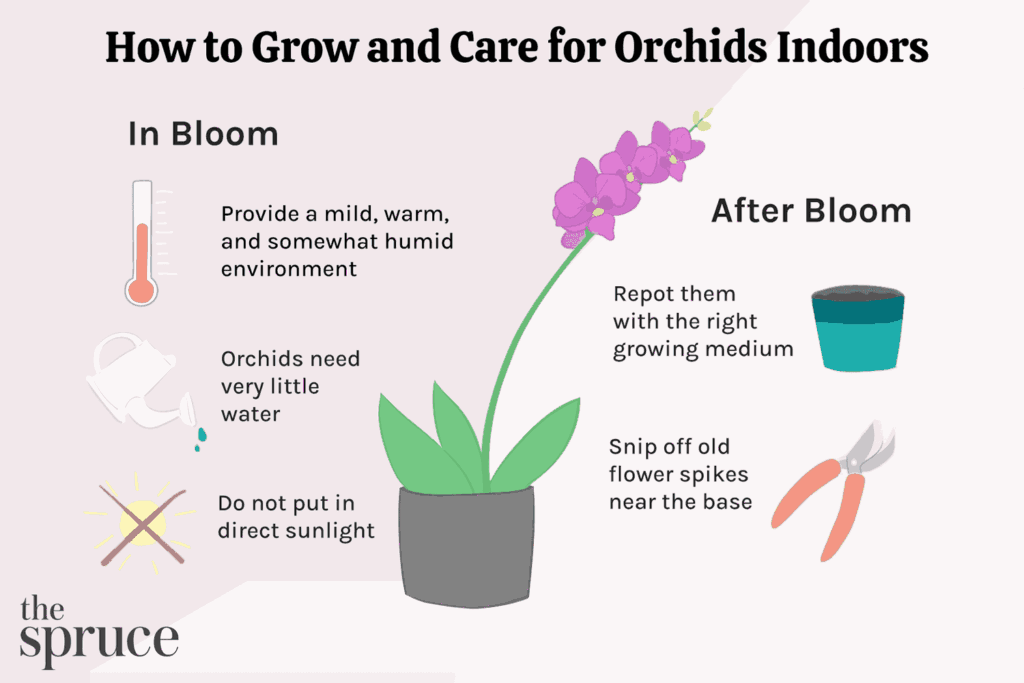
Orchids are undoubtedly one of the most popular houseplants, symbolizing elegance and refinement. However, these delicate tropical plants can be challenging to care for, especially in indoor environments. Fear not, dear reader! With the right guidance, you can cultivate thriving orchids that bring joy and beauty to your life.
Understanding Orchid Care: A Brief Overview
Before diving into the nitty-gritty of orchid care, it’s essential to grasp the basics. Did you know that orchids are CAM (Crassulacean Acid Metabolism) plants? This means they have a distinct metabolic process that differs from those of C3 plants, commonly found in our climate.
To avoid common pitfalls and ensure optimal growth, we’ll explore three primary categories of orchids based on their temperature requirements:
- High-temperature orchids: These species thrive in temperatures above 20°C (Phalaenopsis)
- Medium-temperature orchids: These plants prefer temperatures between 15°C and 20°C (Miltonia, Oncidium, Cambria)
- Low-temperature orchids: These species tolerate cooler temperatures (Dendrobium, Paphiopedilum)
Some orchids can even thrive in full sun to partial shade, such as the Cymbidium, while others prefer filtered light.
Lighting: The Key to Orchid Happiness
Lighting plays a crucial role in orchid care. Different species have unique lighting requirements, so it’s essential to research specific needs for your orchids. For example:
- Bright light: Some orchids, like Cymbidium, require bright light but should not be exposed directly to direct sunlight.
- Low light: Miltonia and other species can tolerate low light conditions.
During the summer months, it’s recommended to provide partial shade or dappled light for most orchids. Direct sunlight can damage flower stalks, so be cautious when placing your orchid in a sunny location.
Watering: The Art of Hydration
Orchids prefer well-draining soil and high humidity, making nebulizing with a spray bottle a great way to maintain moisture levels. When watering:
- Water thoroughly, allowing excess water to drain from the pot.
- Avoid getting water on the plant’s crown or leaves to prevent rot.
Fertilization: Feeding Your Orchid
To promote healthy growth and blooming, fertilize your orchids with a balanced fertilizer specifically designed for epiphytes. Follow these guidelines:
- Dilute fertilizer: Mix the fertilizer with water according to the manufacturer’s instructions.
- Feed every 10-15 days: Before flowering, feed your orchid with a diluted fertilizer solution (every 10-15 days from October to March).
- Reduce fertilization during blooming: Stop fertilizing once your orchid starts blooming to prevent excessive growth.
For this reason, choose a fertilizer that is rich in nitrogen, phosphorus, potassium, and iron.
Choosing the Right Fertilizer
When selecting a fertilizer for your orchids:
- Opt for a balanced, water-soluble formula.
- Avoid using generic fertilizers that may contain harsh chemicals or excess nutrients.
On Amazon, you can find excellent fertilizers for orchids at an affordable price. Simply search for “orchid fertilizers” and explore the options available.
By following these guidelines and adapting to your orchid’s unique needs, you’ll be well on your way to becoming an expert orchid caregiver.
Common Mistakes to Avoid
To ensure your orchid thrives, it’s essential to avoid common mistakes. Here are some pitfalls to watch out for:
- Over-watering: Orchids don’t like wet feet, so make sure the pot has good drainage holes.
- Under-watering: Water your orchid thoroughly, allowing excess water to drain from the pot.
- Incorrect temperature: Research the specific temperature requirements for your orchid and provide a suitable environment.
By being aware of these common mistakes, you’ll be able to provide your orchid with the care it needs to flourish.
Common Problems and Solutions
Some common problems can arise when caring for orchids. Here are some potential issues and solutions:
- Yellowing leaves: Over-watering or under-watering can cause yellowing leaves. Adjust your watering schedule accordingly.
- Brown tips: Brown tips on your orchid’s leaves may indicate dry air or low humidity. Increase the humidity around your plant by placing it near a humidifier.
By being proactive and addressing these potential issues, you’ll be able to prevent common problems and keep your orchid healthy and thriving.
Tips for Specific Orchid Types
Each type of orchid has unique needs and requirements. Here are some tips tailored specifically to popular orchids:
- Phalaenopsis: Provide bright light and moderate watering. These orchids thrive in temperatures between 15°C and 20°C.
- Miltonia: Prefers well-draining soil and high humidity. Watering should be done carefully, avoiding over-watering.
By understanding the specific needs of your orchid type, you’ll be able to provide tailored care that promotes healthy growth and blooming.
Conclusion
Mastering the art of orchid care requires patience, dedication, and attention to detail. By following these guidelines and adapting to your orchid’s unique needs, you’ll be well on your way to becoming an expert orchid caregiver. Remember to avoid common mistakes, address potential problems promptly, and provide tailored care for specific orchid types.
With the right guidance and a commitment to providing optimal care, you can enjoy the beauty and serenity of thriving orchids in your home or garden.


