
Caring for Indoor Plants: A Guide to Thriving Houseplants
As the temperatures rise and winter gives way to spring, our beloved indoor plants require more attention than ever. In this comprehensive guide, we’ll explore the essential care requirements for your houseplants, including exposure, soil, watering, temperature, and humidity.
The Five Fundamental Conditions for Indoor Plant Growth
For optimal growth, indoor plants need five crucial conditions:
- Proper Exposure: Adequate light is vital for plant development. Different species have varying light requirements, so it’s essential to choose the right spot for your plants.
- Fertile Soil: A well-draining potting mix with regular renovations will ensure healthy root growth and prevent waterlogged soil.
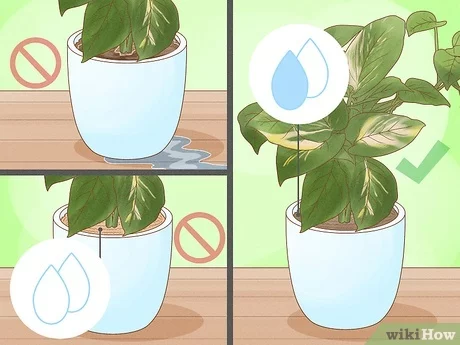
- Timely Irrigation: Proper watering schedules depend on factors like temperature, humidity, and plant species. Overwatering or underwatering can be detrimental to your plants’ health.
- Compatible Temperature and Humidity: Plants thrive in specific temperature ranges, and maintaining optimal humidity levels will prevent stress and promote healthy growth.
- Seasonal Adjustments: As the seasons change, adjust your care routine to accommodate your plant’s needs.
Gradual Outdoor Transition
When moving your plants from indoors to outdoors, do it gradually. This allows them to acclimate to the new conditions, reducing shock and stress. Start by spending a few hours outside, then gradually increase their exposure over time.
Pruning and Removing Debris
Regular pruning and removing dead or dying foliage will help maintain your plants’ appearance and prevent the spread of disease. Use clean tools and dispose of any debris properly to avoid contaminating other plants.
Choosing the Right Spot for Your Plants
Some indoor plants prefer bright, direct sunlight, while others thrive in shaded areas. Research the specific light requirements for your plants to ensure you provide the best environment for their growth.
- Shade-Loving Plants: Orchids, ferns, and peace lilies are great options for low-light spaces.
- Sun-Tolerant Plants: Ficus, snake plants, and succulents can handle direct sunlight with ease.
- Plants in Between: Zamioculcas zamiifolia, ficus elastica, and Ficus benjamina prefer bright, indirect light.
Cleaning Dust from Your Plants
Dust accumulation on leaves can reduce photosynthesis and create an environment conducive to pests. Regularly dusting your plants using a soft brush or damp cloth will maintain their appearance and health.
- Frequency: Every 4-5 months is recommended for most houseplants.
- Tips: Use a gentle touch, avoid getting water on the leaves, and dry the plant thoroughly after cleaning to prevent water spots.
Watering Strategies
A well-balanced watering schedule depends on various factors like temperature, humidity, and plant species. Monitor your plants’ response to different watering strategies to find what works best for them.
- General Guidelines: Water when the top inch of soil feels dry to the touch.
- Factors Affecting Watering: Temperature, humidity, and plant species all impact watering needs.
- Additional Tips: Use room-temperature water, avoid getting water on the leaves, and don’t overwater.
Fertilizing Your Indoor Plants
Proper fertilization is essential for maintaining healthy growth. Choose a fertilizer specifically formulated for your plant’s needs, and follow the manufacturer’s instructions for application frequency and amount.
- General Guidelines: Fertilize during the growing season (spring-fall) with a balanced fertilizer.
- Species-Specific Needs: Research specific fertilization requirements for your plants to ensure optimal growth.
Common Pests Affecting Indoor Plants
Regularly inspect your plants for signs of pests, such as spider mites, mealybugs, and scale. Use organic pest control methods whenever possible to avoid harming your plants or the environment.
Tips and Tricks
- Use a Humidifier: Maintain optimal humidity levels (40-60%) with a humidifier, especially in dry climates.
- Repotting: Repot your plants every 1-3 years to provide fresh soil and ensure healthy root growth.
- Propagation: Propagate new plants by dividing or layering stems for easy reproduction.
Conclusion
Caring for indoor plants requires attention to detail, patience, and a willingness to adapt. By understanding the fundamental conditions for plant growth and tailoring your care routine to meet your plant’s unique needs, you’ll be well on your way to becoming an expert indoor gardener.
Frequently Asked Questions
- How often should I water my plants?
- What is the best fertilizer for indoor plants?
- Can I put my plants in direct sunlight all day?
- How do I know if my plant needs more or less water?
- What are some common pests that affect indoor plants?
- How often should I prune my plants to maintain their appearance?
- Can I repot my plants every year, or is it better to leave them in the same pot?
- How can I create a humid environment for my plants?
By asking these questions and following this comprehensive guide, you’ll be well-equipped to provide your indoor plants with the care they need to thrive. Happy planting!


