
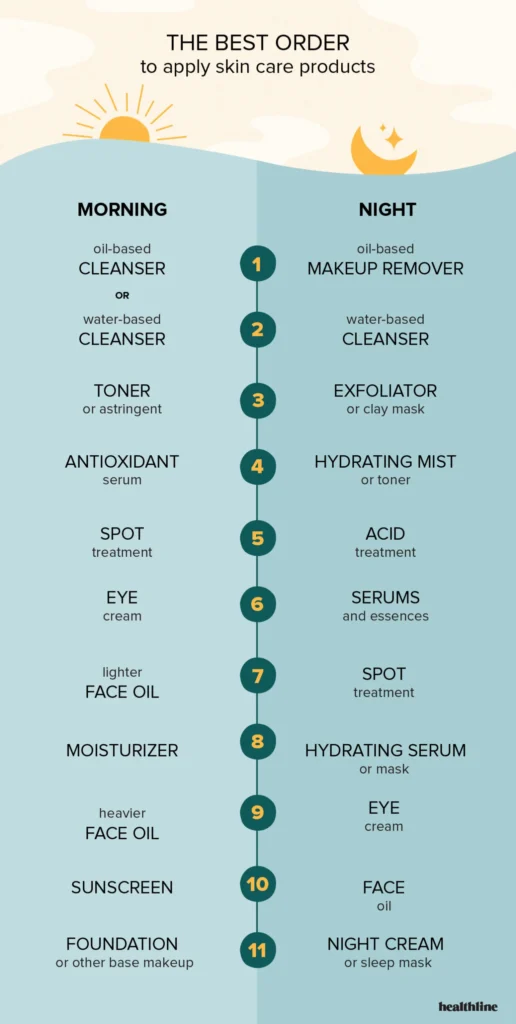
As we present ourselves to the world, our skin is often the first thing that comes into contact with others. A healthy and radiant complexion can boost our confidence and make a great first impression. However, many of us struggle with skin issues such as acne, dryness, or hyperpigmentation. In this article, we’ll explore natural skincare tips and tricks to help you achieve a perfect, smooth, and glowing face.
Understanding Skin Types
Before diving into natural skincare remedies, it’s essential to understand your skin type. Do you have oily skin, dry skin, combination skin, or sensitive skin? Each skin type has its unique needs, and using the right products can make all the difference. For example, if you have oily skin, using products that control sebum production can help reduce acne and minimize pores.
- Oily Skin: If you have oily skin, look for products labeled “oil-free” or “non-comedogenic,” which are less likely to clog your pores.
- Dry Skin: For dry skin, focus on moisturizing products that contain ingredients like hyaluronic acid, ceramides, and glycerin. Avoid harsh exfoliants and over-washing.
- Combination Skin: If you have combination skin, use lightweight, oil-free products to control shine in the T-zone (forehead, nose, and chin) while hydrating the cheeks and other areas.
The Importance of Hydration
Drinking enough water is crucial for maintaining healthy, hydrated skin. Aim to drink at least 2 liters of water per day to keep your skin plump, supple, and free of wrinkles. Dehydration can lead to dryness, dullness, and an increased risk of skin conditions like acne.
- Water Intake: Drinking enough water also helps flush out toxins and waste products from the body, which can improve skin health.
- Hydration Routine: Establish a consistent hydration routine by sipping on water throughout the day, taking a daily multivitamin, or using an electrolyte-rich drink.
Natural Remedies for Oily Skin
If you have oily skin, there are several natural remedies that can help balance your complexion. Here are a few:
- Tea Tree Oil: This essential oil has antibacterial properties that can help reduce acne and minimize pores.
- Lemon Juice: Mixing lemon juice with water creates a natural astringent that can help tighten pores and reduce oil production.
- Baking Soda: Baking soda can help absorb excess oil and reduce inflammation.
Natural Remedies for Dry Skin
If you have dry skin, here are some natural remedies to help moisturize and nourish your complexion:
- Coconut Oil: Coconut oil is rich in antioxidants and fatty acids that can help hydrate and soothe dry skin.
- Aloe Vera: Aloe vera has anti-inflammatory properties that can help calm and moisturize dry, irritated skin.
- Honey: Honey is a natural humectant that can help lock in moisture and soothe dry skin.
Natural Remedies for Acne
If you’re struggling with acne, there are several natural remedies that can help reduce inflammation and promote healing:
- Bicarbonate of Soda: Mixing bicarbonate of soda with water creates a natural paste that can help neutralize pH levels and reduce inflammation.
- Apple Cider Vinegar: Apple cider vinegar has antibacterial properties that can help reduce acne and minimize pores.
- Turmeric: Turmeric contains curcumin, a compound that has anti-inflammatory properties that can help soothe and heal acne-prone skin.
Natural Skincare for Sensitive Skin
If you have sensitive skin, there are several natural remedies that can help calm and soothe your complexion:
- Oatmeal Baths: Oatmeal baths can help soothe and moisturize sensitive skin.
- Aloe Vera Gel: Aloe vera gel is a natural soothing agent that can help calm and hydrate sensitive skin.
- Green Tea: Green tea has anti-inflammatory properties that can help reduce redness and promote healing in sensitive skin.
Natural Skincare for Combination Skin
If you have combination skin, there are several natural remedies that can help balance your complexion:
- Tea Tree Oil: This essential oil has antibacterial properties that can help reduce acne and minimize pores.
- Lemon Juice: Mixing lemon juice with water creates a natural astringent that can help tighten pores and reduce oil production.
- Baking Soda: Baking soda can help absorb excess oil and reduce inflammation.
Conclusion
Natural skincare is all about finding the right balance for your skin type. By incorporating natural remedies into your skincare routine, you can achieve a smooth, glowing complexion that’s free of acne, dryness, and other skin issues. Remember to always patch test new products and consult with a dermatologist if you have persistent skin concerns.
Frequently Asked Questions
- Q: What is the best natural remedy for acne?
A: There are several natural remedies that can help reduce acne, including tea tree oil, lemon juice, and bicarbonate of soda. - Q: How often should I exfoliate my skin?
A: Exfoliating once or twice a week is usually enough to remove dead skin cells and promote cell turnover. Over-exfoliating can lead to irritation and dryness. - Q: What is the best natural moisturizer for dry skin?
A: Coconut oil, aloe vera, and honey are all excellent natural moisturizers that can help hydrate and nourish dry skin. - Q: Can I use essential oils on my face?
A: Yes, but be sure to dilute them with a carrier oil first. Essential oils can be very potent and may cause irritation if used undiluted. - Q: How often should I apply natural skincare products?
A: Apply your natural skincare products as directed on the label. Typically, you’ll want to apply moisturizer or serum once or twice a day, depending on your skin type and needs.
Whether you have oily skin, dry skin, combination skin, or sensitive skin, there are natural remedies that can help balance your complexion and promote healthy, glowing skin. By incorporating these tips into your skincare routine, you can say goodbye to acne, dryness, and other skin issues and hello to a smooth, radiant glow.


