
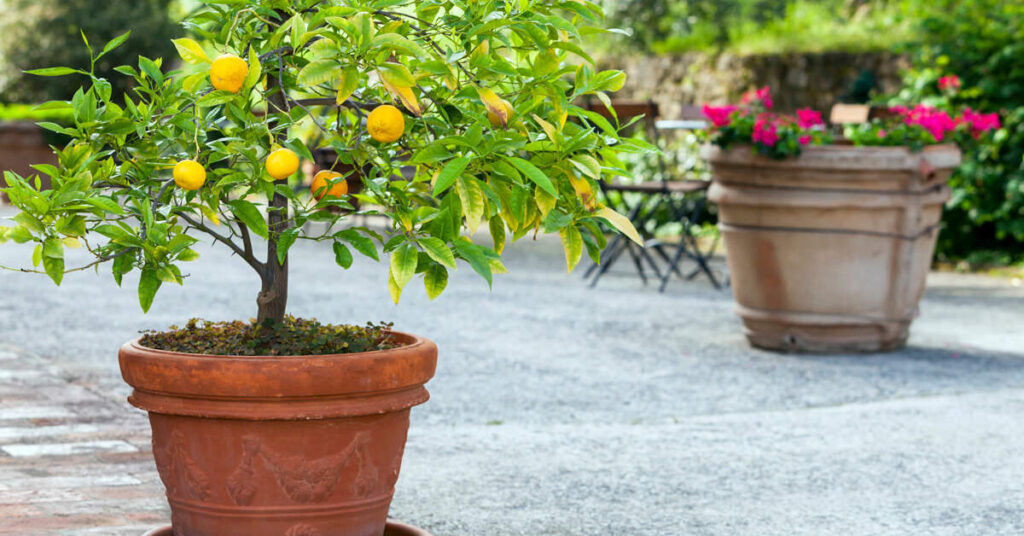
As a citrus tree enthusiast, you’ve likely encountered the joys of growing these delicious fruits in containers. But have you ever wondered how to care for them properly? In this article, we’ll delve into the world of citrus tree cultivation and explore the essential steps to ensure your trees thrive.
Protecting Citrus Trees from Cold
As the winter months approach, it’s crucial to protect your citrus trees from harsh cold temperatures. If possible, move your trees indoors or provide coverage using breathable materials like burlap or mesh. This will help insulate your trees and prevent damage.
If you can’t bring your trees inside, you can create a makeshift greenhouse by draping tarpaulins or plastic sheets over the container. Make sure to secure them tightly with rocks or weights to prevent wind damage.
General Care for Citrus Trees in Containers
Citrus trees require regular care, which intensifies during the spring months but continues throughout the year. In this section, we’ll cover the essential steps to maintain your citrus trees’ health and productivity.
1. Soil Quality
Use a well-draining potting mix specifically designed for citrus trees. Avoid using garden soil, as it can compact and prevent proper drainage.
2. Watering
Water your citrus tree when the top inch of soil feels dry to the touch. Reduce watering during the winter months when the tree is dormant. Overwatering can lead to root rot, so make sure not to waterlog the soil.
3. Fertilization
Feed your citrus tree with a balanced fertilizer (10-10-10) during the growing season (spring-fall). You can also add organic matter like compost or worm casting to improve soil fertility.
4. Pruning
Regular pruning is essential for maintaining the shape and promoting healthy growth of your citrus tree. Prune your tree in late winter or early spring, removing any dead or damaged branches.
5. Pest Control
Regularly inspect your tree for pests like mealybugs, whiteflies, or spider mites. Use organic pest control methods whenever possible to avoid harming beneficial insects.
Renovating Your Citrus Tree
The ideal time to renovate your citrus tree is in the spring, around May. To do so:
- Check for root bound: If the roots have filled the container, it’s time to move to a larger pot.
- Prune old roots: Use sterile pruning tools to trim any dead or damaged roots.
- Repot with fresh soil: Place the tree in a new container filled with fresh potting mix.
When to Renovate
Check if your citrus tree needs renovation by performing a simple test:
- Water the tree thoroughly.
- Remove the plant from its container, taking care not to disturb the roots.
- Inspect the roots: If you see a dense, fibrous mass of roots, it’s time to renovate.
- Trim old roots: Use sterile pruning tools to trim any dead or damaged roots.
Concimazione per le Piante di Agrumi in Contenitori
As mentioned earlier, fertilizing your citrus tree is crucial for its health and productivity. Here are some tips:
- Use a balanced fertilizer: Apply a balanced fertilizer (10-10-10) during the growing season.
- Add organic matter: Incorporate compost or worm casting into your potting mix to improve soil fertility.
La Potatura delle Piante di Agrumi in Contenitori
Regular pruning is essential for maintaining the shape and promoting healthy growth of your citrus tree. Prune your tree in late winter or early spring, removing any dead or damaged branches.
- Remove dead wood: Cut off any dead, diseased, or damaged branches to prevent the spread of disease.
- Prune for shape: Prune your tree to maintain its desired shape and promote healthy growth.
Irrigazione delle Piante di Agrumi in Contenitori
Proper watering is crucial for citrus trees’ health and productivity. Here are some tips:
- Water thoroughly: Water your tree when the top inch of soil feels dry to the touch.
- Avoid overwatering: Reduce watering during the winter months when the tree is dormant.
Frequently Asked Questions
Here are some common questions about caring for citrus trees in containers:
Q: How often should I water my citrus tree?
A: Water your citrus tree when the top inch of soil feels dry to the touch. Reduce watering during the winter months when the tree is dormant.
Q: Can I fertilize my citrus tree year-round?
A: No, fertilizing your citrus tree is best done during the growing season (spring-fall).
Q: How often should I prune my citrus tree?
A: Prune your citrus tree in late winter or early spring, removing any dead or damaged branches.
Q: Can I grow citrus trees indoors?
A: Yes, you can grow citrus trees indoors using containers. Make sure to provide sufficient light and maintain a consistent temperature between 65-75°F (18-24°C).
Q: What pests can affect my citrus tree?
A: Common pests that can affect citrus trees include mealybugs, whiteflies, spider mites, and aphids.
Q: Can I propagate citrus trees from cuttings?
A: Yes, you can propagate citrus trees from cuttings. Take 4-6 inch stem cuttings with at least two sets of leaves, remove lower leaves, and plant in a moist potting mix. Keep the soil consistently moist and warm until roots develop.
Q: How long does it take for a citrus tree to produce fruit?
A: The time it takes for a citrus tree to produce fruit depends on the variety and growing conditions. Dwarf varieties can produce fruit within 2-3 years, while standard varieties may take 5-7 years.
By following these essential steps and tips, you’ll be well on your way to becoming a citrus tree expert and enjoying delicious homegrown fruits for years to come!


