
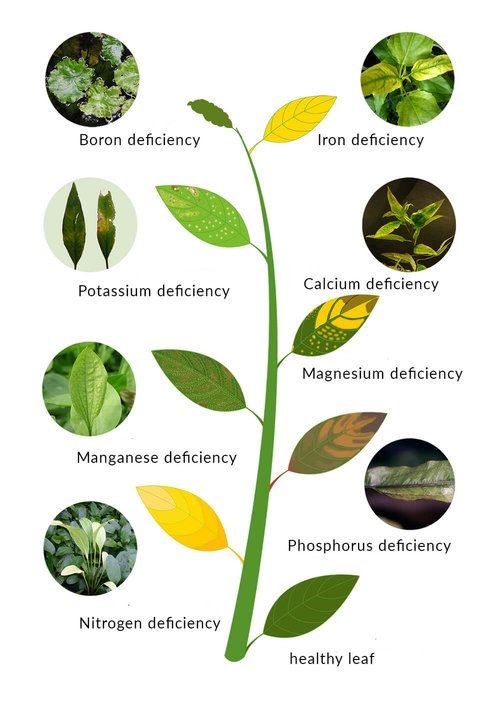
As living organisms, including aquarium plants, are susceptible to diseases, it’s essential to understand the importance of proper care to minimize the risk of maladies. In this article, we’ll explore how to care for aquarium plants by implementing some preventative measures that will help you create an optimal environment.
The Importance of Maintenance
To keep your aquarium plants healthy and thriving, regular maintenance is crucial. Maintaining a stable environment within your tank should be enough to prevent any type of infestation or illness. However, it’s also essential to observe the physical integrity and coloration of your plants daily.
Regular water changes, monitoring of pH levels, and maintaining optimal temperature ranges are all critical components of aquarium plant care. Additionally, regular pruning and fertilization can help promote healthy growth and prevent disease.
Plant Care 101: Understanding Your Plant’s Needs
To care for aquarium plants, you need to meet their specific needs, which vary depending on the plant species. These needs include:
- Water Quality: pH levels, water hardness, and other factors
- Substrate: Soil or gravel types, such as clay, rock, sand, or a mix of these
- Temperature: The ideal temperature range for each plant species
- Lighting: From low to high intensity, depending on the plant’s requirements
- Fertilization: Using fertilizers, either in granular or liquid form
Each plant species has unique needs, so it’s essential to research and understand what works best for your plants.
Selecting the Right Plants
Some popular aquarium plants include:
- Acorus Gramineus: Varieties like pusillus and varigatus are ideal for small tanks. They thrive in temperatures between 15-20 degrees Celsius and require a neutral pH.
- Alternanthera Sessilis (Amarantacee Family): This plant’s leaves can grow up to 6-7 cm long and are often used as decorative elements. It prefers temperatures between 16-22 degrees Celsius and can tolerate standard or higher intensity lighting.
- Anubias Lanceolata: This slow-growing, heat-tolerant plant is suitable for warmer tanks (20-30 degrees Celsius) and can thrive with low to medium light levels.
Choosing the Right Substrate
Selecting the right substrate for your plants is crucial. Some popular options include:
- Argilla or Torba: For plants like Acorus Gramineus, which prefer a mix of these.
- Sabbioso-Roccioso Mix: Ideal for Alternanthera Sessilis and Anubias Lanceolata.
Tips for a Healthy Aquarium
To ensure your aquarium plants remain healthy, keep in mind:
- Regularly monitor water quality and adjust as necessary
- Provide adequate lighting and fertilization
- Maintain a stable temperature range
By following these guidelines and understanding the specific needs of each plant species, you can create a thriving aquarium ecosystem.
Conclusion
Caring for aquarium plants requires attention to detail and a commitment to creating an optimal environment. By understanding the unique needs of each plant species and providing regular maintenance, you can promote healthy growth and prevent diseases. With the right knowledge and techniques, you can create a stunning and functional aquarium that brings joy and serenity to your space.
Frequently Asked Questions
- What is the best way to fertilize my aquarium plants?
Use granular or liquid fertilizers as needed, following the manufacturer’s instructions. - How often should I change the water in my aquarium?
Regularly test the water quality and adjust the changing schedule based on your findings. - Can I mix different substrate types together?
Yes, but be cautious of potential pH imbalances and adjust accordingly. - What is the ideal temperature range for Anubias Lanceolata?
20-30 degrees Celsius - How can I prevent diseases in my aquarium plants?
Regularly inspect your plants, maintain proper water quality, and provide adequate lighting and fertilization. - Can I use tap water in my aquarium?
No, it’s recommended to use dechlorinated or filtered water to prevent chemical imbalances. - How do I choose the right substrate for my plants?
Research the specific needs of your plant species and select a substrate that meets those requirements. - What is the best way to propagate aquarium plants?
Research the specific propagation methods for each plant species, as some may require more effort than others.
By following these guidelines and tips, you can create a thriving and healthy aquarium ecosystem that brings joy and serenity to your space.


