
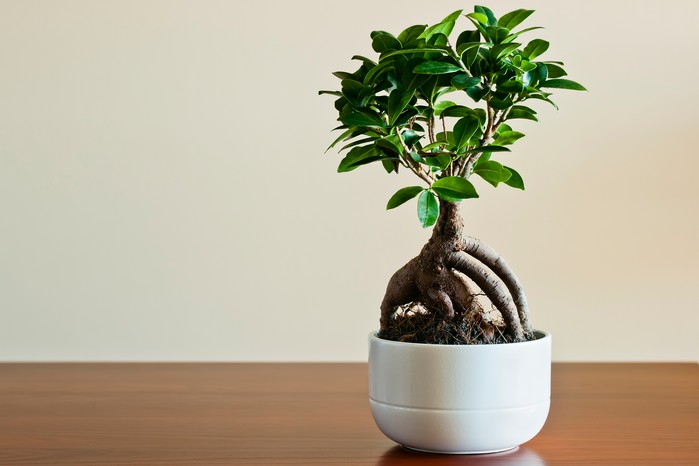
As we begin our journey into the world of bonsai care, it’s essential to clear one thing up: a bonsai is not just a plant; it’s an art form. The art of cultivating miniature trees, allowing the root system to develop in a small pot, requires patience, dedication, and attention to detail.
When you first acquire a bonsai, it’s crucial to determine its type to understand its specific needs regarding climate, light, watering, and nutrition requirements.
Common Types of Bonsai for Indoor Cultivation
Most commonly available bonsais are those that are relatively easy to care for and maintain. If you’ve just purchased an indoor bonsai, you’re likely to have one of the following types:
• Bonsai Crassula: A popular choice for indoor cultivation.
• Bonsai Ligustro: Easy to care for and requires minimal maintenance.
• Bonsai Carmona (Fukien Tea): Known for its striking foliage and ability to thrive indoors.
• Bonsai Schefflera arboricola (Umbrella Hawaiian): A versatile option that can be grown indoors with proper care.
• Bonsai Segeretia: A lesser-known but still popular type of bonsai.
Guidelines for Bonsai Care
While caring for your bonsai, keep in mind the specific needs of its species. Here are some general guidelines to follow:
Watering
The key is to maintain a moist environment without creating waterlogged soil. Be cautious not to overwater, as this can lead to root rot and other issues.
In winter months when the temperature rises with the use of thermostats, it’s essential to place your bonsai in a deeper pot filled with moisture-retaining materials like clay or pebbles.
Lighting
Bonsais prefer bright, indirect light. While direct sunlight can be detrimental during the hottest part of the day, placing your bonsai near an east- or west-facing window is ideal.
Avoid placing your bonsai directly under a window where it may receive intense heat from the sun.
Temperature and Location
A consistent temperature of around 20°C (68°F) is recommended. However, the location of your bonsai can change throughout the year. For instance, in winter, you can place your bonsai near a south-facing window to provide warmth, but avoid placing it directly under direct sunlight during the hottest part of the day.
In contrast, west- or east-facing windows are more suitable for indoor bonsais.
Fertilization
Consume nutrients twice a month from spring to autumn. In winter months, reduce fertilization to once a month.
Repotting
Repot your bonsai almost every year at the beginning of spring except for some specific types like olmo cinese (olmo giapponese).
Shaping and Styling Your Bonsai
While watering and lighting are essential, the true challenge lies in shaping and styling your bonsai. This process requires patience, dedication, and a thorough understanding of pruning techniques.
Pruning is not just about controlling the shape; it’s also about maintaining the health of the plant by removing dead or damaged branches. The goal is to create harmony between the tree and its container while respecting the natural form of the plant.
Styling Techniques
Bonsai styling involves various techniques such as:
- Wire shaping (wire bending)
- Pinning
- Trimming
Each technique has its unique characteristics, and choosing the right one depends on the desired outcome for your bonsai. Some popular styles include:
* Scissors Cut Style: Utilizes scissors to cut branches and create a natural look.
* Wire Cutting Style: Employs wire cutting techniques to shape the tree’s structure.
* Pinning Style: Uses small metal pins to support and shape the branches.
The key to successful bonsai styling is understanding how to work with each plant species’ unique characteristics. This requires patience, dedication, and practice.
Common Mistakes to Avoid
When caring for a bonsai, it’s easy to make mistakes that can negatively impact the health of your tree. Here are some common errors to avoid:
- Overwatering: Make sure to check the soil moisture before watering, as this can lead to root rot.
- Underwatering: Keep an eye on your bonsai’s leaves and adjust watering accordingly to prevent them from turning yellow or brown.
- Incorrect pruning techniques: Always use sharp, clean tools when pruning, and avoid cutting too much of a branch at once.
- Inadequate repotting: Repot your bonsai every year, except for specific types, to maintain its health.
Tips and Tricks
To help you get started with caring for your bonsai, here are some additional tips and tricks:
- Monitor humidity levels: Use a hygrometer to track the humidity in your home, especially during dry winter months.
- Maintain good air circulation: Place your bonsai near a window or use fans to ensure proper airflow around it.
- Prune regularly: Regular pruning will help maintain your bonsai’s health and promote new growth.
Conclusion
Caring for a bonsai is an art that involves mastering the basics of watering, lighting, fertilization, and repotting while using shaping techniques like wire bending or pinning to achieve your desired design. Understanding how to balance these elements will help you create a thriving, visually stunning bonsai tree. With patience, dedication, and practice, you can take your bonsai care skills to the next level and enjoy a beautiful miniature tree in your home.
Additional Resources
If you’re looking for more information or guidance on caring for your bonsai, here are some additional resources:
- Local nurseries: Visit local nurseries in your area to learn about different species of bonsais and get advice from experienced growers.
- Online forums: Join online forums and discussion groups dedicated to bonsai care to connect with other enthusiasts and share knowledge.
- Bonsai books: Read books on bonsai care and styling to gain a deeper understanding of the art form.
By following these guidelines, techniques, and tips, you’ll be well on your way to becoming a skilled bonsai caretaker. Happy growing!


