
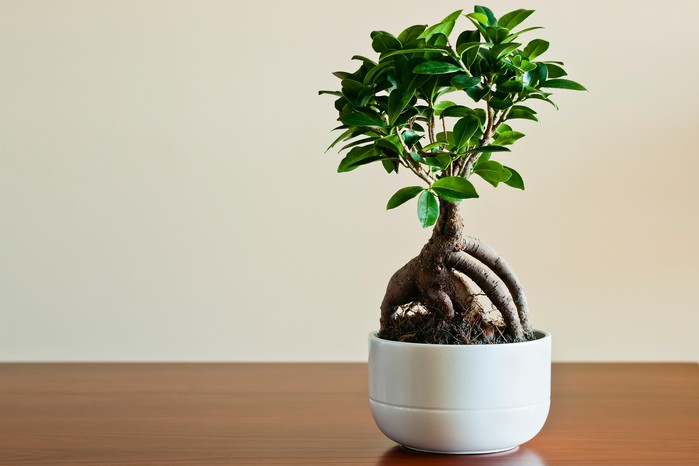
As an art form produced by humans with deliberate interventions, a bonsai is essentially a miniature reproduction of a tree grown in its natural habitat. When purchasing a bonsai, it’s essential to follow fundamental rules to care for and maintain it over time. In this comprehensive guide, we’ll delve into the world of bonsai care, covering topics such as indoor vs. outdoor bonsais, watering techniques, nutrient-rich fertilization, renovating your bonsai, and answering frequently asked questions.
Understanding the Basics: Bonsai Care 101
To ensure your bonsai thrives, you must understand its needs and provide proper care. This includes providing adequate light, water, nutrients, and pruning. A well-cared-for bonsai is a beautiful and living work of art that can bring joy to your home or garden.
Lighting: The Foundation of Bonsai Care
Lighting is crucial for bonsais, as it affects photosynthesis, which is essential for growth. Without sufficient light, your bonsai will quickly perish. However, placing a bonsai indoors can be beneficial, especially during hot summer months when direct sunlight may be too intense.
To create an optimal environment for your indoor bonsai, position it near a north-facing window or use grow lights to supplement the natural light. If you plan to display your bonsai outdoors during the warmer months, choose a location with partial shade and protect it from extreme temperatures.
Indoor vs. Outdoor Bonsais: What’s the Difference?
When deciding whether to keep your bonsai indoors or outdoors, consider the following factors:
- Lighting: Indoor lighting is often more consistent and can provide necessary light for growth during periods of low natural light.
- Temperature: Indoor temperatures are generally more stable than outdoor temperatures, which can fluctuate depending on the season and weather conditions.
- Humidity: Indoor environments tend to be drier than outdoor environments, making them less suitable for certain types of bonsais.
Watering Your Bonsai: The Right Amount of Hydration
Just like trees in their natural habitats, bonsais require adequate water to thrive. However, overwatering can be detrimental to their health. Check the soil moisture by inserting your finger into the soil up to the first knuckle. If the soil feels dry, it’s time to water.
Water your bonsai thoroughly, allowing excess water to drain from the pot’s drainage holes. Avoid getting water on the trunk or branches to prevent root rot and other issues. In hot weather, reduce watering to once a week during winter months.
Tips for Watering Your Bonsai
• Water in the morning: This allows the plant to absorb the moisture throughout the day.
• Use lukewarm water: Avoid shocking the roots with cold or hot water.
• Monitor your bonsai’s response: Adjust watering based on the tree’s reaction to the amount of moisture it receives.
• Reduce watering during winter months: This helps prevent root rot and other issues that can arise from excessive moisture.
Nutrient-Rich Fertilization: The Key to Healthy Growth
Fertilizing your bonsai is crucial for promoting healthy growth and development. Use a balanced fertilizer that contains essential nutrients like nitrogen, phosphorus, and potassium. Apply the fertilizer at half the recommended strength to avoid burning the roots.
When to Fertilize Your Bonsai
• Start fertilizing in late March or early April: This allows the bonsai to begin producing new leaves and foliage.
• Stop fertilizing during the hot summer months: This helps prevent excessive growth, which can lead to pest issues and other problems.
• Resume fertilization in October: Around the time of dormancy, resume fertilization to promote healthy growth during the following year.
Renovating Your Bonsai: The Importance of Repotting
Bonsais typically need to be repotted every 2-3 years to provide fresh soil and a larger pot if necessary. Choose a well-draining potting mix specifically designed for bonsais, and avoid using regular garden soil, which can compact and prevent proper drainage.
Renovating Your Bonsai: Tips and Tricks
• Use a sharp, sterile knife or pruning shears: Cut the roots and branches cleanly to minimize damage and promote healthy growth.
• Remove any dead or damaged wood: This helps prevent disease and pests from taking hold in your bonsai.
• Avoid over-pruning: This can stress the tree and lead to other issues, such as reduced growth or increased susceptibility to disease.
• Keep your bonsai in a shaded area: Until it adjusts to its new pot and soil, keep your bonsai in a shaded area to prevent scorching from direct sunlight.
FAQs: Common Questions About Bonsai Care
- How often should I water my bonsai?
Check the soil moisture regularly and adjust watering accordingly. Overwatering is more common than underwatering, so err on the side of caution. - What type of fertilizer should I use for my bonsai?
Use a balanced fertilizer that contains essential nutrients like nitrogen, phosphorus, and potassium. - When should I fertilize my bonsai?
Fertilize your bonsai in late March or early April when it begins to produce new leaves, and stop during the hot summer months. - How often should I repot my bonsai?
Repot your bonsai every 2-3 years, providing fresh soil and a larger pot if necessary. - What’s the best way to prune my bonsai?
Use sharp, sterile pruning tools, and avoid over-pruning, which can stress the tree. - Can I grow a bonsai outdoors year-round?
While it’s possible to display your bonsai outdoors, it’s essential to protect it from extreme temperatures and provide partial shade during hot summer months. - How do I know if my bonsai is getting enough light?
Monitor your bonsai’s response to light, adjusting as needed. A well-lit bonsai will have healthy, vibrant foliage. - Can I propagate a new bonsai from an existing one?
Yes, you can propagate a new bonsai by taking cuttings or dividing the roots of an existing tree.
By following these guidelines and tips, you’ll be well on your way to creating a thriving and beautiful bonsai that will bring joy and beauty to your home or garden.


