
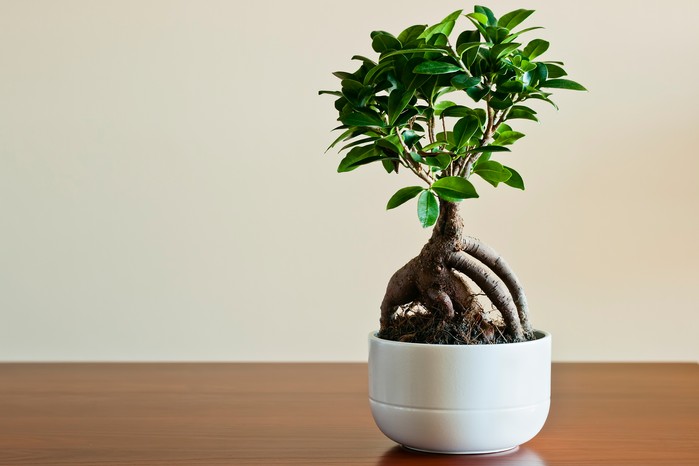
As a bonsai enthusiast, you know that caring for these miniature trees requires patience, dedication, and attention to detail. But what sets bonsais apart from other plants is their unique set of needs, which change with the seasons. In this article, we’ll delve into the world of bonsai care, exploring the best practices for each season, from spring to fall.
Understanding Bonsai Needs
Before we dive into the specifics of bonsai care, it’s essential to understand that these plants have distinct needs that differ from those of regular trees. Bonsais require a combination of light, air, water, and nutrients to thrive. However, their needs change with the seasons, so it’s crucial to adjust your care routine accordingly.
Seasonal Care: A Guide
Spring: Awakening the Bonsai
In the spring, bonsais that spend the winter indoors need to be moved outdoors to sunlight. Start by placing them in a sunny spot and gradually acclimate them to direct sunlight over the next few weeks.
- Irrigation: Increase watering frequency to 2 times a week, eventually reaching 4 times a week for more sensitive species.
- Fertilization: Feed your bonsai with a balanced fertilizer every 10-15 days during this period.
- Pruning: Prune new growth to maintain shape and promote healthy development.
Spring Care Tips
- Monitor for pests: Spring is an ideal time for pests like spider mites, mealybugs, and scale insects to infest bonsais. Regularly inspect your tree and take action if you spot any unwanted visitors.
- Provide humidity: Bonsais prefer a humid environment, especially during the spring months. You can increase the humidity around your tree by placing it on a tray filled with water and pebbles or using a humidifier.
Summer: Bonsai in Full Bloom
During the summer months, bonsais need daily watering and nebulizing to prevent overheating. It’s also the perfect time for pruning, especially for coniferous and deciduous species that have produced new shoots.
- Irrigation: Water daily, ensuring the soil is consistently moist but not waterlogged.
- Pruning: Perform summer pruning to maintain shape and promote healthy growth.
- Fertilization: Reduce fertilization during this period, as excessive nutrients can lead to overgrowth.
Summer Care Tips
- Avoid extreme temperatures: Summer heatwaves can be detrimental to bonsais. Ensure your tree is in a shaded area or use shade cloth to filter the sun’s rays.
- Watch for root bound: If your bonsai has outgrown its container, it may become root-bound. Prune the roots and repot the tree in a slightly larger pot.
Autumn: Transitioning to Winter
As autumn arrives, bonsais need to be moved indoors and protected from harsh weather conditions. Reduce watering frequency to 1-2 times a week and prune to maintain shape.
- Irrigation: Water less frequently, ensuring the soil remains consistently moist.
- Pruning: Prune to maintain shape and promote healthy development during this period.
- Fertilization: Suspend fertilization until spring, when new growth begins.
Autumn Care Tips
- Prepare for dormancy: As autumn progresses, bonsais begin to prepare for dormancy. Reduce watering frequency and prune back any dead or damaged branches.
- Monitor for diseases: Autumn is a prime time for fungal diseases like powdery mildew and root rot. Regularly inspect your tree and take action if you spot any signs of infection.
Winter: Cozying Up
During the winter months, bonsais require protection from extreme temperatures. Move them indoors and reduce watering frequency to once a week.
- Irrigation: Water less frequently, ensuring the soil remains consistently moist.
- Pruning: Prune to maintain shape and promote healthy development during this period.
- Fertilization: Suspend fertilization until spring, when new growth begins.
Winter Care Tips
- Maintain a consistent temperature: Bonsais prefer temperatures between 50-60°F (10-15°C). Avoid placing your tree near heating vents or drafty windows.
- Provide humidity: Indoor environments can be dry, which is detrimental to bonsais. Use a humidifier or mist the tree regularly to maintain optimal humidity levels.
Additional Tips
- Monitor your bonsai’s response to changes in temperature and humidity, adjusting care accordingly.
- Use a well-draining potting mix to prevent waterlogged soil.
- Prune regularly to maintain shape and promote healthy development.
By following these seasonal care guidelines, you’ll be well on your way to becoming a bonsai master. Remember to stay flexible and adjust your care routine as needed to ensure the health and happiness of your miniature tree.
Frequently Asked Questions
- How often should I water my bonsai?
- The frequency of watering depends on the species, climate, and season. As a general rule, water when the top inch of soil feels dry to the touch.
- What type of fertilizer is best for bonsais?
- A balanced, water-soluble fertilizer with micronutrients is ideal for bonsais. Avoid over-fertilizing, as this can lead to nutrient deficiencies and root damage.
- How often should I prune my bonsai?
- Prune regularly to maintain shape and promote healthy development. The frequency of pruning depends on the species and growth rate.
- Can I grow a bonsai outdoors year-round?
- While some species can tolerate outdoor conditions, many bonsais require protection from extreme temperatures, wind, and rain. Move your bonsai indoors during harsh weather conditions.
- How do I repot my bonsai?
- Repot your bonsai every 2-4 years, using a well-draining potting mix and a container that is only slightly larger than the previous one.
By following these guidelines and being mindful of your bonsai’s unique needs, you’ll be able to enjoy a thriving and healthy miniature tree.


