
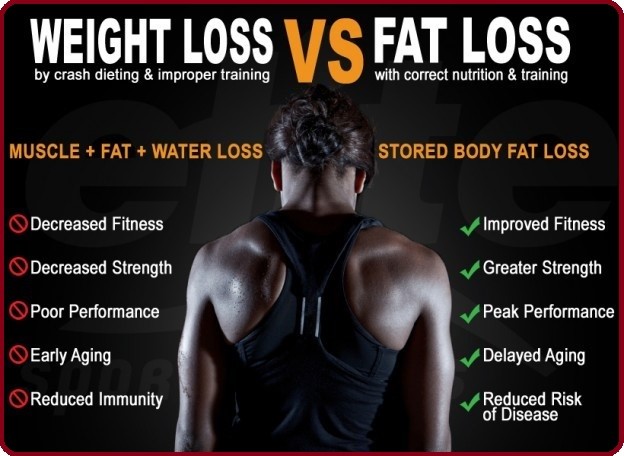
Are you tired of struggling to lose weight? Do you want to know the secrets to burning fat quickly and efficiently? Look no further! In this article, we’ll explore the three main areas that can help you achieve your goal: exercise, nutrition, and lifestyle.
Exercise: The Key to Burning Fat
Exercise is often considered the most effective way to burn fat. High-intensity interval training (HIIT) is a popular method that involves short bursts of intense exercise followed by brief periods of rest. This type of workout has been shown to be highly effective in burning calories and increasing metabolism.
One example of a HIIT workout can be seen in this video from FitnessBlender, which can help you burn over 220 calories in just 15 minutes. However, before starting any new exercise program, it’s essential to consult with a doctor to ensure you’re healthy enough for physical activity.
Another alternative to HIIT is jumping rope, which can be done at a moderate pace for 15-20 seconds followed by a slower pace for 30 seconds. This type of workout can also help increase your metabolism and burn fat.
In addition to HIIT and jumping rope, weightlifting is another effective way to burn fat. Resistance training can help build muscle mass, which in turn increases your resting metabolic rate (RMR). This means that even when you’re not actively exercising, your body will continue to burn more calories to maintain the increased muscle mass.
Why Weightlifting Works for Fat Loss
Weightlifting is a form of resistance training that targets specific muscle groups. When you engage in weightlifting exercises, such as squats, deadlifts, and bench press, you cause micro-tears in your muscles. This leads to inflammation and repair processes, which ultimately result in increased muscle mass.
As muscle mass increases, so does your RMR. This means that even when you’re not actively exercising, your body will burn more calories to maintain the increased muscle mass. In fact, research has shown that for every pound of muscle gained, your resting metabolic rate can increase by up to 50%.
In addition to increasing muscle mass and RMR, weightlifting also helps improve bone density and reduces the risk of injury. This makes it an excellent form of exercise for people of all ages and fitness levels.
Nutrition: Fueling Your Body
What you eat plays a crucial role in burning fat. A healthy diet that’s rich in nutrients can help support weight loss and improve overall health.
One of the most effective ways to fuel your body for fat loss is by increasing your intake of omega-3 fatty acids. Foods rich in omega-3s, such as salmon, walnuts, and chia seeds, have been shown to have a positive impact on metabolism and weight loss.
On the other hand, reducing your carbohydrate intake can also help you burn fat faster. Limiting your consumption of processed foods and sugary drinks can help reduce insulin resistance and improve overall health.
Adequate protein intake is also essential for burning fat. Protein takes more energy to digest than carbohydrates or fat, which means that it can help increase your metabolism and support weight loss.
In addition to a balanced diet, staying hydrated is also crucial for burning fat. Drinking plenty of water throughout the day can help boost your metabolism and support overall health.
Hydration: The Often-Overlooked Key to Fat Loss
Water makes up approximately 60% of our bodies, and it plays a crucial role in many bodily functions, including regulating body temperature, transporting nutrients, and removing waste products. However, many people underestimate the importance of hydration for fat loss.
Drinking enough water can help boost your metabolism by increasing satiety and reducing hunger. This means that you’ll be less likely to overeat or make unhealthy food choices, which can help support weight loss.
In addition to improving metabolism, staying hydrated can also help improve exercise performance and reduce muscle soreness. Even mild dehydration can impair athletic performance, so it’s essential to drink plenty of water throughout the day.
The Science Behind Hydration and Fat Loss
Research has shown that even mild dehydration can have a significant impact on fat loss. A study published in the Journal of the International Society of Sports Nutrition found that participants who were mildly dehydrated experienced a 23% decrease in their resting metabolic rate compared to those who were well-hydrated.
Another study published in the International Journal of Obesity found that drinking water before meals can help reduce calorie intake and support weight loss. The researchers concluded that this was due to the increased satiety caused by drinking water, which reduced hunger and appetite.
Lifestyle: Creating a Fat-Burning Environment
Creating a lifestyle that supports fat loss requires more than just exercise and nutrition. Your daily habits and routines can either help or hinder your progress.
One of the most effective ways to create a fat-burning environment is by getting enough sleep. Research has shown that sleeping at least 8 hours per night can help reduce stress, improve insulin sensitivity, and support weight loss.
In addition to getting enough sleep, establishing a consistent morning routine can also help you burn fat faster. Starting your day with a healthy breakfast and staying hydrated throughout the day can help boost your metabolism and support overall health.
The Importance of Sleep for Fat Loss
Sleep plays an essential role in regulating hormones that control hunger and fullness, including leptin and ghrelin. When we sleep well, these hormones are able to function properly, which helps reduce hunger and increase feelings of fullness.
In addition to regulating hormones, sleep also has a direct impact on our metabolism. Research has shown that sleeping poorly can decrease the body’s resting metabolic rate by up to 15%, making it more challenging to lose weight.
Tips for Creating a Fat-Burning Lifestyle
Create a Morning Routine That Works for You
Establishing a consistent morning routine can help you start your day on the right foot. This might include activities such as:
- Meditating or practicing deep breathing exercises
- Drinking a glass of water and taking a cold shower to increase circulation
- Eating a healthy breakfast to provide energy and support weight loss
- Planning out your day, including setting goals and prioritizing tasks
Prioritize Sleep
Sleeping well is essential for regulating hormones and supporting weight loss. Aim to get at least 8 hours of sleep per night by:
- Establishing a consistent bedtime routine
- Creating a relaxing sleep environment
- Avoiding screens and electronic devices before bed
- Taking regular breaks during the day to rest and recharge
Drink Plenty of Water Throughout the Day
Staying hydrated is crucial for supporting weight loss. Aim to drink at least 8 cups (64 ounces) of water per day by:
- Keeping a water bottle with you throughout the day
- Drinking a glass of water as soon as you wake up
- Eating hydrating foods, such as fruits and vegetables
- Avoiding sugary drinks and caffeine, which can act as diuretics
Reduce Stress and Anxiety
Chronic stress and anxiety can make it difficult to lose weight. Find healthy ways to manage stress, such as:
- Practicing yoga or meditation
- Taking a walk outside during the day
- Reading a book or listening to music
- Talking to a friend or family member about your feelings
Conclusion
Burning fat quickly and efficiently requires a combination of exercise, nutrition, and lifestyle changes. By incorporating high-intensity interval training, eating a balanced diet rich in omega-3s, protein, and whole foods, and creating a lifestyle that supports fat loss, you can achieve your weight loss goals and improve overall health.
Frequently Asked Questions
Q: How long does it take to burn fat with exercise?
A: The amount of time it takes to burn fat with exercise depends on several factors, including the type of exercise, intensity, and frequency. High-intensity interval training (HIIT) has been shown to be highly effective in burning calories and increasing metabolism.
Q: What is the best way to increase my omega-3 intake?
A: Foods rich in omega-3s include salmon, walnuts, chia seeds, and flaxseeds. You can also consider taking an omega-3 supplement if you’re unable to get enough through your diet.
Q: How much protein do I need to burn fat?
A: The amount of protein needed to support weight loss varies depending on individual factors, such as age, sex, and activity level. Generally, it’s recommended to consume 1.6-2.2 grams of protein per kilogram of body weight per day.
Q: How much sleep do I need to burn fat?
A: Research has shown that sleeping at least 8 hours per night can help reduce stress, improve insulin sensitivity, and support weight loss.
Q: Can I lose weight too quickly with exercise and nutrition alone?
A: While exercise and nutrition are essential for burning fat, they may not be enough on their own. Creating a comprehensive lifestyle plan that includes regular exercise, healthy eating, and stress management can help you achieve your weight loss goals more effectively.
Q: What is the best way to manage stress while losing weight?
A: Stress management techniques, such as meditation, yoga, or deep breathing exercises, can help reduce cortisol levels and support weight loss.


