
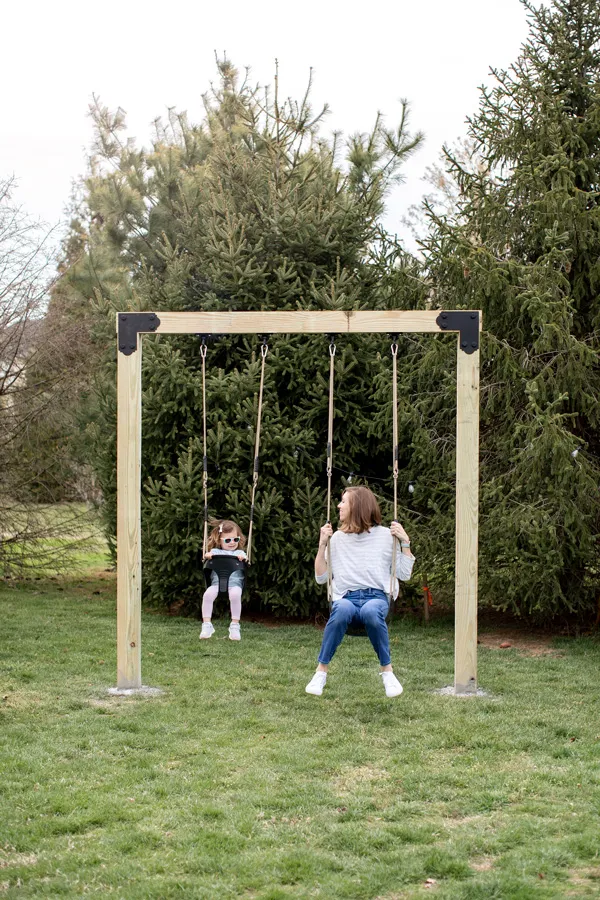
Are you ready to build your own swing? Whether you want to install it in your backyard, attach it to a tree, or place it indoors, this article will guide you through the process of creating a safe and fun swing for kids (and adults alike!).
Measuring Up: Essential Dimensions
Before starting your project, make sure you follow these essential dimensions:
- The seat of an outdoor swing should be 50 x 30 cm in size.
- The depth of the seat can vary depending on the type of wood used. In general, for a sturdy seat made from solid wood, 1.5-2 cm of thickness is sufficient.
Building the Swing Seat
You have two options:
- Buy a pre-made swing seat: You can purchase a swing seat online or at your local hardware store.
- Make your own swing seat: If you’re handy with tools and materials, follow these steps to create your own seat:
- Use 2 x 50 cm x 15 cm wooden panels for the sides
- Attach 2 x 15 cm x 28 cm wooden panels to the front and back of the seat
Assembling the Seat
To assemble the seat, follow these steps:
- Treat each piece of wood with an impregnating agent to protect it from moisture.
- Use screws or nails to secure the pieces together.
Attaching the Swing to a Tree or Structure
There are two ways to attach your swing to a tree or structure:
- Use ropes: If you’re attaching your swing to a sturdy branch, use ropes with a minimum capacity of 150 kg.
- Use specialized hardware: You can purchase sets of hardware specifically designed for swings on Amazon.
Alternative Options
For added stability and security, consider the following alternatives:
- Use high-strength fabrics or nylon straps
- Attach your swing to a sturdy beam using screws or nails
Tips and Tricks
To make your project easier and more enjoyable, here are some tips:
- Always measure twice before cutting or drilling.
- Wear protective gear (safety glasses, gloves) when working with power tools.
Safety Considerations
Before building your swing, consider the following safety factors:
- Height: Make sure the swing is at a safe height to prevent falls. The American Academy of Pediatrics recommends swings should be no higher than 10 feet off the ground.
- Material: Choose materials that are durable and resistant to rot and decay.
- Maintenance: Regularly inspect your swing for damage and perform maintenance tasks as needed.
Environmental Factors
When building your swing, consider these environmental factors:
- Sunlight: Place your swing in a spot where it will receive partial shade during the day, especially if you’re using untreated wood.
- Weather: Install your swing in an area that is protected from strong winds and heavy rain.
Local Regulations
Before building your swing, check local regulations:
- Building codes: Familiarize yourself with local building codes and ensure your swing meets all requirements.
- Zoning laws: Verify if there are any zoning restrictions on installing a swing in your area.
Budget Considerations
When budgeting for your swing project, consider the following expenses:
- Materials: Calculate the cost of materials needed to build the seat and attach it to the tree or structure.
- Hardware: Consider purchasing specialized hardware designed specifically for swings.
- L labor: If you’re hiring a professional contractor, factor in their labor costs.
Conclusion
Building a swing is a fun and rewarding project that can bring joy to kids (and adults alike!). By following these steps, tips, and considerations, you’ll be able to create a safe and enjoyable swing for years to come.


