
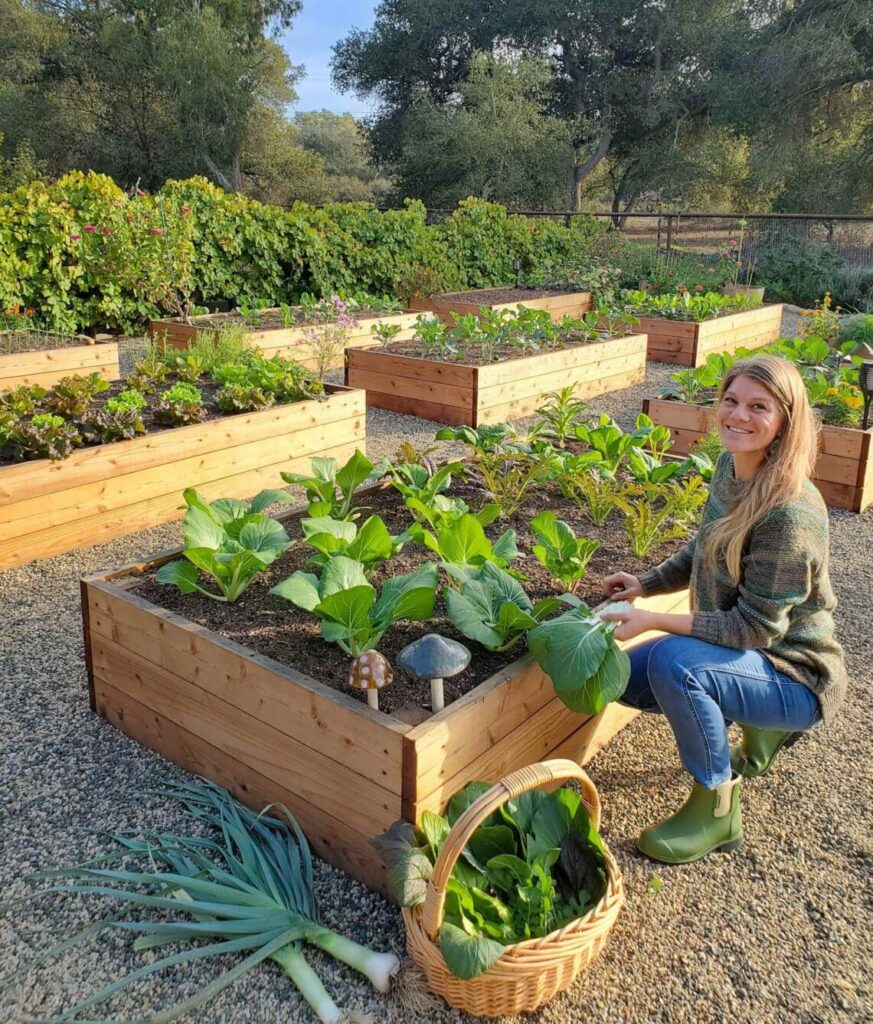
In this article, we will explore the process of building a raised garden bed, also known as an elevated garden or rialzato in Italian. We’ll cover various materials and methods to create a functional and thriving garden bed that suits your needs.
What is a Raised Garden Bed?
A raised garden bed is a container-filled planting area elevated above the ground. This design provides several benefits, including improved drainage, increased accessibility, and enhanced soil quality. By building an elevated garden bed, you can create a dedicated space for growing plants, separate them from other areas of your yard, and enjoy the satisfaction of watching your garden thrive.
Benefits of Raised Garden Beds
- Improved drainage: Raised garden beds allow water to drain quickly, reducing the risk of waterlogged soil.
- Increased accessibility: Elevated gardens are easier to reach for people with mobility issues or injuries.
- Enhanced soil quality: By building a raised bed, you can create a self-contained environment with controlled soil conditions.
- Better sunlight exposure: Raised beds allow plants to receive more direct sunlight, promoting healthy growth and fruit production.
Building an Elevated Garden Bed: A DIY Guide
Materials Needed
- Wooden planks or pallets
- Metal or plastic frames (optional)
- Soil and compost
- Plants of your choice
- Screws, nails, or wood glue for assembly
- Waterproof material (such as plastic or metal sheeting) for lining the bed
Step 1: Plan Your Garden Bed
Before you start building, consider the size, shape, and location of your raised garden bed. You can use a pre-made frame or build one from scratch using wooden planks or pallets.
- Choose a location with good sunlight exposure (at least 6 hours of direct sunlight per day).
- Consider the accessibility of the site for people with mobility issues.
- Measure the space and calculate the volume of soil needed for your bed.
- Plan for irrigation, if you want to add this feature.
Step 2: Prepare the Site
Clear the area where you’ll be building your elevated garden bed, removing any debris or obstructions. Mark out the dimensions of your garden bed and ensure it’s level.
- Clearing the site will help prevent damage to plants and reduce the risk of pests.
- Leveling the ground ensures that water drains properly and prevents erosion.
Step 3: Build Your Frame (Optional)
If using a metal or plastic frame, assemble it according to the manufacturer’s instructions. If not using a pre-made frame, you can create one using wooden planks or pallets.
- Choose materials that are durable, easy to work with, and eco-friendly.
- Consider the aesthetic appeal of your raised bed when selecting materials.
Step 4: Add Bottom Supports
Attach wooden boards or pallets to the inside of your frame for added stability and support.
- Adding bottom supports will prevent the bed from sinking into the ground and reduce the risk of erosion.
Step 5: Fill with Soil and Compost
Fill your raised garden bed with a mix of topsoil, compost, and perlite (optional) for improved drainage.
- Use high-quality soil that is rich in nutrients and organic matter.
- Add compost to improve the structure and fertility of the soil.
Step 6: Plant Your Garden
Add your chosen plants, following proper spacing guidelines to ensure optimal growth.
- Choose varieties that are well-suited for raised beds and have similar growing conditions.
- Consider companion planting to promote healthy growth and reduce pests.
Alternatives to Traditional Raised Garden Beds
Using Pallets or Wooden Planks
Repurpose old pallets or wooden planks to create a budget-friendly elevated garden bed. Simply disassemble the pallets or cut the wood into manageable sections.
- Pallets are inexpensive, versatile, and upcycled materials.
- Wooden planks provide a durable, natural material for your raised bed.
Casson and Crate Options
Consider using decorative cassons or crates to create a raised garden bed with an added aesthetic touch.
- Cassons and crates add a unique, rustic look to your elevated garden.
- Choose from a variety of materials and designs to suit your style.
How to Choose the Right Materials
- Wooden planks: durable, easy to work with, and eco-friendly.
- Metal or plastic frames: provide additional support and structure.
- Pallets: inexpensive, versatile, and upcycled materials.
- Cassons and crates: decorative options that add a unique touch.
Building an Elevated Garden Bed in Mattoni (Bricks)
Step 1: Lay the Foundation
Lay down a level surface of compacted gravel or sand to provide drainage.
- Compacted gravel or sand helps prevent erosion and ensures good drainage.
- Leveling the ground is essential for creating a stable raised bed.
Step 2: Create the Frame
Build a brick frame using 10-12 cm thick bricks, ensuring it’s square and level.
- Bricks provide a durable, long-lasting material for your elevated garden.
- Using thick bricks ensures stability and prevents damage to the bed.
Step 3: Add Mortar and Bricks
Apply mortar between each brick, adding layers as needed. Ensure the top is level with the surrounding ground.
- Mortar holds the bricks together and provides additional structural support.
- Applying layers of mortar allows for adjustments to be made during construction.
Conclusion
Building a raised garden bed can be a fun and rewarding DIY project that provides numerous benefits for your garden. Choose the right materials, consider your needs, and follow these steps to create a thriving elevated garden bed.
Frequently Asked Questions
Q: What are the benefits of using an elevated garden bed?
A: Improved drainage, increased accessibility, enhanced soil quality, and better sunlight exposure.
Q: Can I build a raised garden bed without a pre-made frame?
A: Yes! You can use wooden planks or pallets to create a frame, adding bottom supports for stability.
Q: What type of plants are suitable for an elevated garden bed?
A: Most vegetables, fruits, and herbs grow well in an elevated garden bed. Choose varieties that thrive in sunny conditions.
Q: How often should I water my raised garden bed?
A: Water your raised garden bed regularly, ensuring the soil is moist but not soggy.
Q: Can I use a pre-made frame or crate for my elevated garden bed?
A: Yes! Pre-made frames and crates are available online or at local gardening stores. Choose one that suits your needs and budget.
Q: How often should I fertilize my raised garden bed?
A: Fertilize your raised garden bed regularly, using a balanced fertilizer to promote healthy plant growth.
Q: Can I grow flowers in an elevated garden bed?
A: Yes! Many types of flowers thrive in an elevated garden bed. Choose varieties that require similar growing conditions as your chosen vegetables or herbs.


