
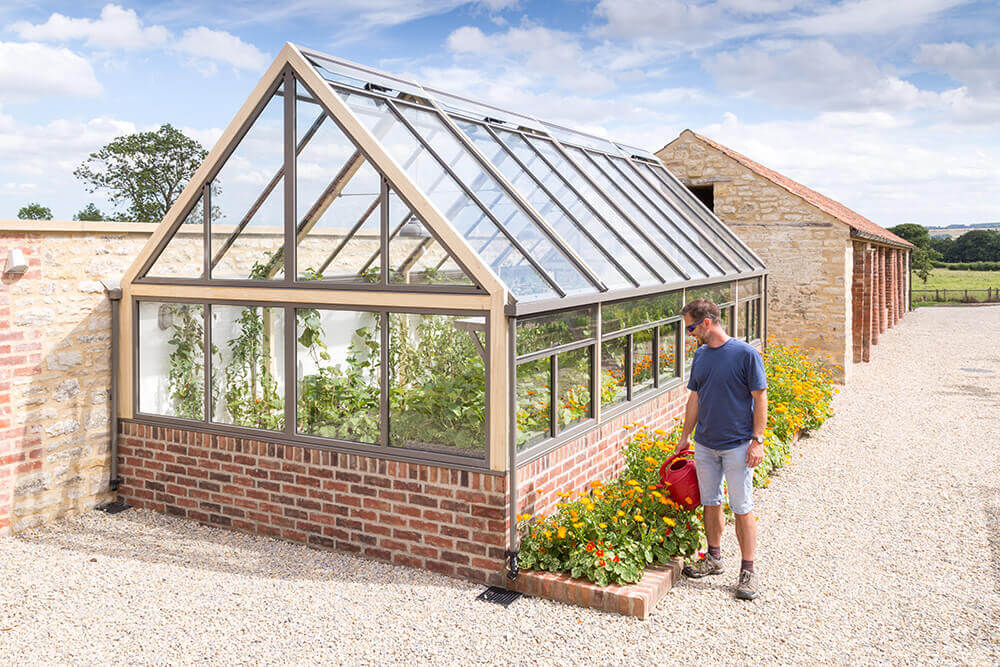
Building a Greenhouse: A Comprehensive Guide
As we’ve seen how to build a tunnel greenhouse for covering individual crops, let’s dive into building a standard greenhouse for year-round gardening.
The Necessary Materials
The number of wooden beams, connectors, and fasteners required varies depending on the size of your greenhouse. The simplest option is a PVC greenhouse, especially when you have limited budget and space. However, keep in mind that even a DIY-built greenhouse should be spacious enough to ensure proper management of space and control over the environment.
For more detailed explanations, I recommend watching two videos:
- In the first video, the builder uses rigid plastic material, which requires creating a sort of foundation in cement. Since the PVC tarp is used, no additional structural reinforcement is needed; just plant some impermeable wooden stakes directly into the ground.
- The second video demonstrates using rigid plastic material because PVC tarps degrade quickly and need to be replaced every few years. A sustainable way to dispose of plastic materials is recycling them.
If you live in a region with strong winds or frequent snowfall, such as northern Italy, consider replacing your PVC tarp with rigid plastic for better protection.
Heating Your Greenhouse
A greenhouse without heat would be pointless! Traditional heating systems for greenhouses include electric heaters, gas heaters, paraffin heaters, and other high-polluting or toxic devices. Instead of relying on these, you can use the “heat sink” strategy, which involves collecting and storing heat during the day (when the sun is shining) and releasing it when temperatures drop.
For a DIY-built greenhouse, this principle can be applied by following some simple strategies:
1. Thermal Mass
Raising the temperature inside your greenhouse can be achieved with thermal mass materials that absorb solar radiation and release it at night as heat.
- Cover the interior walls of your greenhouse with a layer of polystyrene beads or other insulating material.
- The large surface area of these materials allows more sunlight to pass through.
2. Temperature Monitoring
Use thermometers to measure temperature extremes in your greenhouse, ensuring optimal conditions for plants.
- Install a high/low thermometer to monitor temperature fluctuations and take corrective action when necessary.
- Consider using a hygrometer to control humidity levels as well.
3. South-Facing Orientation
Positioning your greenhouse with the south side facing the direction of the sun helps capture maximum sunlight during peak hours.
- By orienting your greenhouse this way, you can create an ideal environment for plant growth.
4. Water and Stones
Using water and stones to retain heat in your greenhouse is a simple yet effective method:
- Fill small containers with water and place them near the walls of your greenhouse.
- As the water absorbs sunlight, it releases heat into the surrounding air, maintaining optimal temperatures inside the greenhouse.
By implementing these strategies, you can create a comfortable environment for plants to thrive in your DIY-built greenhouse.
Conclusion
Building a greenhouse is an exciting project that allows you to control your garden’s climate and grow a wide variety of crops year-round. By choosing the right materials, orienting your greenhouse correctly, and using clever heating strategies, you can create a thriving oasis even in challenging weather conditions.
Frequently Asked Questions
-
What is the best material for a DIY greenhouse?
- PVC or polycarbonate sheets are popular options due to their ease of installation and durability.
-
How do I keep my greenhouse warm during winter months?
-
Utilize thermal mass materials, such as polystyrene beads, and orient your greenhouse to maximize sunlight exposure.
-
What type of heater is most environmentally friendly?
-
Solar-powered heaters or heat sinks that utilize natural heat cycles are excellent choices for minimizing environmental impact.
-
Can I use a standard tent or tarp as a makeshift greenhouse?
-
While it’s technically possible, these options often lack structural support and adequate insulation, leading to reduced performance and potential damage from wind or snow.
-
How do I maintain humidity levels in my greenhouse?
-
Using a humidistat, you can monitor and regulate humidity levels by controlling the release of moisture from plants or other sources.
-
What are some common mistakes people make when building their own greenhouses?
-
Inadequate ventilation, insufficient insulation, and failing to account for wind and weather patterns can all negatively impact greenhouse performance.
-
Can I grow a wide variety of crops in my greenhouse, or are there certain limitations?
-
While most crops can thrive in a greenhouse, some may require specialized conditions or lighting, so research the specific needs of your plants before planting.
-
How do I troubleshoot issues with my greenhouse’s climate control system?
-
Regularly inspect and maintain your greenhouse’s components, and consider consulting online forums or gardening experts for assistance when faced with unusual problems.
By following these tips and being mindful of potential pitfalls, you can create a thriving greenhouse that provides optimal conditions for plant growth and enjoyment.
Additional Tips and Considerations
- Choose the right location: Ensure your greenhouse is situated in a well-ventilated area, protected from strong winds, and receives adequate sunlight.
- Select the appropriate plants: Research which crops are best suited for your greenhouse environment, taking into account factors like temperature, humidity, and light requirements.
- Maintain proper air circulation: Install vents or fans to regulate airflow and prevent stagnation, which can lead to fungal diseases and other issues.
- Monitor pH levels: Regularly test the soil pH to ensure it’s within an optimal range for your plants, as excessive acidity or alkalinity can harm plant growth.
By carefully considering these factors and following the guidelines outlined in this article, you’ll be well on your way to building a thriving greenhouse that provides a perfect environment for your plants to flourish.


