
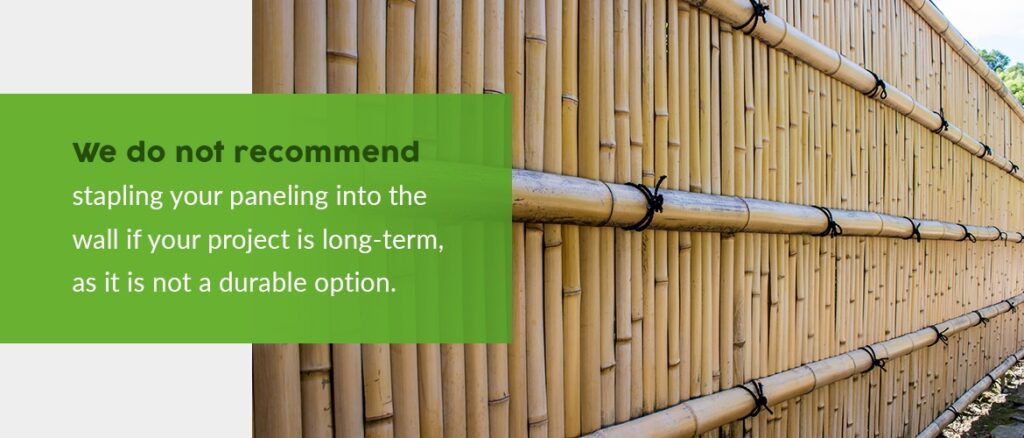
As we strive to live in harmony with nature, many of us are turning to natural and sustainable solutions for our homes and gardens. One such solution is building a bamboo fencing system. Not only is it eco-friendly, but it’s also incredibly durable and versatile.
In this article, we’ll explore the benefits of using bamboo as a fencing material, how to choose the right species, and provide step-by-step instructions on how to build a bamboo fence.
The Benefits of Bamboo Fencing
Bamboo is an incredibly useful plant with numerous benefits for our environment. Here are just a few reasons why bamboo fencing is becoming increasingly popular:
- Carbon sequestration: Bamboo absorbs more carbon dioxide than any other plant, making it an excellent choice for reducing greenhouse gas emissions.
- Durable and long-lasting: Bamboo fences can last for decades with minimal maintenance, making them a cost-effective solution in the long run.
- Natural and sustainable: Bamboo is a renewable resource that requires less water and pesticides compared to traditional fencing materials.
Choosing the Right Species
Not all bamboo species are created equal. When it comes to building a fence, you’ll want to choose a species that’s strong, durable, and resistant to pests and decay.
Here are three popular species for bamboo fencing:
- Phyllostachys vivax: A fast-growing species with a wide diameter, making it ideal for heavy use.
- Phyllostachys rubromarginata: A slower-growing species with a slender diameter, making it suitable for lighter use.
- Dendrocalamus giganteus: A tall and sturdy species that’s perfect for creating a dramatic fence.
How to Build a Bamboo Fence
Building a bamboo fence is a fun and rewarding project that requires some planning and effort. Here’s a step-by-step guide to help you get started:
- Plan your fence: Decide on the length, width, and style of your fence based on your needs and preferences.
- Prepare the site: Clear the area of any debris or obstructions and level the ground to ensure stability.
- Dig the holes: Dig trenches for each bamboo pole, spaced about 3-4 feet apart.
- Insert the poles: Place the bamboo poles in the trenches, making sure they’re straight and evenly spaced.
- Secure the poles: Fill the trenches with a mixture of soil and gravel to secure the poles in place.
- Add additional support: Add additional support beams or stakes to ensure stability and prevent sagging.
Using Bamboo Canes for Decorative Fencing
While bamboo fencing is often used as a functional barrier, it can also be used as a decorative element in your garden or yard. Here are some ideas:
- Screening: Use bamboo screens to create a natural barrier between your outdoor living spaces.
- Edging: Use bamboo edging to define the boundaries of your garden beds and paths.
- Boundary marking: Use bamboo poles to mark the edges of your property or garden.
Frequently Asked Questions
Here are some common questions about building a bamboo fence:
- How long does it take to build a bamboo fence?: The time it takes to build a bamboo fence depends on the size and complexity of the project. On average, it can take anywhere from a few days to several weeks.
- Do I need any special tools or equipment?: While some specialized tools may be necessary, most basic gardening tools will suffice for building a bamboo fence.
- Can I use bamboo fencing in extreme weather conditions?: Yes, bamboo fencing can withstand extreme temperatures and weather conditions, making it an excellent choice for outdoor applications.
Types of Bamboo Fencing Systems
There are several types of bamboo fencing systems that you can choose from, depending on your needs and preferences. Here are a few options:
- Solid bamboo fencing: This type of fencing is made from solid bamboo poles that are spaced closely together to create a sturdy barrier.
- Bamboo slat fencing: This type of fencing uses thin bamboo slats that are spaced apart to create a decorative screen or edging.
- Bamboo lattice fencing: This type of fencing uses interlocking bamboo pieces to create a decorative lattice pattern.
Benefits of Bamboo Fencing for Pets
If you have pets, you may be wondering if bamboo fencing is suitable for them. The good news is that bamboo fencing can be a great option for pet owners. Here are some benefits:
- Non-toxic: Bamboo is non-toxic to animals, making it an excellent choice for pet owners.
- Durable: Bamboo fences can withstand the wear and tear of pets, even if they try to climb or chew on them.
- Low maintenance: Bamboo fencing requires minimal maintenance, which means you won’t have to spend a lot of time cleaning up after your pets.
Benefits of Bamboo Fencing for Wildlife
Bamboo fencing can also be beneficial for wildlife, such as birds and small mammals. Here are some benefits:
- Providing shelter: Bamboo fencing can provide shelter for animals that need protection from the elements.
- Creating habitat: Bamboo fencing can create habitat for animals by providing a natural barrier between their territory and neighboring areas.
- Protecting wildlife: Bamboo fencing can protect wildlife from predators, such as coyotes or foxes.
Maintenance and Care of Bamboo Fencing
While bamboo fencing is durable and long-lasting, it still requires some maintenance and care to keep it looking its best. Here are some tips:
- Regular inspections: Regularly inspect your bamboo fence for any damage or wear and tear.
- Pruning: Prune your bamboo regularly to maintain its shape and prevent overgrowth.
- Watering: Water your bamboo fencing regularly, especially during hot weather.
By following these steps and choosing the right species, you can create a stunning and functional bamboo fence that enhances your home’s natural beauty and provides years of enjoyment.


