
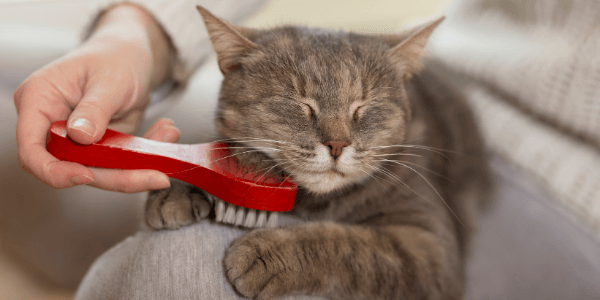
As we all know, cats are notorious for their independence and aloofness. But when it comes to grooming, they can be quite particular about who touches their fur. In fact, brushing your cat can be a delicate balancing act of love, kindness, and “malice.” While some cats will tolerate (even enjoy) the gentle strokes of a brush, others will hiss, spit, or even attempt to flee at the mere sight of it.
In this article, we’ll explore why brushing your cat is essential for their health and well-being, and provide tips on how to make the process as painless and enjoyable as possible. Whether you’re a seasoned cat owner or a newcomer to feline parenthood, this guide will help you navigate the world of cat grooming with confidence.
Why Brush Your Cat?
Brushing your cat is not just a matter of aesthetics; it’s also crucial for their overall health. Cats spend a significant amount of time grooming themselves, but this self-grooming can be tricky business. Their tongue is rough enough to cause irritation and even ingested hairballs (yes, you read that right – cats can ingest their own fur!). Regular brushing can help prevent these problems.
Furthermore, brushing your cat can:
- Distribute skin oils to keep the coat healthy and shiny
- Reduce shedding and prevent matting
- Detect any potential health issues early on (like skin irritations or parasites)
- Strengthen the bond between you and your feline friend
The Benefits of Brushing Your Cat
Regular brushing can have a significant impact on your cat’s physical and mental well-being. Here are some benefits to consider:
- Improved coat condition: Regular brushing can help distribute skin oils, reduce shedding, and prevent matting.
- Reduced stress: Brushing can be a calming and soothing experience for cats, helping to reduce stress and anxiety.
- Early disease detection: By regularly inspecting your cat’s coat and skin, you may detect potential health issues early on.
- Increased social bonding: Brushing can be a great way to spend quality time with your cat, strengthening the bond between you and your feline friend.
Choosing the Right Brush
When it comes to brushing your cat, there are several types of brushes available. Here’s a brief guide to help you choose the right one for your feline friend:
- Slicker brush: Ideal for long-haired cats, slicker brushes have fine teeth that remove tangles and mats.
- Pin brush: Great for short-haired cats, pin brushes have soft bristles that are gentle on the coat.
- Bristle brush: Suitable for both short- and long-haired cats, bristle brushes have stiff bristles that distribute skin oils and reduce shedding.
Brushing Techniques
Proper brushing techniques are essential to avoid causing discomfort or stress for your cat. Here are some tips:
- Start slow: Begin with gentle strokes and gradually increase the pressure as needed.
- Pay attention to body language: If your cat appears uncomfortable or stressed, stop immediately and consult with a veterinarian.
- Use the right brush stroke: For long-haired cats, use smooth, sweeping strokes; for short-haired cats, use shorter, more gentle strokes.
Brushing in Sections
While it’s tempting to brush your cat from head to tail, this approach can be problematic for many felines. Instead, try brushing in sections, starting at the head or neck and working your way down. This technique helps prevent matting and tangling while also allowing your cat to relax and enjoy the experience.
Brushing a Fussy Cat
Sometimes, cats can be downright resistant to brushing. If your cat is particularly finicky, here are some tips to help them relax:
- Go at their pace: Allow your cat to set the pace, taking breaks whenever they need to.
- Use gentle strokes: Avoid applying too much pressure or using brushes with coarse bristles.
- Reward good behavior: Positively reinforce your cat’s calm demeanor with treats and praise.
Additional Tips and Tricks
Here are some additional tips to help you become a pro at brushing your cat:
- Invest in high-quality brushes: Choose brushes that are designed specifically for cats, as these will be gentler on their coats.
- Be patient: Brushing can take time, so don’t rush the process. Take breaks whenever needed and enjoy the quality time with your feline friend.
- Consider a grooming table: If your cat is particularly sensitive or finicky, consider investing in a grooming table to make brushing easier and more enjoyable.
Frequently Asked Questions
Here are some answers to common questions about brushing your cat:
Q: How often should I brush my cat?
A: The frequency of brushing will depend on your cat’s coat type, age, and health. Generally, short-haired cats require minimal grooming (1-2 times per week), while long-haired cats need more frequent brushing (3-4 times per week).
Q: Can I use human hairbrushes on my cat?
A: No, it’s best to use a brush specifically designed for cats. Human hairbrushes can be too harsh or cause irritation.
Q: Will brushing my cat hurt them?
A: If done properly and with patience, brushing should not hurt your cat. However, if they show signs of discomfort or stress, stop immediately and consult with a veterinarian.
Q: Can I brush my kitten?
A: Yes, kittens can benefit from regular brushing to help distribute skin oils and reduce shedding. Start slowly and gently, gradually increasing the pressure as needed.
Q: How long does it take to get used to brushing my cat?
A: This will vary depending on your cat’s individual personality and temperament. Some cats may adjust quickly, while others may need time and patience.
By following these tips and guidelines, you can help create a positive and enjoyable brushing experience for both you and your feline friend. Happy grooming!
Additional Resources
For more information on cat grooming and care, check out these reliable resources:


