
As we go about our daily lives, it’s easy to forget the importance of breathing. We often find ourselves breathing into our chests, rather than expanding our bellies. But what happens when we do this? In this article, we’ll explore the benefits of diaphragmatic breathing, also known as belly breathing, and provide you with practical tips on how to incorporate it into your daily routine.
What is Diaphragmatic Breathing?
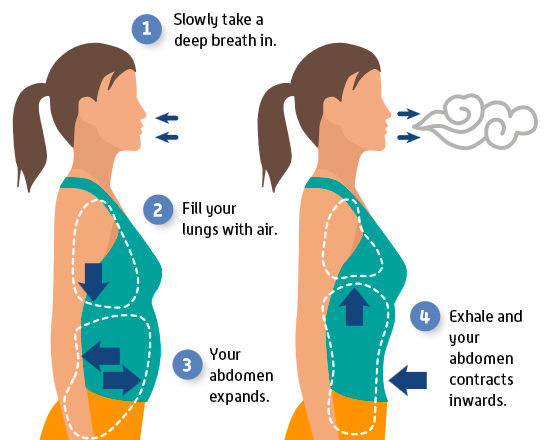
Diaphragmatic breathing involves expanding our bellies while inhaling, rather than just moving our chests. This type of breathing engages the diaphragm, a dome-shaped muscle that separates our chest cavity from our abdominal cavity. When we breathe diaphragmatically, our diaphragm descends into our abdomen, allowing our lungs to fill with air.
Why is Diaphragmatic Breathing Important?
Diaphragmatic breathing has numerous benefits for our physical and emotional health. Here are some of the ways it can improve your wellbeing:
- Reduces Stress and Anxiety: Deep, diaphragmatic breathing can help calm our nervous system, reducing feelings of stress and anxiety.
- Improves Sleep: By promoting relaxation and reducing stress, diaphragmatic breathing can help improve the quality of our sleep.
- Boosts Energy: Diaphragmatic breathing can increase oxygenation of the body, leading to increased energy levels and improved physical performance.
- Enhances Respiratory Health: Proper breathing technique can reduce symptoms of respiratory conditions such as asthma and chronic obstructive pulmonary disease (COPD).
- Improves Mental Clarity and Focus: Diaphragmatic breathing has been shown to improve cognitive function, leading to increased mental clarity and focus.
How to Practice Diaphragmatic Breathing
Incorporating diaphragmatic breathing into your daily routine is easier than you think. Here are some simple tips to get you started:
- Find a Quiet Space: Identify a quiet space where you can sit comfortably without distractions.
- Sit or Lie Down: Choose either a sitting or lying down position, whichever feels most comfortable for you.
- Place Your Hands on Your Belly: Put your hands on your belly, with one hand placed over the other.
- Inhale and Exhale: Inhale slowly through your nose, allowing your belly to expand outward as your diaphragm descends. Your hand on top should rise while the bottom hand remains still. Exhale slowly through your mouth, allowing your belly to contract inward as your diaphragm rises.
- Practice Regularly: Aim to practice diaphragmatic breathing for at least 10 minutes a day.
The Benefits of Diaphragmatic Breathing
Incorporating diaphragmatic breathing into your daily routine can have numerous benefits for your physical and emotional health. Here are some ways it can improve your wellbeing:
- Improved Sleep: Deep, diaphragmatic breathing can help promote relaxation and reduce stress, leading to improved sleep quality.
- Increased Energy: Proper breathing technique can increase oxygenation of the body, leading to increased energy levels and improved physical performance.
- Enhanced Respiratory Health: Diaphragmatic breathing has been shown to improve respiratory function in individuals with conditions such as asthma and COPD.
Tips for Overcoming Obstacles
While incorporating diaphragmatic breathing into your daily routine can be challenging, there are several tips that can help you overcome obstacles:
- Start Small: Begin with short sessions (2-3 minutes) and gradually increase the duration over time.
- Practice Regularly: Aim to practice diaphragmatic breathing for at least 10 minutes a day.
- Be Patient: It may take some time to develop the habit of diaphragmatic breathing, so be patient and persistent.
Conclusion
Diaphragmatic breathing is a powerful tool that can improve our physical and emotional health in numerous ways. By incorporating this type of breathing into your daily routine, you can experience benefits such as improved sleep quality, increased energy levels, and enhanced respiratory function. Remember to start small, practice regularly, and be patient as you develop the habit of diaphragmatic breathing.
Frequently Asked Questions
- What is the best position for diaphragmatic breathing?
- The best position for diaphragmatic breathing is either sitting or lying down, whichever feels most comfortable for you.
- How long should I practice diaphragmatic breathing each day?
- Aim to practice diaphragmatic breathing for at least 10 minutes a day.
- Can diaphragmatic breathing help with stress and anxiety?
- Yes, diaphragmatic breathing can help reduce feelings of stress and anxiety by promoting relaxation and reducing nervous system activity.
- How can I overcome obstacles while practicing diaphragmatic breathing?
- Start small, practice regularly, and be patient as you develop the habit of diaphragmatic breathing.
Recommended Reading
For those interested in learning more about diaphragmatic breathing, here are some recommended reading resources:
- “The Power of Breathing: Transforming Body, Mind, and Spirit Through Conscious Breathwork” by Andrew Weil: This book explores the connection between breath, body, and spirit, providing practical tips for improving respiratory health.
- “Breath: The New Science of a Lost Art” by James Nestor: This book delves into the science behind breathing, explaining how diaphragmatic breathing can improve physical performance and overall wellbeing.
Additional Resources
For those looking to practice diaphragmatic breathing or explore related topics further, here are some additional resources:
- Yoga for Diaphragmatic Breathing: Many yoga practices incorporate diaphragmatic breathing, providing a holistic approach to improving respiratory health.
- Breathing Exercises for Stress Relief: Various breathing exercises can help reduce stress and anxiety by promoting relaxation and reducing nervous system activity.
By incorporating diaphragmatic breathing into your daily routine and making small changes to improve your respiratory health, you can experience numerous benefits for your physical and emotional wellbeing.


