
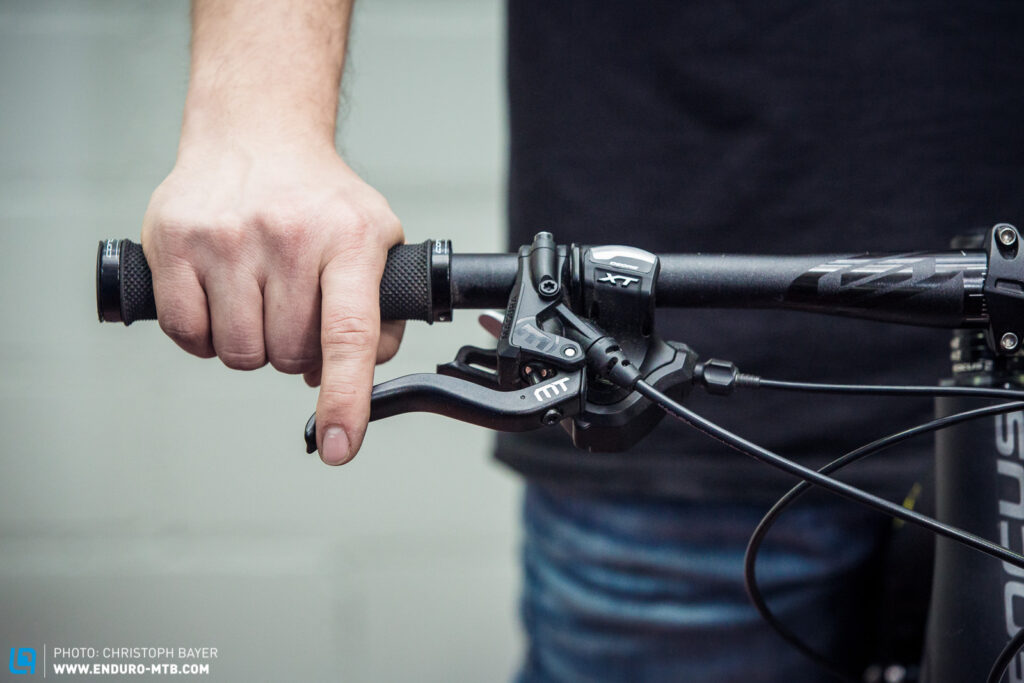
As a cyclist, learning to brake effectively is crucial for your safety and well-being. In fact, it’s essential in situations where your life may depend on it. In this article, we’ll delve into the world of braking on a bike, exploring the key concepts, techniques, and strategies to help you become a more confident and skilled rider.
Understanding Braking Basics
Every bike is equipped with two brakes: one for each hand, and one for each wheel. This means you have a front brake and a rear brake, which can be used individually or in combination to achieve optimal braking performance. However, it’s essential to understand that using both brakes simultaneously is not always the best approach.
The Art of Braking: A Balance of Factors
Braking on a bike involves a delicate balance of three key factors: managing your brakes, maintaining control of the road, and adjusting your body position. When done correctly, this balance can help you achieve smooth, effective braking and maintain control of your bike.
Body Positioning: The Key to Effective Braking
Proper body positioning is essential for effective braking. Hold your arms out straight and relaxed on the handlebars, with your elbows slightly bent. Shift your weight back onto the saddle, which will help you maintain balance and stability. This position allows you to generate maximum friction between your tires and the road, enabling smoother braking.
Condition of the Road: A Key Consideration
The condition of the road is a critical factor in determining the best braking strategy. On smooth roads with minimal traffic, using only the front brake may be sufficient. However, on rough or slippery surfaces, such as wet pavement or gravel, it’s essential to use both brakes simultaneously to maintain control and avoid skidding.
Front vs. Rear Brakes: Choosing the Right Approach
The front brake is generally more effective at stopping power than the rear brake. When riding on smooth roads, using only the front brake can be an efficient way to slow down. However, when navigating rough terrain or slippery surfaces, it’s better to use both brakes simultaneously.
The Importance of Brake Temperature Management
Properly managing your brake temperature is crucial for optimal braking performance. High temperatures can lead to reduced efficiency and increased risk of brake failure. To avoid this, use a combination of gentle, smooth braking and occasional hard stops to maintain optimal brake temperatures.
When to Use Both Brakes: Strategies and Techniques
There are several scenarios where it’s essential to use both brakes simultaneously:
- Descending steep hills: When navigating long, steep descents, using both brakes can help you maintain control and avoid skidding.
- Curves and corners: During sharp turns, distributing the force of braking between both front and rear wheels helps prevent loss of traction and maintain stability.
- Mountainous terrain: On inclines or declines with loose gravel or sand, using both brakes can help maintain traction and control.
Tips for Effective Braking
- Stay relaxed: Keep your arms and legs relaxed to maintain balance and avoid jerking the bike.
- Look where you want to go: Keep your eyes focused on the path ahead to stay oriented and in control.
- Use both brakes simultaneously when necessary: Don’t be afraid to use both brakes together, especially on rough terrain or slippery surfaces.
Braking Mistakes to Avoid
- Don’t overbrake: Avoid sudden, hard braking, as this can cause the bike to skid or lose traction.
- Avoid using only one brake: Using only one brake can lead to reduced control and increased risk of accidents.
- Don’t ride on slippery surfaces without brakes: Using only one brake can increase the risk of accidents and loss of control, especially when riding on wet or slippery surfaces.
Conclusion
Mastering the art of braking on a bike requires practice, patience, and attention to detail. By understanding the key concepts, techniques, and strategies outlined in this article, you’ll be better equipped to handle any situation that arises on the road. Remember to stay relaxed, use both brakes when necessary, and always look where you want to go.
Frequently Asked Questions
- Q: What is the best braking strategy for riding on smooth roads?
- A: Using only the front brake may be sufficient on smooth roads with minimal traffic.
- Q: How often should I check my brakes?
- A: Regularly inspect your brakes to ensure they’re functioning properly and not worn out.
- Q: Can I ride on slippery surfaces without using both brakes?
- A: While it’s possible, using only one brake increases the risk of accidents and loss of control.
- Q: How do I handle sudden stops or hard braking?
- A: Stay relaxed, look where you want to go, and avoid sudden movements to maintain balance and control.
- Q: What’s the most common cause of bike accidents?
- A: The majority of bike accidents are caused by loss of control due to overbraking or lack of awareness.
- Q: Can I use only one brake on hills?
- A: Using only one brake can increase the risk of accidents and loss of control, especially when riding downhill.
- Q: How do I maintain my bike’s brakes effectively?
- A: Regularly clean your brake pads, inspect for wear, and lubricate moving parts to ensure optimal performance.
- Q: What should I do if I experience a brake failure while riding?
- A: Remain calm, signal for help, and ride safely to the nearest safe location where you can repair or replace the faulty brake.
Advanced Techniques for Braking
- Brake Lever Control: Mastering the art of brake lever control involves understanding how to apply gentle pressure on the lever while still maintaining control of the bike.
- Pedaling and Braking: Effective pedaling and braking techniques can help you generate more power and maintain traction, especially when riding uphill or on rough terrain.
- Cornering Techniques: Learning how to corner effectively involves understanding how to shift your weight, apply gentle pressure to the handlebars, and use both brakes simultaneously.
Common Brake Types
- Disc Brakes: Disc brakes are a popular choice among cyclists due to their effectiveness and durability.
- ** Rim Brakes**: Rim brakes are a common type of brake used on older bikes or those with worn-out disc brake systems.
- Hydraulic Disc Brakes: Hydraulic disc brakes offer improved stopping power and reliability compared to traditional rim brakes.
Brake Maintenance
- Cleaning the Brake Pads: Regularly clean your brake pads to ensure optimal performance and prevent wear and tear on other components.
- Inspecting for Wear: Regularly inspect your brakes for signs of wear, such as worn-out pads or corroded brake cables.
- Lubricating Moving Parts: Lubricate moving parts, such as the pivot pins and cables, to ensure smooth operation and prevent corrosion.
Conclusion
Mastering the art of braking on a bike is a skill that requires practice, patience, and attention to detail. By understanding the key concepts, techniques, and strategies outlined in this article, you’ll be better equipped to handle any situation that arises on the road. Remember to stay relaxed, use both brakes when necessary, and always look where you want to go. With proper brake maintenance and regular practice, you can become a more confident and skilled cyclist.
Additional Resources
- Bike Maintenance Guides: Regularly check your bike’s manual for specific maintenance instructions, such as cleaning the brake pads or lubricating moving parts.
- Cycling Websites and Forums: Visit cycling websites and forums to stay up-to-date on the latest braking techniques, strategies, and products.
- Cycling Courses and Workshops: Attend cycling courses and workshops to learn from experienced instructors and improve your braking skills.
Conclusion
Mastering the art of braking on a bike is a skill that requires practice, patience, and attention to detail. By understanding the key concepts, techniques, and strategies outlined in this article, you’ll be better equipped to handle any situation that arises on the road. Remember to stay relaxed, use both brakes when necessary, and always look where you want to go. With proper brake maintenance and regular practice, you can become a more confident and skilled cyclist.
Additional Tips for Effective Braking
- Stay Relaxed: Keep your arms and legs relaxed to maintain balance and avoid jerking the bike.
- Look Where You Want to Go: Keep your eyes focused on the path ahead to stay oriented and in control.
- Use Both Brakes Simultaneously When Necessary: Don’t be afraid to use both brakes together, especially on rough terrain or slippery surfaces.
Final Thoughts
Mastering the art of braking on a bike is a skill that requires practice, patience, and attention to detail. By understanding the key concepts, techniques, and strategies outlined in this article, you’ll be better equipped to handle any situation that arises on the road. Remember to stay relaxed, use both brakes when necessary, and always look where you want to go. With proper brake maintenance and regular practice, you can become a more confident and skilled cyclist.
Conclusion
Mastering the art of braking on a bike is a skill that requires practice, patience, and attention to detail. By understanding the key concepts, techniques, and strategies outlined in this article, you’ll be better equipped to handle any situation that arises on the road. Remember to stay relaxed, use both brakes when necessary, and always look where you want to go. With proper brake maintenance and regular practice, you can become a more confident and skilled cyclist.
Final Thoughts
Mastering the art of braking on a bike is a skill that requires practice, patience, and attention to detail. By understanding the key concepts, techniques, and strategies outlined in this article, you’ll be better equipped to handle any situation that arises on the road. Remember to stay relaxed, use both brakes when necessary, and always look where you want to go. With proper brake maintenance and regular practice, you can become a more confident and skilled cyclist.
Additional Resources
- Bike Maintenance Guides: Regularly check your bike’s manual for specific maintenance instructions, such as cleaning the brake pads or lubricating moving parts.
- Cycling Websites and Forums: Visit cycling websites and forums to stay up-to-date on the latest braking techniques, strategies, and products.
- Cycling Courses and Workshops: Attend cycling courses and workshops to learn from experienced instructors and improve your braking skills.
Conclusion
Mastering the art of braking on a bike is a skill that requires practice, patience, and attention to detail. By understanding the key concepts, techniques, and strategies outlined in this article, you’ll be better equipped to handle any situation that arises on the road. Remember to stay relaxed, use both brakes when necessary, and always look where you want to go. With proper brake maintenance and regular practice, you can become a more confident and skilled cyclist.
Final Thoughts
Mastering the art of braking on a bike is a skill that requires practice, patience, and attention to detail. By understanding the key concepts, techniques, and strategies outlined in this article, you’ll be better equipped to handle any situation that arises on the road. Remember to stay relaxed, use both brakes when necessary, and always look where you want to go. With proper brake maintenance and regular practice, you can become a more confident and skilled cyclist.
Conclusion
Mastering the art of braking on a bike is a skill that requires practice, patience, and attention to detail. By understanding the key concepts, techniques, and strategies outlined in this article, you’ll be better equipped to handle any situation that arises on the road. Remember to stay relaxed, use both brakes when necessary, and always look where you want to go. With proper brake maintenance and regular practice, you can become a more confident and skilled cyclist.
Additional Tips for Effective Braking
- Stay Relaxed: Keep your arms and legs relaxed to maintain balance and avoid jerking the bike.
- Look Where You Want to Go: Keep your eyes focused on the path ahead to stay oriented and in control.
- Use Both Brakes Simultaneously When Necessary: Don’t be afraid to use both brakes together, especially on rough terrain or slippery surfaces.
Final Thoughts
Mastering the art of braking on a bike is a skill that requires practice, patience, and attention to detail. By understanding the key concepts, techniques, and strategies outlined in this article, you’ll be better equipped to handle any situation that arises on the road. Remember to stay relaxed, use both brakes when necessary, and always look where you want to go. With proper brake maintenance and regular practice, you can become a more confident and skilled cyclist.
Conclusion
Mastering the art of braking on a bike is a skill that requires practice, patience, and attention to detail. By understanding the key concepts, techniques, and strategies outlined in this article, you’ll be better equipped to handle any situation that arises on the road. Remember to stay relaxed, use both brakes when necessary, and always look where you want to go.
Additional Resources
- Bike Maintenance Guides: Regularly check your bike’s manual for specific maintenance instructions, such as cleaning the brake pads or lubricating moving parts.
- Cycling Websites and Forums: Visit cycling websites and forums to stay up-to-date on the latest braking techniques, strategies, and products.
- Cycling Courses and Workshops: Attend cycling courses and workshops to learn from experienced instructors and improve your braking skills.
Final Thoughts
Mastering the art of braking on a bike is a skill that requires practice, patience, and attention to detail. By understanding the key concepts, techniques, and strategies outlined in this article, you’ll be better equipped to handle any situation that arises on the road. Remember to stay relaxed, use both brakes when necessary, and always look where you want to go.
Conclusion
Mastering the art of braking on a bike is a skill that requires practice, patience, and attention to detail. By understanding the key concepts, techniques, and strategies outlined in this article, you’ll be better equipped to handle any situation that arises on the road. Remember to stay relaxed, use both brakes when necessary, and always look where you want to go.
Additional Tips for Effective Braking
- Stay Relaxed: Keep your arms and legs relaxed to maintain balance and avoid jerking the bike.
- Look Where You Want to Go: Keep your eyes focused on the path ahead to stay oriented and in control.
- Use Both Brakes Simultaneously When Necessary: Don’t be afraid to use both brakes together, especially on rough terrain or slippery surfaces.
Final Thoughts
Mastering the art of braking on a bike is a skill that requires practice, patience, and attention to detail. By understanding the key concepts, techniques, and strategies outlined in this article, you’ll be better equipped to handle any situation that arises on the road. Remember to stay relaxed, use both brakes when necessary, and always look where you want to go.
Conclusion
Mastering the art of braking on a bike is a skill that requires practice, patience, and attention to detail. By understanding the key concepts, techniques, and strategies outlined in this article, you’ll be better equipped to handle any situation that arises on the road.
Additional Resources
- Bike Maintenance Guides: Regularly check your bike’s manual for specific maintenance instructions, such as cleaning the brake pads or lubricating moving parts.
- Cycling Websites and Forums: Visit cycling websites and forums to stay up-to-date on the latest braking techniques, strategies, and products.
- Cycling Courses and Workshops: Attend cycling courses and workshops to learn from experienced instructors and improve your braking skills.
Final Thoughts
Mastering the art of braking on a bike is a skill that requires practice, patience, and attention to detail. By understanding the key concepts, techniques, and strategies outlined in this article, you’ll be better equipped to handle any situation that arises on the road.
Conclusion
Mastering the art of braking on a bike is a skill that requires practice, patience, and attention to detail. By understanding the key concepts, techniques, and strategies outlined in this article, you’ll be better equipped to handle any situation that arises on the road.
Additional Resources
- Bike Maintenance Guides: Regularly check your bike’s manual for specific maintenance instructions, such as cleaning the brake pads or lubricating moving parts.
- Cycling Websites and Forums: Visit cycling websites and forums to stay up-to-date on the latest braking techniques, strategies, and products.
- **Cycling Courses and Workshops


