
As we go about our daily lives, it’s easy to get sucked into the vortex of our mobile phones. With an estimated 5 billion mobile phone users worldwide, it’s no wonder that we’ve become accustomed to carrying these tiny devices with us at all times. But is this constant connection really necessary? In today’s article, we’ll explore the ins and outs of breaking free from the grip of mobile phone addiction and learn how to regain control over our lives.
Understanding Mobile Phone Addiction
Before we dive into strategies for overcoming mobile phone addiction, it’s essential to understand why we develop this dependency in the first place. For many of us, our mobile phones have become an extension of ourselves, serving as a constant companion that’s always within reach. We use them to stay connected with friends and family, access information, and even entertain ourselves.
However, this constant connection can have negative consequences on our mental and physical health. Exposure to screens for extended periods can lead to eye strain, headaches, and decreased productivity. Moreover, the constant stream of notifications and social media updates can create a sense of FOMO (fear of missing out) that can be overwhelming.
Recognizing the Signs of Mobile Phone Addiction
So, how do you know if you’re addicted to your mobile phone? Here are some common signs:
- You find yourself checking your phone compulsively throughout the day
- You feel anxious or irritable when you’re without your phone
- You use your phone as a coping mechanism for stress, boredom, or other emotions
- You’ve experienced negative effects on your relationships, work performance, or overall well-being due to excessive mobile phone use
If you identify with any of these signs, it’s time to take action and break the cycle of mobile phone addiction.
Creating Barriers to Mobile Phone Use
One effective way to overcome mobile phone addiction is by creating barriers that make it more difficult to access your device. Here are some strategies to get you started:
- Place your phone in a designated spot, such as a charging dock or a physical barrier, to encourage you to put it down
- Implement a “no phone zone” policy for certain areas of your home or workspace
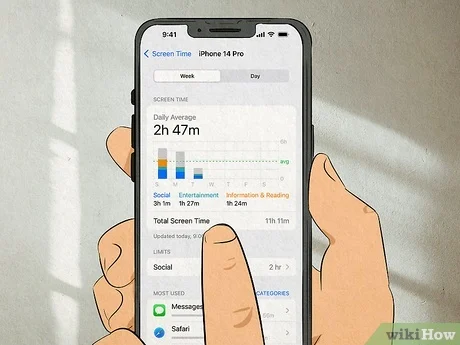
- Set up features like Do Not Disturb mode or Screen Time tracking on your device to monitor and limit your usage
- Consider using a physical alarm clock instead of your phone’s alarm
Setting Boundaries with Mobile Phone Use
In addition to creating barriers, it’s also essential to set boundaries around when and how you use your mobile phone. Here are some tips:
- Establish specific times for checking your phone, such as during breaks at work or before bed
- Set a “phone-free” zone in your home, such as the dinner table or bedroom
- Use website blockers or apps that help you stay focused on tasks and avoid distractions
- Prioritize face-to-face interactions with friends and family over screen time
Building Healthy Habits
Breaking mobile phone addiction is not just about cutting out certain habits; it’s also about building new, healthier ones. Here are some tips to get you started:
- Start the day with a digital detox by skipping social media or turning off your notifications for an hour
- Engage in physical activities like exercise or walking during your breaks at work
- Practice mindfulness meditation or deep breathing exercises to reduce stress and increase focus
- Set aside time each day for self-reflection and journaling
Mindfulness and Meditation
Mindfulness and meditation can be powerful tools in breaking mobile phone addiction. By practicing these techniques, you can develop greater awareness of your thoughts and behaviors, allowing you to make more intentional choices about your device use.
Here are some tips for incorporating mindfulness and meditation into your daily routine:
- Start with short sessions, such as 5-10 minutes a day
- Focus on the present moment, rather than getting caught up in worries or distractions
- Use guided meditations or apps like Headspace or Calm to get started
- Practice deep breathing exercises or progressive muscle relaxation to reduce stress and increase relaxation
Setting Boundaries with Family and Friends
Breaking mobile phone addiction can also involve setting boundaries with family and friends. Here are some tips:
- Communicate your goals and intentions with loved ones, explaining how you hope to improve your mental health and relationships
- Set clear expectations for device use during social interactions
- Encourage others to do the same, by modeling healthy habits yourself
- Establish “phone-free” times or zones in your home or workspace
Dealing with Withdrawal Symptoms
When quitting mobile phone addiction, you may experience withdrawal symptoms like anxiety, irritability, or restlessness. Here are some tips for managing these symptoms:
- Stay hydrated and take breaks to stretch or move around
- Practice relaxation techniques, such as deep breathing or progressive muscle relaxation
- Reach out to friends or family members for support and encouragement
- Consider seeking professional help if symptoms persist
Conclusion
Breaking mobile phone addiction is a journey that requires patience, self-awareness, and discipline. By recognizing the signs of addiction, creating barriers to use, setting boundaries around your device, and building healthy habits, you can regain control over your life and break free from the grip of mobile phone addiction.
Remember, it’s okay to take things one step at a time, and don’t be too hard on yourself if you slip up. With time and practice, you can develop healthier relationships with technology and live a more balanced, fulfilling life.
Frequently Asked Questions
-
Q: How do I know if I’m addicted to my mobile phone?
A: If you find yourself feeling anxious or irritable when you’re without your phone, or if you’ve experienced negative effects on your relationships, work performance, or overall well-being due to excessive mobile phone use. -
Q: What are some effective strategies for overcoming mobile phone addiction?
A: Creating barriers to mobile phone use, setting boundaries around usage, and building healthy habits like physical activity and mindfulness meditation can help you overcome addiction. -
Q: Can I really cut out social media or turn off notifications without feeling left out?
A: Yes! By prioritizing face-to-face interactions with friends and family, engaging in offline activities, and setting boundaries around your device use, you can stay connected while also maintaining a healthier relationship with technology. -
Q: How do I deal with the temptation of social media or notifications during work hours?
A: Set specific times for checking your phone, turn off notifications, and prioritize tasks over screen time to stay focused and productive. -
Q: What are some alternative ways to manage stress or boredom?
A: Engage in physical activities like exercise or walking, practice mindfulness meditation or deep breathing exercises, or try journaling or creative pursuits. -
Q: Can I really break the cycle of mobile phone addiction?
A: Yes! By recognizing the signs of addiction, creating barriers to use, setting boundaries around your device, and building healthy habits, you can regain control over your life and break free from the grip of mobile phone addiction. -
Q: How do I stay accountable if I’m trying to overcome mobile phone addiction?
A: Share your struggles with a friend or family member, track your progress using apps like Freedom or Moment, or set reminders for yourself to stay on track. -
Q: What are some tips for staying motivated and avoiding relapse?
A: Celebrate small victories along the way, reward yourself for milestones achieved, and remind yourself of the benefits of breaking mobile phone addiction (e.g., increased productivity, improved relationships).


