
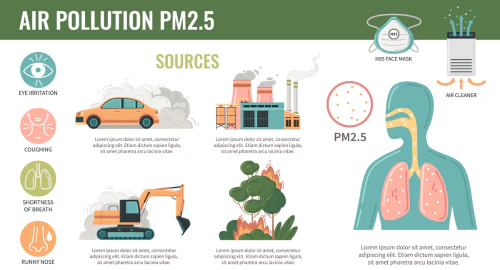
As the scientific evidence continues to mount, it’s clear that regular exercise has numerous benefits for our mental and physical health. Exercise improves mood, enhances memory, and even reduces the risk of developing conditions like diabetes and metabolic disorders. However, a recent study suggests that exercising in urban areas may have unintended consequences – specifically, reducing the positive effects of physical activity.
So, what’s behind this seeming paradox? Simply put, exercise increases metabolism and makes our breathing more efficient. This means we take in more air, but also absorb all the pollutants it contains. Urban smog is hardly a new phenomenon, but for athletes and pedestrians alike, avoiding polluted air is crucial.
But how can we avoid this smog when we need to get moving? The answer lies not just in our physical surroundings but also in our behavior.
The Hidden Dangers of Urban Smog
Urban smog is notorious for making breathing more difficult. When air quality is poor, people may experience shortness of breath, tight chest pain, and eye irritation – symptoms that can be uncomfortable at best, and potentially life-threatening at worst. Prolonged exposure to polluted air can increase the risk of developing cardiovascular and respiratory diseases.
So, what’s a person to do? While we can’t avoid exercise entirely (after all, physical activity is essential for our health), we can take steps to minimize our exposure to urban smog.
Navigating Urban Environments with Ease
To reduce our exposure to polluted air, we need to be mindful of where and when we exercise. Here are some tips:
- Avoid traffic zones: Steer clear of roads that are notorious for congestion – these areas tend to have higher levels of pollutants.
- Opt for secondary roads: Whenever possible, choose quieter roads or bike paths instead.
- Embrace green spaces: Parks and other green areas tend to be cleaner than urban environments. Look for spots with plenty of trees and vegetation.
Timing is Everything
By avoiding peak hours (usually 7-9 am and 4-6 pm) and opting for early morning or late evening exercise, we can minimize our exposure to traffic-related pollutants.
- Morning magic: Exercising between 6 am and 10 am can be a great way to avoid the worst of urban smog. The air is generally cleaner during these hours, thanks to reduced traffic volume.
- Avoid peak sun hours: When it’s hot outside (usually between 11 am and 3 pm), we tend to produce more pollutants from our vehicles.
The Power of Ventilation
When possible, try exercising outdoors on days with plenty of wind. This can help disperse pollutants, making the air feel fresher and cleaner.
- Wind in your favor: Exercising during windy conditions can be a great way to reduce exposure to urban smog. The wind helps carry pollutants away from our faces and bodies.
Masking the Risks
Finally, consider using a mask designed to filter out particulate matter (PM) – specifically, an FFP2 mask with an efficiency rating of 92% or higher.
- Choose wisely: There are many different types of masks available, each with varying levels of filtration. Be sure to choose one that meets the EN 149 standard for respiratory protection.
- Don’t overdo it: While a mask can provide some protection, it’s not a substitute for avoiding polluted air altogether.
Preventing Smog from Forming
By taking proactive steps, we can help prevent smog from forming in the first place. Here are some tips:
- Monitor pollution levels: Check local air quality indexes to see if there are any areas with high pollution levels.
- Report pollution sources: Inform your community leaders about pollution sources, such as industrial sites or vehicle emissions.
- Support clean energy initiatives: Advocate for policies that promote the use of clean energy sources.
Conclusion
While urban smog presents several challenges, there are steps we can take to minimize our exposure and enjoy the benefits of exercise. By choosing the right routes, timing our workouts carefully, embracing green spaces, and taking advantage of natural ventilation, we can breathe easy – even in the midst of a bustling city.
In addition, by preventing smog from forming and advocating for cleaner air policies, we can create healthier environments for ourselves and future generations.
Additional Tips
- Use online resources: Websites like AirNow.gov provide real-time information on air quality indexes.
- Stay informed: Follow local news sources to stay up-to-date on pollution levels and any measures being taken to improve air quality.
- Exercise with a buddy: Exercising with someone can help distract from the symptoms of smog, making it easier to enjoy your workout.


