
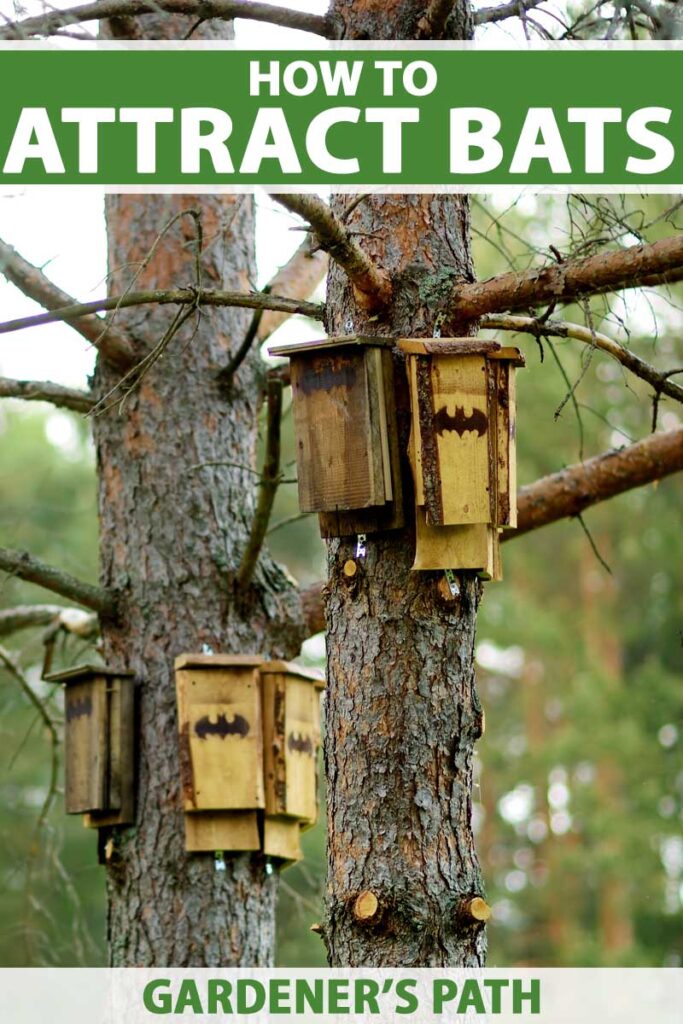
As we go about our daily lives, there’s a tiny creature that’s often overlooked but plays a vital role in maintaining the balance of nature – the bat. These winged mammals are more than just mere insects; they’re actually a crucial part of controlling pest populations, pollinating plants, and even protecting crops from damage.
Why Bats Are Our Best Allies
Bats (scientifically known as chiropters) represent an order of mammals that’s uniquely adapted to fly. With over 1,300 species, bats can be found on every continent except Antarctica, making them one of the most widespread groups of mammals on the planet.
Their incredible adaptability has allowed bats to thrive in a wide range of habitats, from deserts to rainforests. In fact, bats have even been known to colonize urban areas, where they play a vital role in controlling pest populations and maintaining ecosystem balance.
The Importance of Bats in Agriculture
Bats are often referred to as the “unsung heroes” of agriculture. By consuming vast numbers of insects, including those that can damage crops, bats help reduce the need for pesticides and maintain crop yields. In fact, studies have shown that a single bat can eat up to 1,200 mosquitoes, moths, and beetles per hour!
Some of the most significant benefits of having bats in your garden include:
- Controlling pest populations: Bats feed on insects that can damage crops, such as moths, beetles, and caterpillars.
- Reducing pesticide use: By controlling pest populations naturally, bats help reduce the need for pesticides, which can harm beneficial insects and contaminate soil and water.
- Promoting ecosystem balance: Bats play a vital role in maintaining ecosystem balance by pollinating plants and dispersing seeds.
How to Attract Bats to Your Garden
Attracting bats to your garden is easier than you think. Here are some tips to get started:
Planting Bat-Friendly Plants
Some plants are more attractive to bats than others. These include:
- Caprifoglio (Lonicera): This evergreen shrub produces fragrant flowers that attract bats.
- Oenothera: Also known as evening primrose, this annual or biennial plant is a favorite of bats.
- Phlox: This perennial flower is attractive to bats and other pollinators.
Providing Bat Boxes
Bat boxes are artificial cavities designed to attract bats. These can be installed in trees or on buildings, providing bats with a safe place to roost.
Here are some tips for installing bat boxes:
- Choose a location that receives direct sunlight.
- Install the box at least 10 feet off the ground to protect it from predators.
- Face the box east or southeast to capture morning sun.
Creating a Bat-Friendly Environment
In addition to planting bat-friendly plants and providing bat boxes, there are several other ways to create a bat-friendly environment:
- Provide food: Bats feed on insects, so consider creating a bug hotel or insect feeder.
- Avoid using pesticides: These can harm bats and other beneficial insects.
- Create a roosting site: Bats need a safe place to roost at night. Consider installing a bat box or providing a tree with a hollow cavity.
Bat Conservation Efforts
There are many organizations and initiatives working to protect bat populations and habitats around the world. Some examples include:
- The Bat Conservation Trust (UK)
- The International Union for Conservation of Nature (IUCN) – Bats Specialist Group
- The World Wildlife Fund (WWF) – Bat Conservation Program
Conclusion
Bats are incredible creatures that play a vital role in maintaining ecosystem balance. By attracting bats to your garden, you can help reduce pesticide use, promote pollination, and maintain healthy crops. With the right plants, bat boxes, and habitat design, you can create a welcoming environment for these winged mammals.
Frequently Asked Questions
Q: How do I know if my garden is bat-friendly?
A: Look for signs of bats in your garden, such as guano (bat droppings) or the presence of bat boxes. If you don’t see any signs of bats, consider installing a bat box or providing bat-friendly plants.
Q: Can I attract bats to my balcony?
A: Yes! Bats can thrive on balconies with the right environment. Consider installing a bat box and providing bat-friendly plants.
Q: Are all bats beneficial?
A: No, some bats are more beneficial than others. The most significant benefits of having bats come from species that feed on insects, such as moths, beetles, and caterpillars.
Q: Can I use pesticides to control pests in my garden if I have bats?
A: No, it’s best to avoid using pesticides altogether. Instead, consider using natural methods to control pests, such as introducing beneficial insects or using physical barriers.
Q: How can I protect bat boxes from predators?
A: Install the box at least 10 feet off the ground and face it east or southeast to capture morning sun. Avoid installing the box in areas with high predator activity.
Q: Can I install multiple bat boxes on my property?
A: Yes! Installing multiple bat boxes can increase the chances of attracting bats to your garden. Just be sure to follow local regulations and guidelines for bat conservation.
Bat-Related Facts and Figures
- There are over 1,300 species of bats worldwide.
- Bats are responsible for pollinating around 500 plant species.
- A single bat can eat up to 1,200 mosquitoes, moths, and beetles per hour!
- Bat guano (excrement) is a valuable fertilizer, rich in nitrogen and phosphorus.
Conclusion
Bats are incredible creatures that play a vital role in maintaining ecosystem balance. By attracting bats to your garden, you can help reduce pesticide use, promote pollination, and maintain healthy crops. With the right plants, bat boxes, and habitat design, you can create a welcoming environment for these winged mammals.
Additional Resources
- National Geographic – Bats
- Bat Conservation International (BCI)


