
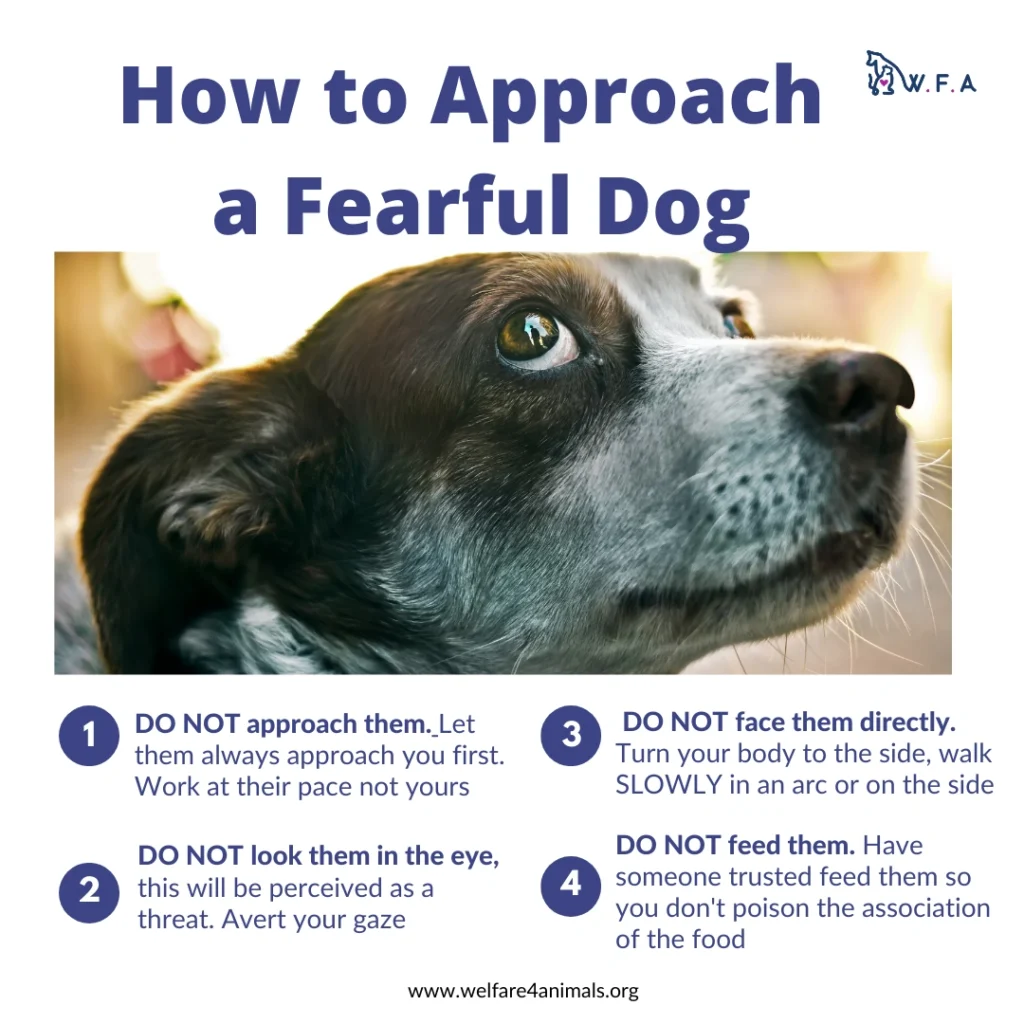
Approaching a Frightened Dog: A Guide to Gentle Interaction
As pet owners, we often find ourselves in situations where we need to approach a dog that appears frightened or fearful. Whether it’s on the street or at home, our goal is to calm the dog down and establish trust without putting ourselves or others at risk. In this article, we’ll explore the best ways to approach a frightened dog, using body language, vocal cues, and patience.
Understanding Canine Body Language
Before we dive into the tips, it’s essential to understand canine body language. Dogs communicate primarily through non-verbal cues, such as posture, facial expressions, and tail positions. By recognizing these signals, we can better determine whether a dog is feeling threatened or scared.
Body Language Signs of Fear or Anxiety in Dogs
Dogs often display specific body language signs when they’re feeling frightened or anxious. These include:
- Ears laid back or held low
- Tail tucked between the legs
- Avoiding eye contact
- Panting or yawning
- Licking or chewing at their paws
- Stiffening or tensing of the body
Recognizing these signs will help you determine whether a dog is feeling fearful and allow you to adjust your approach accordingly.
Approaching a Frightened Dog: Techniques for Success
When approaching a frightened dog, follow these gentle techniques:
- Use Slow and Fluid Movements
Avoid sudden movements, which can startle the dog further. Instead, move slowly and deliberately, giving the dog time to adjust to your presence.
- Speak in a Soothing Tone
When speaking to a frightened dog, use a gentle and soothing tone of voice. Avoid loud or high-pitched sounds, which can exacerbate the dog’s anxiety.
- Allow the Dog to Approach You
Let the dog approach you on their own terms. This will help them feel more in control and reduce stress. If they initiate contact, reward them with praise and treats.
- Monitor Body Language
Pay close attention to the dog’s body language. If they’re tense, avoiding eye contact, or displaying other signs of fear (such as panting, yawning, or licking), it’s essential to slow down your approach and give them space.
- Recognize Warning Signs
Be aware of warning signs that may indicate a frightened dog is about to become aggressive. These include:
- A low, growling tone
- Stiffening or tensing of the body
- Direct eye contact
- Showing the teeth
If you notice any of these signs, it’s best to back off and give the dog space.
Approaching a Frightened Dog at Home
When dealing with a frightened dog in a home setting, follow these additional tips:
- Stay Calm and Patient
Maintain your composure, even if the dog becomes agitated. Avoid yelling or punishing the dog, as this can exacerbate their anxiety.
- Provide a Safe Space
Create a quiet, comfortable space for the dog to retreat to when feeling overwhelmed. This could be a crate or a designated “safe zone” in your home.
- Use Positive Reinforcement
Reward the dog with treats, praise, and affection when they exhibit calm behavior. This will help them associate positive outcomes with relaxation.
- Desensitize Your Dog to Triggers
If your dog’s fear is triggered by specific stimuli (such as loud noises or strangers), try desensitizing them to these triggers in a gradual and controlled manner.
Conclusion
Approaching a frightened dog requires patience, understanding, and gentle interaction. By recognizing canine body language, using soothing vocal cues, and providing a safe space, you can help your furry friend feel more comfortable and secure. Remember to stay calm and patient, even when dealing with challenging situations, and always prioritize the dog’s emotional well-being.
Frequently Asked Questions
-
What is the best way to approach a frightened dog?
Approach slowly and deliberately, using gentle body language and soothing vocal cues.
-
How can I help my dog feel more secure in a new environment?
Provide a familiar comfort object or toy, create a quiet space for relaxation, and gradually introduce new stimuli.
-
Can I leave my dog alone when they’re feeling frightened?
No, it’s essential to provide a safe space and maintain close supervision until your dog feels more calm and secure.
-
How long does it take for a dog to recover from fear or anxiety?
Recovery time varies depending on the individual dog and circumstances. Be patient and consistent in your approach.
-
What are some common triggers that can cause a dog’s fear or anxiety?
Loud noises, strangers, new environments, and other stimuli can trigger fear or anxiety in dogs.
-
Can I use medication to help my dog overcome fear or anxiety?
Consult with your veterinarian before administering any medication to address fear or anxiety issues in dogs.


