
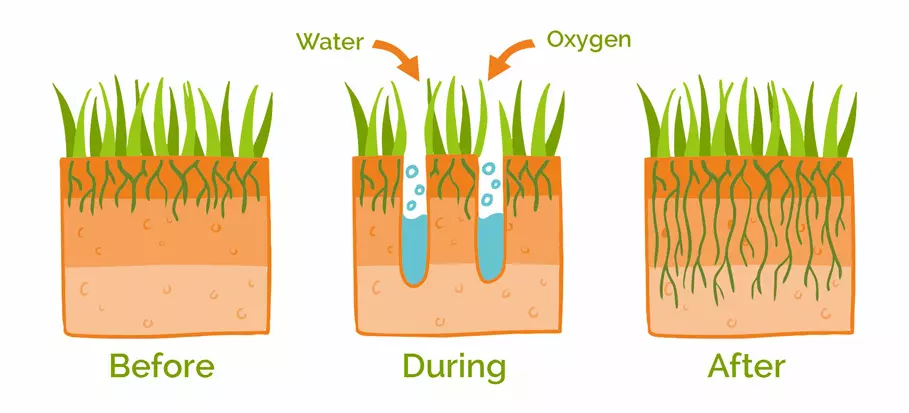
As a homeowner or gardener, maintaining a healthy and lush lawn can be a daunting task. One crucial aspect of lawn care that is often overlooked is aerating your lawn. Aerating is the process of removing small plugs of soil to improve air circulation, reduce soil compaction, and promote healthy root growth.
In this article, we will delve into the world of lawn aerating, exploring its benefits, methods, and tips for achieving a well-manicured lawn.
Why Aerating Your Lawn Matters
Aerating your lawn is essential for several reasons:
- Improves air circulation: By removing soil plugs, you allow air to penetrate the soil more easily, promoting healthy root growth and reducing the risk of fungal diseases.
- Reduces soil compaction: Compacted soil can prevent water from penetrating deeply into the soil, leading to shallow roots and poor drainage. Aerating helps to loosen compacted soil, allowing water to reach the roots more efficiently.
- Promotes healthy root growth: By improving air circulation and reducing soil compaction, aerating creates an environment conducive to healthy root growth, which is essential for a lush and vibrant lawn.
When to Aerate Your Lawn
The best time to aerate your lawn depends on your location and climate. In general, it’s recommended to aerate in the spring or fall when the grass is actively growing.
- Spring: Aerating in the spring allows the soil to recover from winter dormancy, promoting healthy root growth and reducing the risk of disease.
- Fall: Aerating in the fall prepares the lawn for the next growing season, helping to prevent soil compaction and promote healthy root growth.
Methods of Aerating Your Lawn
There are several methods of aerating your lawn, including:
- Manual aeration: This involves using a handheld tool or rake to remove small plugs of soil.
- Mechanical aeration: This involves using a machine that removes larger plugs of soil and can be more effective for larger lawns.
- Power raking: This involves using a power tool with rotating blades to loosen and aerate the soil.
Tips for Effective Aerating
Here are some tips for effective aerating:
- Choose the right tool: Select a tool that is suitable for your lawn size and type. Manual tools may be sufficient for small lawns, while mechanical machines are better suited for larger areas.
- Aerate at the right depth: The ideal depth for aeration varies depending on the type of grass and soil. Generally, it’s recommended to aerate between 1-2 inches deep.
- Leave the plugs intact: Leaving the plugs intact allows the soil to heal quickly and reduces the risk of erosion.
- Fertilize after aeration: Aerating can cause the lawn to become nutrient-deficient. Fertilizing after aeration will help to replenish the nutrients in the soil.
Frequently Asked Questions
Here are some frequently asked questions about aerating your lawn:
- How often should I aerate my lawn?
- The frequency of aeration depends on the type of grass and soil. Generally, it’s recommended to aerate every 2-3 years for most lawns.
- What is the best time of year to aerate my lawn?
- The best time to aerate your lawn depends on your location and climate. In general, it’s recommended to aerate in the spring or fall when the grass is actively growing.
- How do I prevent soil compaction after aeration?
- Preventing soil compaction after aeration involves creating an environment that promotes healthy root growth. This can be achieved by adding organic matter, reducing soil density, and improving drainage.
Benefits of Aerating Your Lawn
Aerating your lawn has several benefits, including:
- Improved drainage: Aerating allows water to penetrate the soil more easily, reducing the risk of waterlogging and other drainage problems.
- Reduced thatch: Aerating helps to remove dead grass and debris, reducing the amount of thatch in the lawn.
- Increased fertilizer absorption: By improving air circulation and reducing soil compaction, aerating allows fertilizers to penetrate more deeply into the soil.
Common Lawn Aerating Mistakes
Here are some common mistakes to avoid when aerating your lawn:
- Aerating too frequently: Over-aerating can damage the grass and lead to nutrient deficiencies.
- Not leaving plugs intact: Leaving plugs intact is essential for allowing the soil to heal quickly and reducing erosion.
- Using the wrong tool: Using a tool that is not suitable for your lawn size and type can be ineffective or even damaging.
Conclusion
Aerating your lawn is an essential part of maintaining a healthy and lush lawn. By understanding the benefits, methods, and tips for aerating, you can create a well-manicured lawn that provides years of enjoyment for you and your family. Remember to choose the right tool, aerate at the right depth, and leave plugs intact to ensure effective and efficient aeration.
Additional Resources
Here are some additional resources for learning more about aerating your lawn:
- Lawn care websites: Websites like The Spruce, Gardening Know How, and Lawn Care Magazine offer comprehensive guides and tips on lawn care, including aerating.
- Local nurseries: Local nurseries often provide expert advice and guidance on lawn care, including aerating.
- Professional landscapers: Professional landscapers can provide customized aeration recommendations based on your specific lawn needs.
By taking the time to understand the benefits and methods of aerating, you can create a lush and vibrant lawn that will provide years of enjoyment for you and your family.


