
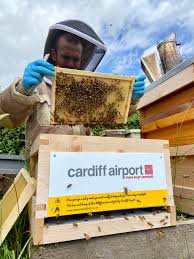
Bees are one of the most important and useful insects in the ecosystem and for humans. However, changes in climate are putting their survival at risk, making it essential for us to intervene on a social, global, local, and individual level.
In this article, we will explore how you can help bees and beekeepers in Italy. We’ll also introduce you to a startup called 3Bee, which is dedicated to preserving bees and improving their quality of life.
Why Bees are Essential
Bees play a crucial role in pollination, which is necessary for producing over 70% of the food we eat every day. Without them, many fruits and vegetables would disappear. Some examples include apples, pears, castles, citrus fruits, plums, peaches, apricots, grapes, melons, pistachios, zucchini, carrots, cabbage, onions, and garlic.
Bees are also responsible for maintaining the health of ecosystems by pollinating flowers, which helps to maintain biodiversity. In fact, almost 90% of all plant species rely on bee pollination to reproduce and disperse seeds. The loss of bees could have catastrophic consequences for the environment and human societies.
The Importance of Biodiversity
Biodiversity refers to the richness and variety of plants, animals, microorganisms, fungi, agents, and other living organisms on our planet. Bees and other pollinators are essential for maintaining ecosystem balance and preserving biodiversity.
In fact, the loss of bees could lead to a significant decline in biodiversity, with potentially devastating consequences for ecosystems and human societies. The preservation of bee populations is crucial for maintaining healthy ecosystems and supporting biodiversity.
The Threats Facing Bees
Bees are facing numerous threats, including:
- Climate change: Changes in temperature and precipitation patterns are disrupting the delicate balance of ecosystems and making it difficult for bees to adapt.
- Habitat destruction: The loss of natural habitats and the degradation of existing ones are reducing the availability of food and shelter for bees.
- Pesticide use: The use of pesticides can harm bees directly or indirectly by contaminating their food sources and disrupting their behavior.
- Diseases and parasites: Bees are susceptible to various diseases and parasites, which can have a significant impact on their populations.
These threats are causing bee populations to decline dramatically. In fact, over 30% of Italy’s bees have disappeared in recent years.
The Role of Beekeepers
Beekeepers play a vital role in maintaining healthy bee populations. They provide essential care and support for their bees, including feeding them sugar water, monitoring their health, and protecting them from pests.
However, beekeeping is becoming increasingly difficult due to factors such as climate change, pesticide use, and habitat destruction. Beekeepers are struggling to manage their apiaries effectively, which can lead to a decline in bee populations.
How You Can Help
There are several ways you can help bees and beekeepers:
- Adopt a beehive: Consider adopting a beehive through organizations like 3Bee. This will not only support local beekeepers but also provide you with fresh, high-quality honey.
- Reduce pesticide use: Pesticides can harm bees directly or indirectly by contaminating their food sources and disrupting their behavior. By reducing your use of these chemicals, you can help protect the environment and promote healthy ecosystems.
- Plant bee-friendly flowers: Planting flowers that are rich in nectar and pollen can provide a vital source of food for bees. Some examples include sunflowers, lavender, coneflowers, black-eyed Susans, and cosmos.
- Support sustainable agriculture: Choose to buy products from farmers who use sustainable agricultural practices. This will help reduce your carbon footprint and support the health of local ecosystems.
Conclusion
Bees play a crucial role in maintaining healthy ecosystems and supporting human societies. However, they are facing numerous threats due to climate change, habitat destruction, pesticide use, diseases, and parasites.
By adopting a beehive, reducing pesticide use, planting bee-friendly flowers, and supporting sustainable agriculture, you can help promote the health of bees and the environment.
So what are you waiting for? Get involved today and make a difference for the future of our planet!
Frequently Asked Questions (FAQs)
- What is 3Bee?
3Bee is a startup agri-tech company that aims to preserve bee populations and improve their quality of life. They have developed a revolutionary new way of monitoring beehives using IoT sensors. - How can I adopt a beehive through 3Bee?
Visit the 3Bee website and sign up for their program “Adotta un alveare 3Bee” to learn more about adopting a beehive and how you can support local beekeepers. - What types of bees are being protected by 3Bee?
3Bee is working to protect a wide range of bee species, including Italian honey bees and bumblebees. - How do I get involved with 3Bee’s “Pollinate the Planet” program?
Visit the 3Bee website and learn more about their CSR initiatives, which include “Pollinate the Planet.” - Can I buy 3Bee honey directly from them?
Yes, you can purchase 3Bee honey directly from their website or through authorized retailers. - How do I support sustainable agriculture practices?
Choose to buy products from farmers who use sustainable agricultural practices. You can also look for certifications like “Organic” and “Regenerative Agriculture.” - What are some bee-friendly flowers that I can plant in my garden?
Some examples of bee-friendly flowers include sunflowers, lavender, coneflowers, black-eyed Susans, and cosmos. - How do I reduce pesticide use in my home and garden?
Use natural methods to control pests, such as introducing beneficial insects or using physical barriers. You can also choose organic produce and cleaning products. - What are some ways that climate change is affecting bee populations?
Climate change is altering the availability of food resources for bees, disrupting their habitats, and increasing the spread of diseases.
Additional Resources
If you’re interested in learning more about bees and how to help them thrive, here are some additional resources:
- The Bee Conservancy: A non-profit organization dedicated to preserving bee populations and promoting sustainable agriculture practices.
- The Xerces Society: A non-profit organization that works to protect pollinators and promote sustainable agriculture practices.
- The National Institute of Food and Agriculture (NIFA): A government agency that provides funding for research on sustainable agriculture practices and pollinator health.
By supporting these organizations and making conscious choices in our daily lives, we can help promote the health of bees and the environment.


