
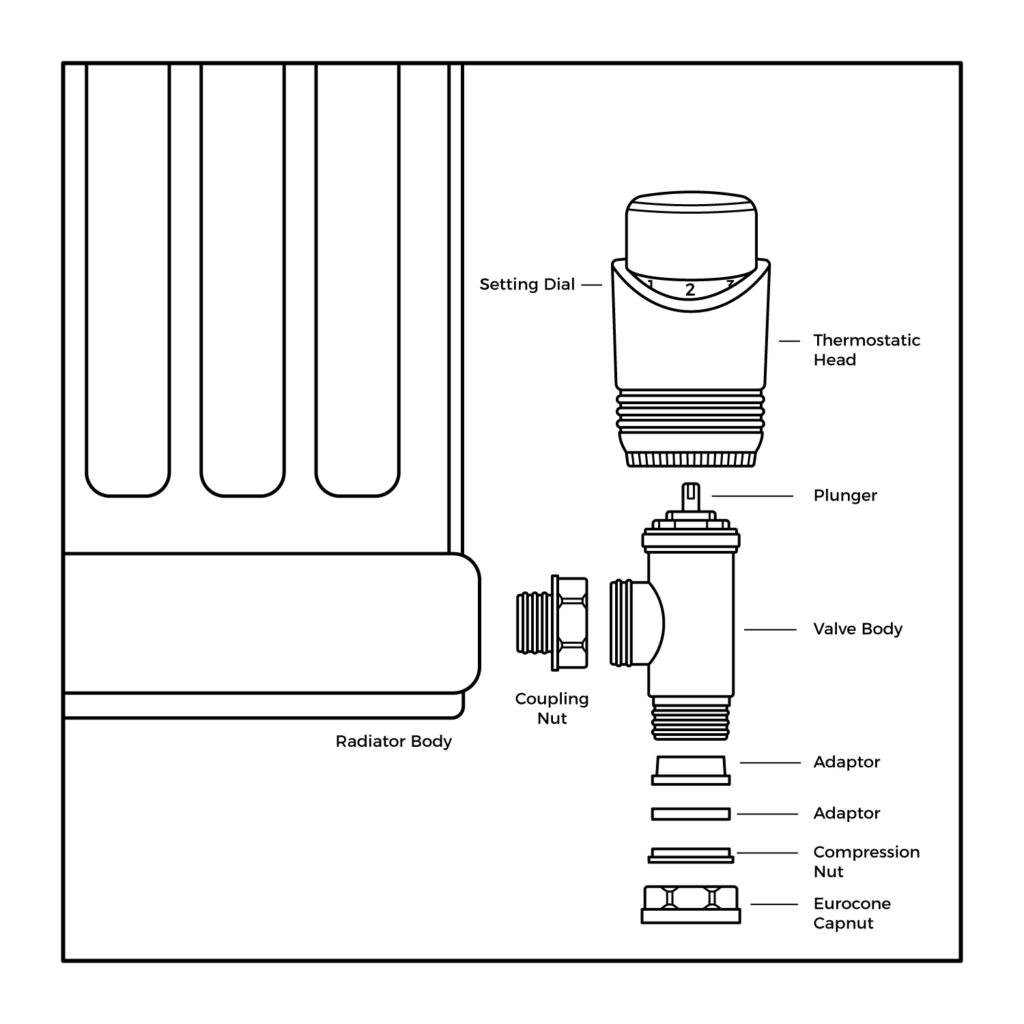
Understanding Thermostatic Valves and Their Importance
Thermostatic valves are essential components of your home’s heating system, responsible for regulating the temperature by controlling the flow of hot water. Properly adjusting these valves is crucial to maintaining a comfortable temperature without wasting energy.
In our previous article, “How Thermostatic Valves Work,” we explained the basic functioning of thermostatic valves and their role in managing heat distribution. Here, we’ll focus on how to correctly adjust them for optimal performance and comfort.
What Are Thermostatic Valves Used For?
Thermostatic valves are used to regulate the temperature in your home by controlling the amount of hot water flowing through the heating system. The valve’s position is crucial in determining the desired temperature, ensuring that the heat is distributed evenly throughout the house without excessive energy consumption.
How to Adjust Thermostatic Valves for Optimal Performance
To adjust thermostatic valves correctly, you need to understand how they work and the factors influencing their performance. Here are some key points to consider:
- The valve’s position affects the temperature reading, with each position corresponding to a specific temperature.
- The type of thermostat used can impact the response time and overall efficiency of the system.
- Different types of thermostats, such as those using wax or liquid sensors, have varying response times and accuracy.
Temperature Settings for Thermostatic Valves
Here are some general guidelines for setting the thermostat on popular models:
- For a T2000 model, set the temperature to 2.4 when it’s around 19°C outside.
- For a T1000 model, set the temperature to 3.7 when it’s around 19°C outside.
Additional Tips and Considerations
Here are some additional tips for optimizing your thermostatic valve:
- Adjust the temperature settings based on the time of day: For example, you can lower the temperature at night (around 20°C) and raise it during the day (around 22°C).
- Consider using a smart thermostat: Smart thermostats can learn your schedule and preferences to optimize your heating system’s performance.
- Maintain your thermostatic valve regularly: Regular maintenance ensures that your valve is working efficiently and accurately.
Troubleshooting Common Issues with Thermostatic Valves
If you encounter any issues with your thermostatic valve, here are some common problems and their solutions:
- The valve is not responding to temperature changes: Check the thermostat’s accuracy and ensure it’s properly connected to the heating system.
- The temperature reading is inaccurate: Verify that the thermometer is calibrated correctly and consider replacing it if necessary.
Optimizing Your Home’s Temperature for Maximum Comfort
To optimize your home’s temperature with thermostatic valves, follow these steps:
- Determine your ideal temperature range: Based on your personal preferences and lifestyle, decide on a comfortable temperature range for your home.
- Set the thermostat accordingly: Adjust the thermostat to match your desired temperature range, taking into account factors like insulation, windows, and outdoor temperatures.
- Consider using zoning systems: If you have multiple rooms or areas with different heating needs, consider installing a zoning system to optimize heat distribution.
By following these guidelines, you can optimize your home’s temperature with thermostatic valves, ensuring a comfortable living space without excessive energy consumption.
Benefits of Optimizing Thermostatic Valves
Optimizing your thermostat is beneficial for several reasons:
- Energy efficiency: Adjusting the thermostat correctly ensures that heat is distributed evenly and only when needed, reducing energy waste.
- Comfort: Proper temperature control creates a comfortable living environment, promoting relaxation and well-being.
- Cost savings: Optimizing your thermostat can lead to significant cost savings on heating bills.
Conclusion
Thermostatic valves are an essential component of your home’s heating system. By understanding how they work and adjusting them correctly, you can optimize your home’s temperature for maximum comfort without excessive energy consumption.


