
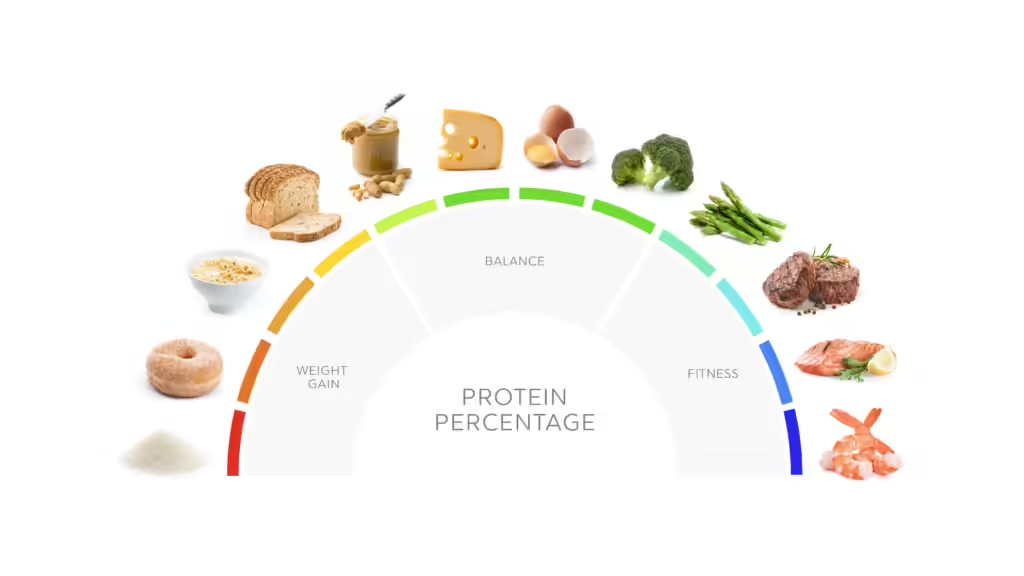
As we navigate the complex world of weight loss, it’s no surprise that protein diets have become increasingly popular. But before you embark on this journey, it’s essential to understand what a protein diet is, how it works, and whether it’s truly the magic bullet for shedding those extra pounds.
What is a Protein Diet?
In simple terms, a protein diet is a high-protein, low-carbohydrate (ipocalorica) meal plan that aims to promote weight loss. However, it’s crucial to note that this type of diet is often misunderstood as being a balanced and sustainable way of eating. In reality, a protein diet typically consists of an overabundance of protein, which can lead to nutrient deficiencies and other health issues.
How Does a Protein Diet Work?
When you drastically reduce your carbohydrate intake, your body begins to burn stored fat for energy. This process is called lipolysis. However, this rapid weight loss is often followed by a slower metabolism, making it challenging to maintain weight loss over time.
Additionally, a protein diet can lead to an imbalance of essential nutrients, including vitamins, minerals, and fiber. This can cause a range of health problems, from digestive issues to weakened immune systems.
Benefits of a Protein Diet
While a protein diet may seem like a quick fix for weight loss, there are some potential benefits to consider:
- Rapid Weight Loss: A protein diet can lead to rapid weight loss in the short-term, as your body adapts to using fat for energy.
- Increased Satiety: Protein takes longer to digest than carbohydrates, which can help keep you feeling fuller for longer.
- Preserved Muscle Mass: Adequate protein intake is essential for maintaining muscle mass during weight loss.
However, these benefits come with significant drawbacks, including:
- Nutrient Deficiencies: A protein diet can lead to an imbalance of essential nutrients, causing a range of health problems.
- Increased Risk of Chronic Diseases: A diet high in protein and low in carbohydrates has been linked to an increased risk of chronic diseases, such as heart disease and type 2 diabetes.
Risks of a Protein Diet
While a protein diet may seem like a harmless way to shed a few pounds, there are significant risks associated with this type of diet:
- Dehydration: A high-protein diet can lead to dehydration, particularly if you’re not consuming enough water.
- Kidney Strain: Excessive protein intake can put a strain on your kidneys, potentially leading to kidney damage or disease.
- Nutrient Deficiencies: A protein diet can lead to an imbalance of essential nutrients, causing a range of health problems.
Reintegrating Carbohydrates after a Protein Diet
When it comes time to reintegrate carbohydrates into your diet, focus on choosing high-quality options:
- Complex Carbohydrates: Choose whole, unprocessed foods like fruits, vegetables, and whole grains.
- Whole Grains: Whole grains like brown rice, quinoa, and whole-wheat bread provide sustained energy and fiber.
- Legumes: Legumes like beans, lentils, and peas are rich in protein, fiber, and essential nutrients.
The Benefits of Balanced Meal Planning
While a high-protein diet may seem appealing, there are benefits to incorporating more balanced meal planning into your routine. Here are some key points to consider:
- Increased Nutrient Diversity: Eating a variety of foods ensures you’re getting all the necessary vitamins, minerals, and other essential nutrients.
- Improved Digestion: A well-rounded diet can help regulate digestion and reduce symptoms like bloating and gas.
- Better Overall Health: A balanced meal plan can contribute to improved overall health and well-being.
Common Myths Surrounding Protein Diets
There are several myths surrounding protein diets that it’s essential to be aware of:
-
Myth: All High-Protein Diets Are Healthy
Reality: While some high-protein diets may be healthy, others can lead to nutrient deficiencies and other health problems.
2. Myth: You Can Lose Weight on a Protein Diet AloneReality: While a protein diet can lead to rapid weight loss in the short-term, it’s unlikely to result in sustainable weight loss without combining it with regular exercise and other healthy habits.
3. Myth: All Protein Diets Are SustainableReality: Some high-protein diets may be restrictive and unsustainable, leading to feelings of deprivation and frustration.
Tips for Maintaining a Balanced Diet
To ensure you’re getting the nutrients your body needs, here are some tips for maintaining a balanced diet:
- Focus on Whole Foods: Prioritize whole, unprocessed foods like fruits, vegetables, whole grains, and lean proteins.
- Eat a Variety of Foods: Include a range of different foods in your diet to ensure you’re getting all the necessary nutrients.
- Be Mindful of Portion Sizes: Pay attention to serving sizes and control your portions to maintain a healthy weight.
The Bottom Line
While a protein diet may seem like a quick fix for weight loss, it’s essential to consider the potential risks and drawbacks. Instead of relying on a restrictive diet, focus on creating a balanced and sustainable eating plan that includes a variety of whole foods. By doing so, you’ll be more likely to achieve long-term weight loss success and maintain overall health and well-being.
Frequently Asked Questions (FAQs)
-
Is a protein diet suitable for everyone?
No, a protein diet is not suitable for everyone. Certain individuals, such as those with kidney disease or other health conditions, should avoid high-protein diets altogether.
2. Can I lose weight on a protein diet alone?While a protein diet can lead to rapid weight loss in the short-term, it’s unlikely to result in sustainable weight loss without combining it with regular exercise and other healthy habits.
3. What are some common nutrient deficiencies associated with a protein diet?Common nutrient deficiencies associated with a high-protein diet include vitamin C deficiency, iron deficiency, and fiber deficiency.
4. Can I still maintain muscle mass on a low-carbohydrate diet?While it’s possible to preserve muscle mass on a low-carbohydrate diet, it’s essential to ensure you’re consuming enough protein (about 1-1.5 grams per kilogram of body weight) and other essential nutrients.
5. What are some alternatives to a protein diet for weight loss?Alternatives to a high-protein diet include intermittent fasting, portion control, and balanced meal planning that incorporates a variety of whole foods.


