
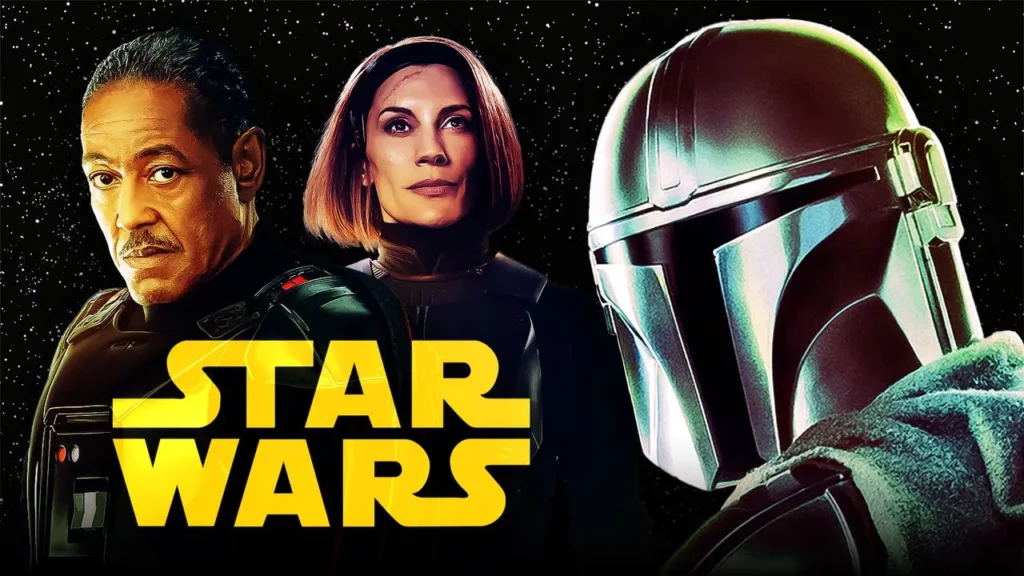
The immense universe of Star Wars has captivated audiences since the original film premiered in 1977. Over decades, this expansive galaxy has introduced us to iconic characters and unforgettable adventures. Among its latest offerings is “The Mandalorian,” a series that has not only amplified the franchise’s popularity but also breathed new life into its storytelling. But how does “The Mandalorian” remain faithful to the essence of Star Wars while bringing in fresh characters and narratives? In this article, we will explore the series’ connection to its roots, its introduction of new faces, and the adventurous spirit that makes it a vital part of the Star Wars legacy.
The Essence of Star Wars
At its core, Star Wars has always been about the age-old battle between good and evil, heroism, and the quest for identity. The tranquil yet treacherous backdrop of a galaxy far, far away invites viewers on a journey that is both fantastical and deeply human. With its universal themes and moral dilemmas, Star Wars transcends mere science fiction to explore the complexities of existence.
“The Mandalorian” encapsulates these themes while embedding them in a fresh narrative structure. The series follows the journey of a solitary bounty hunter known as Din Djarin in the aftermath of the Empire’s fall. His adventures introduce viewers to not just the remnants of familiar lore, but also new domains of the Star Wars universe that beckon to be explored.
Maintaining the Signature Star Wars Aesthetic
One of the most distinct factors that contribute to the success of “The Mandalorian” is its unwavering commitment to the visual and auditory aesthetics of Star Wars. The series adopts the iconic elements that fans have come to recognize and love: the stunning landscapes, the ethereal soundscapes, and, of course, John Williams’ resonant scores.
Creating a vivid world filled with exotic planets, atmospheric spaceships, and diverse alien species, “The Mandalorian” effectively captures the essence of the Star Wars aesthetic. The show’s use of “The Volume,” a state-of-the-art filming environment, immerses actors and audiences alike in a captivating universe. This cutting-edge technology allows for dynamic backgrounds that are seamless and engaging, serving as a tribute to the artistry of the original films.
A Hero’s Journey
In keeping with the tradition of Star Wars storytelling, “The Mandalorian” deftly incorporates the classic hero’s journey archetype. Din Djarin, or the Mandalorian, starts as a solitary figure, guided by the code of his people. His character embodies the stark yet hopeful journey from a life shackled by duty and obligation to one enriched by connection and purpose.
The Mandalorian’s adventures encapsulate a blend of comedy, action, and emotional depth. Similar to Luke Skywalker’s journey in the original trilogy, Din undergoes significant character development, discovering not only who he is but also the impact of his actions on others. His association with the enigmatic Child, popularly known as “Baby Yoda” or Grogu, anchors not just the plot, but also the emotional core of the series.
The relationship between Din and Grogu serves as a lens through which the themes of mentorship, protection, and familial bonds are amplified. This relationship resonates with audiences in a way that revolves around shared experiences of love and loss, staying true to the emotional legacies of Star Wars while presenting a fresh narrative twist.
Introducing New Faces in Familiar Territory
One of the most compelling aspects of “The Mandalorian” is its introduction of new characters while intertwining them in the broader Star Wars universe. Each episode brings a blend of new faces that add variety and depth to the storyline. Characters like Cara Dune, played by Gina Carano, and Gideon, masterfully portrayed by Giancarlo Esposito, not only contribute to the developments of Din Djarin’s journey but also expand the canvas of the Star Wars mythos.
Cara Dune stands out as a strong and complex female lead, a former Rebel shock trooper who embodies resilience and empowerment. Her character adds an exciting dynamic to the series’ themes of camaraderie and conflict.
Moreover, the inclusion of iconic figures from the Star Wars lore, such as Boba Fett and Ahsoka Tano, further bridges the old with the new. While these characters maintain their unique identities, their appearances also serve as nods to long-time fans, creating a sense of continuity that enriches the viewing experience.
The Role of Villains
Villains remain a vital component in the Star Wars narrative structure, and “The Mandalorian” does not fall short in this department. Gideon’s pursuit of Grogu taps into the classic struggle against dark forces—a hallmark of the Star Wars saga. His complex motivations and strategies add depth that invites comparisons to previous antagonists like Darth Vader and Emperor Palpatine but are framed within the context of the show’s unique storyline.
The series also introduces various antagonists, such as the fearsome Tusken Raiders and the remnants of the Empire, who challenge Din and his companions throughout their journey. These adversaries prove that the fight for good is a persistent, ongoing battle, reflecting the realities of struggles within our own lives.
[amazon box=”B08XLLF3PG”]
Expanding the Star Wars Lore
“The Mandalorian” acts as a canvas upon which the varied narratives of the Star Wars saga can be painted. Just as the prequel and sequel trilogies expanded the universe, this series adds layers to its lore in a way that is both innovative and respectful. The exploration of Mandalorian culture offers new insights and perspectives on a historically enigmatic group within the franchise.
The show delves into Mandalorian customs, codes, and struggles, illuminating the fragmentation that has occurred since the fall of the Empire. By making viewers privy to the Mandalorian way of life, “The Mandalorian” sets the stage for a deeper understanding of the struggles between legacy, duty, and personal desire—core themes that resonate deeply in the Star Wars narrative.
Adventure with a Heart
The heart of “The Mandalorian” resides in its storytelling—a blend of adventure, humor, and emotion. Each episode is structured as a self-contained journey while contributing to a larger narrative arc. This episodic framework is reminiscent of classic Westerns and serials, evoking nostalgia while maintaining engagement through its plot progression.
Adventures abound as Din Djarin travels from planet to planet, engaging in daring escapades and upholding his moral compass. Viewers are treated to gorgeous landscapes, thrilling battles, and comedic moments that reinforce the idea that destiny often arises spontaneously amidst chaos.
The Power of Nostalgia
The series comprehensively taps into nostalgia, inviting fans of all ages to revisit the joys and sorrows of the Star Wars universe. It reinvigorates long-held emotions by blending elements familiar to every Star Wars enthusiast. The use of familiar locations, spacecraft, and droids generates an emotional landscape that connects audiences with the larger saga.
The show’s subtle references to earlier films add a layer of depth that allows long-time fans to appreciate the intricacies of the franchise. By intertwining past elements with new storylines, “The Mandalorian” becomes a beautiful homage to the Star Wars legacy.
Community Engagement: Fandom and Beyond
In an age where social media reigns supreme, “The Mandalorian” has successfully cultivated a vibrant community of fans. Each episode ignites discussions and theories, at times becoming cultural phenomena in their own right. The recognition of Grogu as “The Child” led to various memes, merchandise, and fan art—demonstrating how the series captures the zeitgeist of contemporary fandom.
This expanded interaction with audiences reestablishes the spirit of Star Wars as a communal experience. It allows fans to continually engage with the narrative through discussions, events, and even celebrations, ensuring that the tales of the galaxy live on far beyond the screen.
Conclusion: The Future of Star Wars
As we explore how “The Mandalorian” remains aligned with the essence of Star Wars while introducing new adventures and faces, one thing becomes evident: its success lies in a balanced blend of homage and innovation. By staying true to the timeless battles of good versus evil and the exploration of identity, the series has honored its roots while bringing forth fresh perspectives and storytelling.
Ultimately, “The Mandalorian” is a beacon of everything Star Wars represents—courage, camaraderie, identity, and adventure. As fans eagerly anticipate future seasons and spin-offs, the series stands as a testament to the power of storytelling, proving that the Force will always connect us, no matter where our journeys take us.
Whether you’re a seasoned Jedi Master or a new initiate to this beloved galaxy, the show has crafted a further-reaching narrative that continues to inspire, challenge, and ignite the imagination. The Mandalorian has not just preserved the heart of Star Wars; it’s reinvigorated it, ensuring that the force of adventure never wanes in a galaxy that seems to expand with every heartbeat.


